Why Is It Called a Mobile Toilet
The reason mobile toilets are called 'mobile' is that they possess the core characteristics of being able to be moved as a whole and flexibly deployed, enabling them to quickly adjust their positions according to needs and provide temporary or long-term toilet services for various scenarios.
1. Overall mobility is a core feature
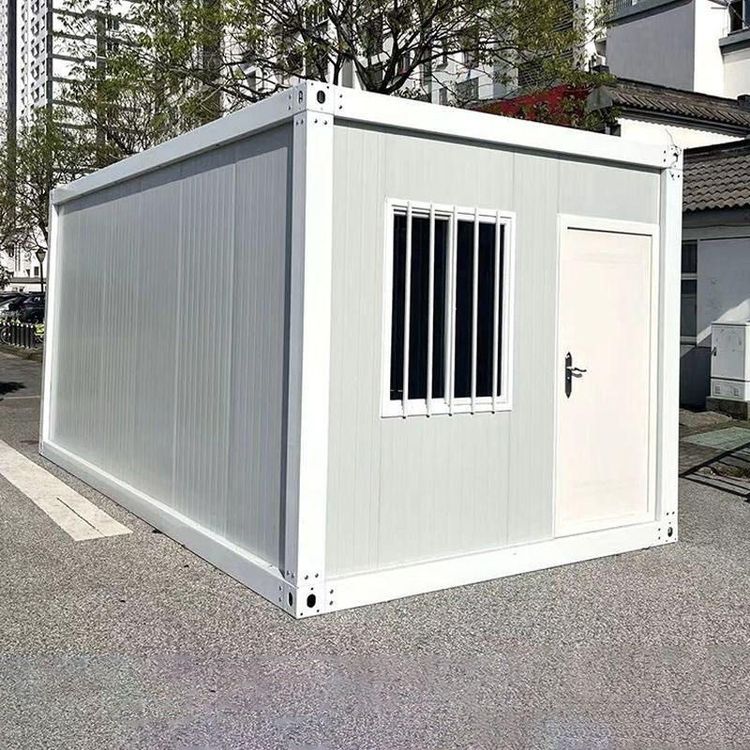
The original intention of designing mobile toilets is to break through the limitations of traditional fixed toilets. Their structures usually adopt a modular or integrated design, with wheel-mounted devices or detachable support structures at the bottom, allowing them to be transported as a whole to the target location by vehicles such as trucks or trailers. For example, at large outdoor events, construction sites, or disaster relief sites, mobile toilets can be quickly deployed and then completely removed after the event, avoiding resource waste. This characteristic of 'ready-to-use and ready-to-clear' distinguishes them from the fixed nature of traditional toilets.
2. Adapting to temporary or special scenario needs
The 'mobile' attribute of mobile toilets makes them an ideal choice for meeting temporary needs. In scenarios such as tourist attractions, music festivals, and sports events, where the number of people may surge in a short period, the capacity and distribution of fixed toilets are often insufficient to meet the demand. Mobile toilets can flexibly respond by increasing or decreasing their quantity and adjusting their positions, such as temporarily adding them near the entrance of a concert or dynamically allocating them during peak hours at transportation hubs. In addition, after natural disasters such as earthquakes or floods, when infrastructure is damaged, mobile toilets can quickly restore basic sanitation services and ensure the living needs of the affected population.
3. Combinability and transportation convenience
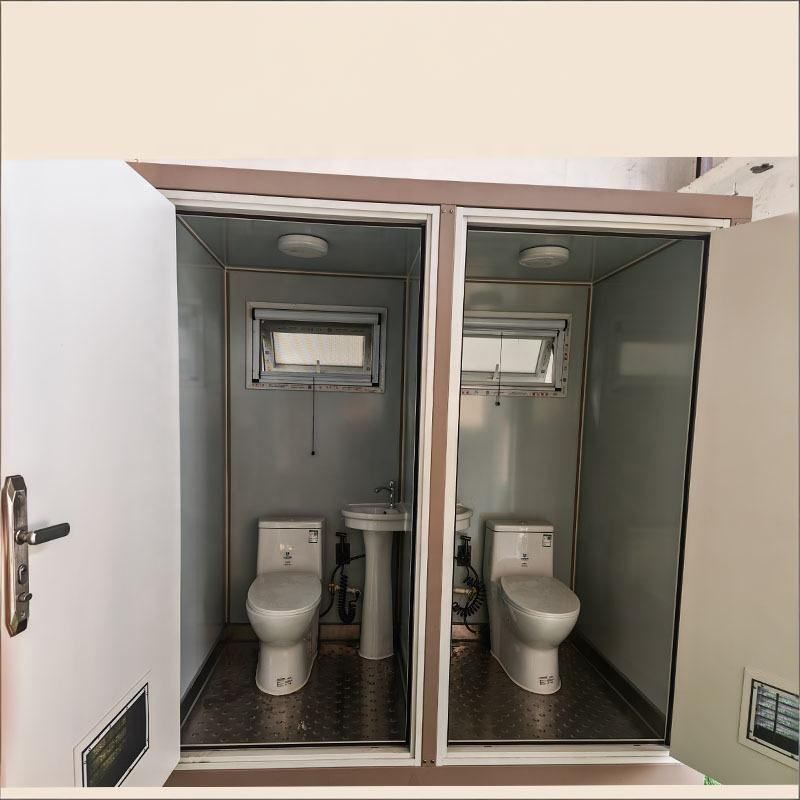
The modular design of mobile toilets supports the combination of multiple units to form larger toilet clusters. For example, a single mobile toilet can be used independently or combined with others through connecting pipes and ventilation systems to create a temporary toilet area to meet the needs of higher foot traffic. At the same time, their lightweight materials such as high-strength plastics and aluminum alloys, along with standardized dimensions, facilitate transportation. A single ordinary truck can carry multiple units, significantly reducing deployment costs. This characteristic of 'detachable and combinable, easy to transport and install' further strengthens their 'mobile' attribute.
4. Reusability and environmental advantages
Mobile toilets are not disposable facilities but can be reused multiple times. They are usually equipped with septic tanks or sewage collection systems internally, and the excreta is regularly collected and treated to avoid environmental pollution. Some high-end models also adopt water-saving technologies or biodegradation technologies to reduce water consumption and odor emissions. This sustainable design makes them more advantageous in scenarios with strict environmental requirements, such as nature reserves and eco-tourism areas, while also reducing long-term operating costs.
In conclusion, the 'mobility' of mobile toilets is not only reflected in the adjustment of their physical positions but also in their ability to flexibly adapt to diverse needs, making them an indispensable sanitation facility in modern urban management and emergency services.