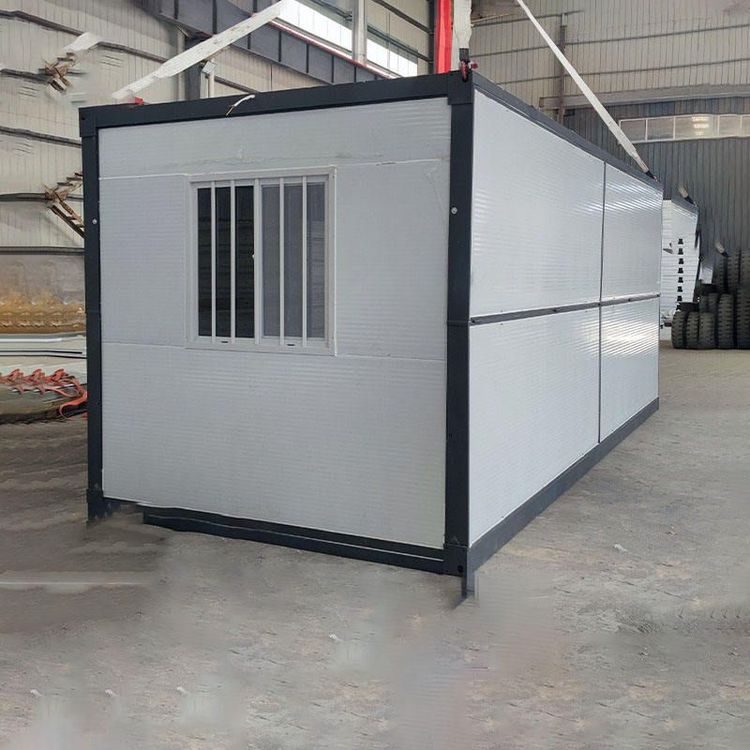
Why Container Steel House Matter: A Quick Guide
In 2026, the importance of container steel houses is reflected in multiple aspects such as economy, environment, lifestyle, and technological adaptability, becoming a key trend in the global housing market.
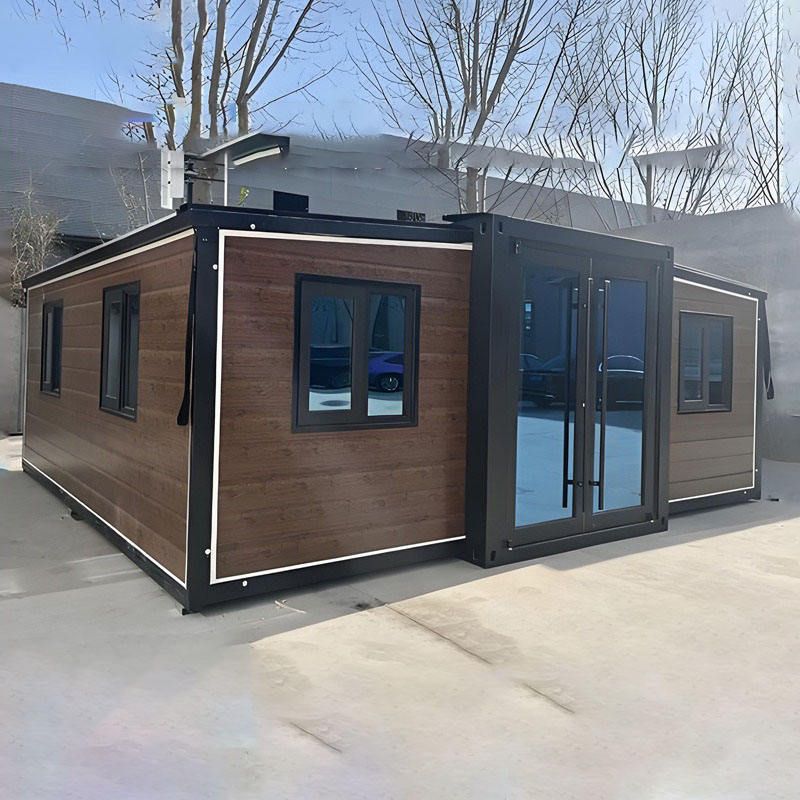
1. Economic Affordability: Alleviating Housing Pressure
Global housing price growth continues to outpace income growth, making traditional housing prohibitively expensive. Container houses, however, offer basic living spaces at extremely low initial costs (just a fraction of conventional buildings). Their modular design reduces expenses related to land, building materials, and labor, making them particularly suitable for first-time homebuyers or those with limited budgets, and serving as an effective solution to the housing affordability crisis.
2. Sustainability: Circular Economy and Low-Carbon Practices
Container houses contribute directly to reducing industrial waste by repurposing retired shipping containers, while also lowering the construction industry's 'embodied carbon' emissions. Traditional building demolitions generate 40% of global waste, whereas container renovations produce almost no construction waste, and the steel can be recycled 100%, aligning with global carbon neutrality goals.
3. Lifestyle Transformation: Flexibility and Versatility
The trends of 'minimalist living' and 'remote work' have driven demand for movable, rapidly reconfigurable living spaces. Container houses support quick reconfiguration, serving as mobile offices for remote workers, rural vacation homes, or Airbnb short-term rentals, meeting diverse lifestyle needs. Their modular nature also allows users to expand spaces as required, such as stacking containers to form multi-story residences or commercial complexes.
4. Rapid Deployment and Modular Expansion: Adapting to Diverse Scenarios
Container houses utilize standardized prefabricated components, with installation periods shortened to weeks, far less than the months or even years required for traditional construction. This feature makes them irreplaceable in emergency scenarios like post-disaster reconstruction, temporary medical facilities, or housing in remote areas. Additionally, modular design supports horizontal or vertical expansion, easily scaling from single units to communities.
5. Eco-Certification and Aesthetic Appeal: Dual Market Drivers
The 'green label' of container houses attracts environmentally conscious consumers, while their industrial aesthetic and customizable designs (such as glass facades and green roofs) cater to the pursuit of personalized beauty. On social media, the 'internet celebrity' status of such houses further drives their popularity, creating a consumer trend that combines sustainability with fashion.
6. Durability and Adaptability: Withstanding Extreme Environments
Container houses, featuring galvanized steel frames, waterproof sandwich panels, and weathering steel (Corten Steel), possess corrosion resistance, wind resistance, and earthquake resistance, enabling long-term use in harsh climates like deserts, polar regions, or coastal areas. Their structural stability far exceeds that of traditional lightweight buildings, reducing maintenance costs and extending service life.
In summary, container steel houses redefine modern living possibilities through their comprehensive advantages in economy, environment, technology, and sociocultural aspects, becoming a significant innovation direction in the housing sector by 2026.