Why Container Rental House Matter: A Quick Guide
Container rental houses are becoming increasingly important in 2026, primarily due to their economic efficiency, sustainability, lifestyle transformation, rapid deployment and modular expansion capabilities, and unique aesthetic value.

1. Economic Efficiency: Lowering the Housing Cost Threshold
Global housing price growth continues to outpace income growth, significantly reducing the affordability of traditional housing. Container houses offer an entry-level housing option at extremely low costs, with construction costs being only a fraction of those of traditional buildings. This economic efficiency is particularly suitable for young people, low-income families, or temporary housing needs, such as post-disaster reconstruction or mobile population resettlement, effectively alleviating housing pressure.
2. Sustainability: Reducing Environmental Footprint
Container houses directly reduce carbon emissions in the construction industry by reusing discarded steel. The production of traditional building materials (such as cement and bricks) accounts for nearly 11% of global carbon emissions, while container renovation avoids the extraction and processing of new materials and reduces construction waste landfill. Additionally, modular design supports future disassembly and reuse, further extending the material lifecycle and aligning with the concept of a circular economy.
3. Lifestyle Transformation: Adapting to Diverse Needs
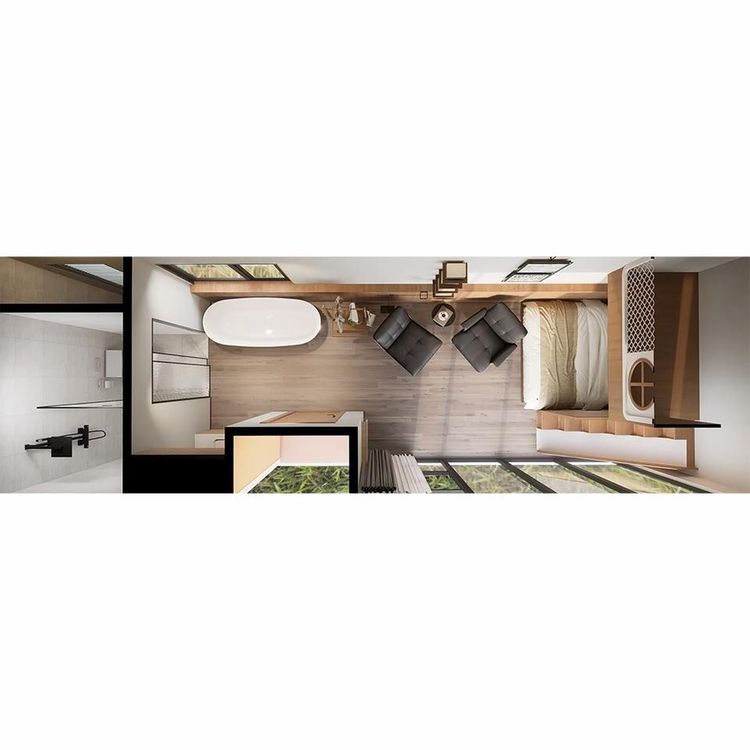
The trends of 'minimalist living' and 'remote work' are driving changes in housing demand. The small-apartment design of container houses (typically 20-40 square meters) encourages material minimalism, while their mobility meets the needs of remote workers as 'digital nomads'. Furthermore, the houses can be quickly transformed into vacation homes, mobile studios, or Airbnb short-term rentals, providing low-cost side business opportunities for entrepreneurs and flexibly responding to market changes.
4. Rapid Deployment and Modular Expansion: Meeting Emergency and Long-Term Needs
Container houses adopt a factory-prefabricated, on-site assembly model, with construction periods shortened to weeks, far less than the months or even years required for traditional buildings. This characteristic makes them ideal choices for post-disaster emergency housing, military camps, or temporary medical facilities. Simultaneously, modular design allows for spatial expansion through stacking or splicing containers, adapting to family growth or functional upgrades and reducing long-term costs.
5. Unique Aesthetics: The Fusion of Industrial Style and Modern Design
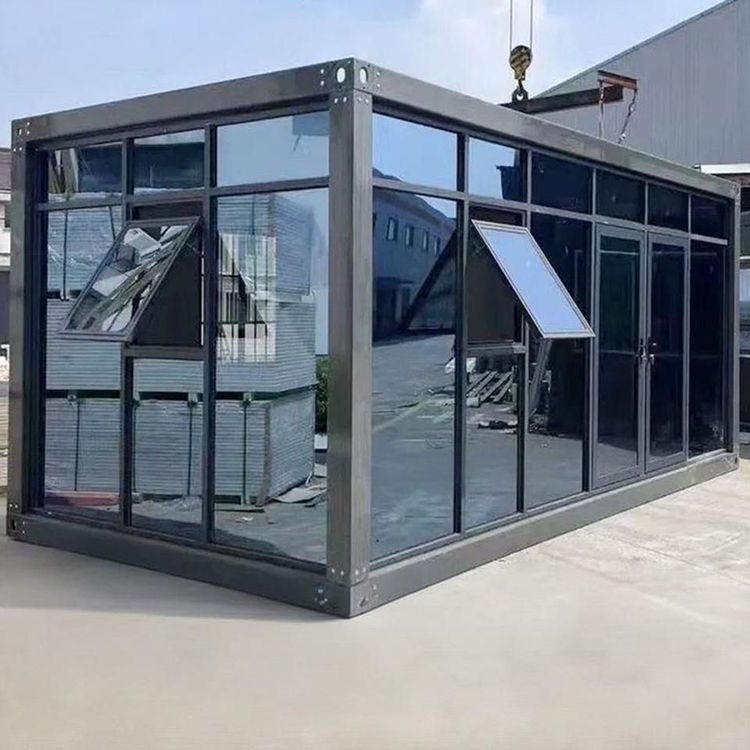
The geometric shapes and metallic textures of containers endow buildings with a distinct industrial style, which can be further enhanced with modern elements through glass curtain walls, wooden decorations, or color coatings. This design not only attracts young people seeking personalization but also becomes a popular choice for commercial spaces (such as cafes and art studios), enhancing regional cultural vitality.