
Who Bears the Cost of Prefabricated Housing
The responsibility for bearing the costs of prefabricated housing depends on the specific circumstances and may be borne by the government, individuals, or a combination of both.
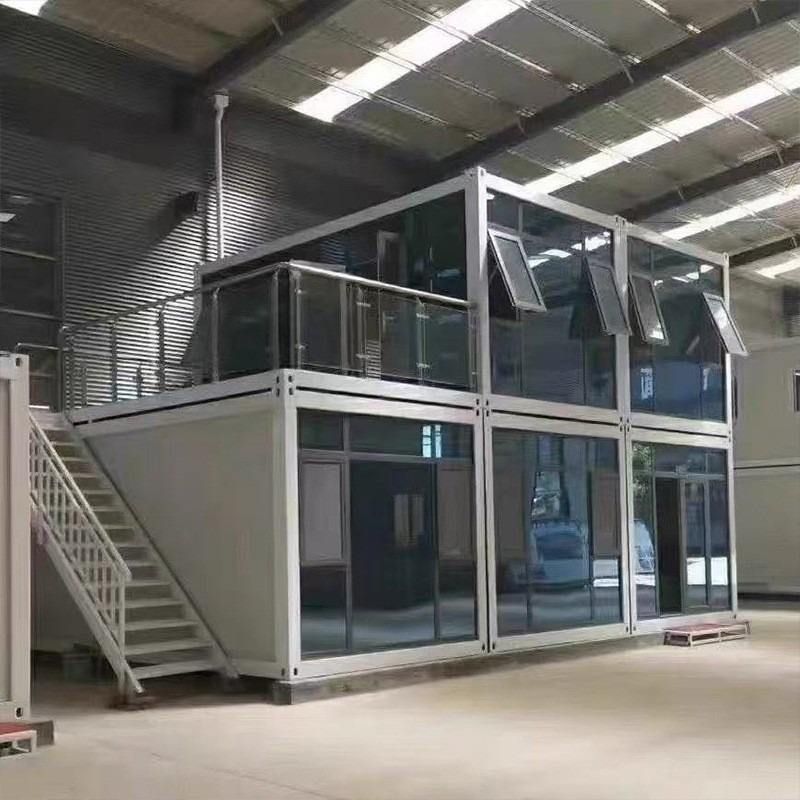
I. Government-funded situations If prefabricated panel houses are included in the government's demolition or renovation plans due to safety hazards, non-compliance with urban planning, or poor living conditions, the government typically covers the majority or all of the costs. These costs include compensation for the value of the house, relocation and temporary housing expenses, and compensation for business interruption losses (if applicable for commercial purposes). The compensation methods are flexible and may include monetary compensation, property rights exchange (such as providing resettlement housing), or a combination of both. For example, in urban renewal or dilapidated building renovation projects, the government may build resettlement communities through unified planning, provide residents with property rights exchange housing, and cover temporary housing expenses during the transition period.
II. Individually-funded situations If the prefabricated panel houses are in good safety condition, but residents voluntarily choose to renovate or rebuild them for the purpose of improving living conditions and are not included in the government's demolition plans, the funds are typically borne by individuals. Additionally, if residents choose higher-standard housing (such as larger areas or better locations) or personalized renovations beyond the scope of government compensation, the excess portion must also be borne by individuals. For example, after the government provides basic area compensation according to policies, residents who need to expand the area or upgrade renovation materials must pay the price difference themselves.
III. Combined government and individual funding situations In some projects, the government may provide partial compensation, while residents are responsible for the remaining costs. For example, the government may only compensate for the basic value of the house, while costs for renovations and ancillary facilities (such as garages and gardens) are borne by individuals. Additionally, the government may reduce individual burdens through policy support, such as simplifying building approval procedures and providing subsidies for building loans, but the loan principal must still be repaid by individuals. This model is common in self-built housing renovation projects in urban-rural fringe areas or rural areas.
IV. Special cases of reinforcement and renovation If prefabricated panel buildings undergo reinforcement and renovation (rather than demolition and reconstruction), the government typically provides some financial assistance, but the majority of the costs must be self-financed by homeowners. The funding sources mainly rely on special housing maintenance funds (such as housing public maintenance funds paid by homeowners). If the maintenance funds are insufficient, the remaining costs are shared by homeowners based on the proportion of their building areas. For example, in projects such as installing elevators or structural reinforcement in old residential communities, the government may subsidize part of the project costs, while the remaining costs are negotiated and shared by homeowners.



