Back to blog
Article
Where to Place Container Houses
Admin September 16, 2026
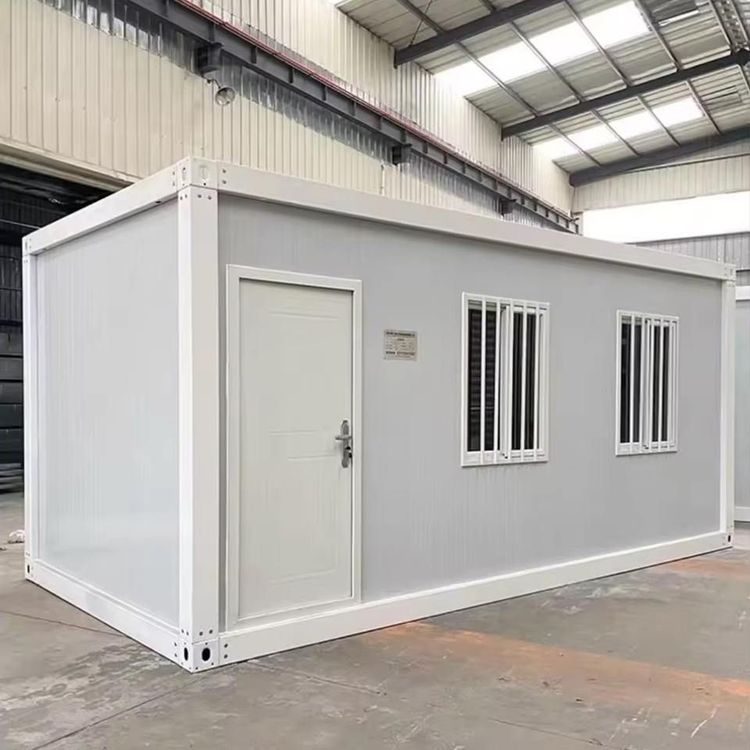
The placement location of container houses should be determined comprehensively based on their purpose, land nature, and local policies. For legal placement, it is necessary to avoid cultivated land and basic farmland, and prioritize choosing one's own homestead, wasteland (with approval), or temporary land, while avoiding hardening the ground, changing the purpose, or obstructing traffic.
I. Basic Conditions for Legal Placement
Compliance with Land Nature
- One's Own Homestead: It must be confirmed with property rights and have no record of illegal construction. Direct placement is usually legal.
- Wasteland (barren mountains, slopes, abandoned ponds, etc.): It is necessary to consult with the land management department and obtain government permission before placement.
- Temporary Land: Such as construction sites and scenic spots, it must comply with temporary building plans and be used within the specified period.
- Prohibited Areas: Construction is strictly prohibited on cultivated land and basic farmland; forest land requires approval from the forestry department; for leased land, the nature of the contract must be clarified (usually limited to temporary use only).
Purpose and Structural Restrictions
- Temporary Use: Mainly used for storing agricultural materials and tools or as a farm watch house, with no water or electricity supply inside, no hardening of the ground, and no occupation of land quotas.
- Prohibited Behaviors: Hardening the ground, building permanent foundations, or changing the purpose (such as for business or residence) may be identified as illegal construction.
II. Specific Suggestions for Placement Locations
Rural Areas
- Prioritize choosing one's own homestead or approved wasteland, and avoid obstructing traffic or affecting villagers' lives.
- For long-term residence, it is necessary to go through the building approval process and provide structural drawings; otherwise, there is a risk of being identified as illegal construction.
Cities and Construction Sites
- Used as temporary dormitories, office spaces, or exhibition halls, it must comply with temporary building plans and be demolished or relocated within the specified period.
- When placed on rooftops, it is necessary to confirm the building's load-bearing capacity and avoid changing the original structure.
III. Approval and Compliance Points
- Differences in Local Policies: Some regions regard container houses as temporary buildings and do not require permits; some regions identify them as illegal buildings, so it is necessary to consult relevant departments in advance.
- Demolition Compensation: Temporary buildings without relevant certificates usually receive no compensation; approved container house homestays, etc., may receive appropriate compensation based on the actual situation.
IV. Precautions for Long-term Use
- Foundation Treatment: For long-term fixed use, it is necessary to pour concrete strip foundations; for short-term use, prefabricated concrete pads or steel pads can be used to ensure even force distribution.
- Maintenance and Inspection: Regularly inspect easily rusted parts such as welds, corners, and bottoms, and repaint them in a timely manner; replace sealants every 5-7 years and clean up accumulated water on the roof.