
Back to blog
Article
Where to Place Container Houses Appropriately
Admin September 15, 2026
Container houses should be placed in locations that are legal, compliant, and do not affect the interests of others or the public, such as privately-owned homesteads or approved wastelands, while avoiding sensitive areas like major traffic routes and farmland.
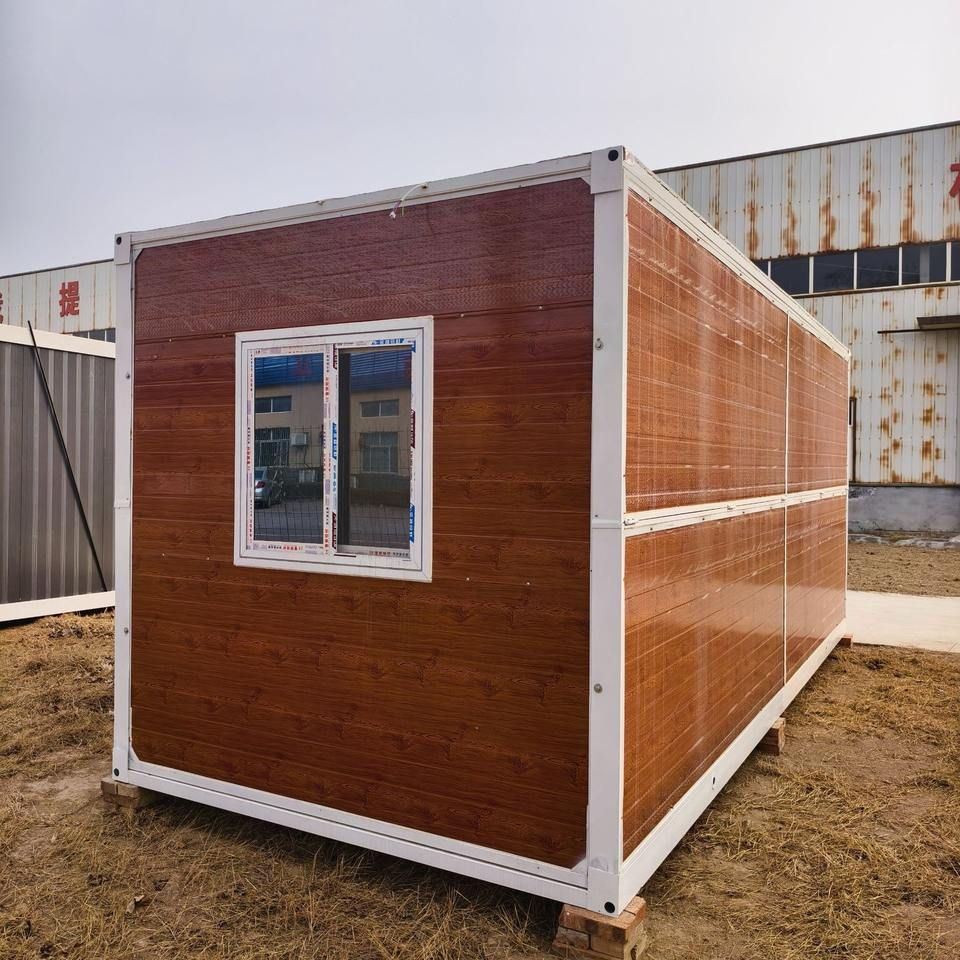
I. Legal and Compliant Placement Locations
- Privately-Owned Homesteads: For placing container houses in rural areas, the first choice is a privately-owned homestead with confirmed property rights. This is the most secure option as the right to use the homestead belongs to the individual, and placing a container house usually does not require additional approval (subject to local regulations). If the homestead itself has illegal construction issues or the container house is placed on someone else's homestead, it constitutes illegal behavior.
- Approved Wastelands: If you wish to place a container house on unused land such as barren mountains, slopes, abandoned ponds, or ditches, you must consult and apply for approval from the local land management department in advance. Unauthorized occupation without permission may result in demolition or penalties.
- Temporary Use of Leased Land: If you obtain land use rights through leasing, you need to clarify the terms regarding land use in the contract. In most cases, leased land is only allowed for temporary structures (such as construction site dormitories or temporary offices) and not for permanent residences. If you need to change the purpose, you must renegotiate the contract and complete additional procedures.
II. Areas to Strictly Avoid
- Locations Obstructing Traffic or Affecting Villagers' Lives: Container houses must not be placed in village roads, public activity areas, or other locations that may obstruct traffic or interfere with others' normal lives.
- Farmland and Basic Farmland: According to the Land Management Law, farmland and basic farmland are strictly prohibited from being used for non-agricultural construction (including container houses). Violators will face forced demolition and fines.
- Forest Land: If you need to place a container house on forest land, you must apply for approval from the forestry department and may not occupy it without permission.
III. Additional Requirements for Long-Term Residence
If you plan to use a container house as a long-term residence, you need to follow local requirements to complete the construction approval procedures and provide structural drawings stamped by an engineer. Unauthorized construction without approval may be identified as illegal and face demolition risks.
Related



