
Back to blog
Article
Where Are Container Houses Usually Placed
Admin September 17, 2026
Container houses can generally be placed on privately-owned land, leased land, in specific parks, and other locations, but it is important to note whether they involve unauthorized construction.
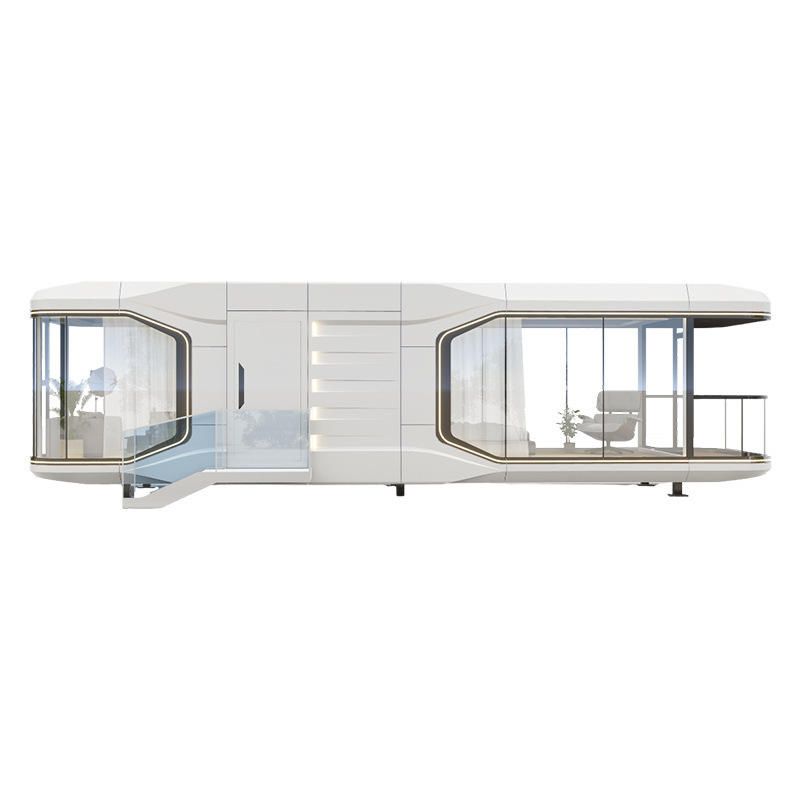
Privately-owned land:
- Rural homesteads: They can be placed in idle areas of the homestead, such as corners of the yard. Their uses are diverse; they can serve as additional living space to meet the housing needs of family members; they can also be used as storage space for farming tools, miscellaneous items, etc.; they can even be transformed into homestays to provide accommodation services for tourists in rural tourism, thereby increasing income.
- Urban privately-owned land: Small plots of land in the suburbs, for example, can be used as vacation cottages for people to enjoy tranquility during their leisure time; they can also be renovated into studios to provide independent working environments for creative workers; they can also be rented out to earn a certain amount of rental income. Some people near creative parks on the outskirts of cities have transformed containers into studios.
Leased land:
- Industrial land: In some industrial concentration areas, the cost of leasing idle industrial land to place container houses is relatively low. Small enterprises lease the land to place them as employee dormitories, solving the housing problem of employees and reducing the company's operating costs.
- Commercial land: Some small plots of land around commercial areas are available for rent. Container houses can serve as commercial supporting facilities, such as small cafes and book bars, attracting consumers and enhancing the commercial atmosphere.
Specific parks:
- Creative parks: They encourage innovation and unique architectural forms. Container houses are suitable for placement there and can become artist studios, designer exhibition halls, or creative office spaces, stimulating creative inspiration and promoting cultural exchanges.
- Agricultural parks: With large areas of land, container houses can be placed there to provide living quarters for agricultural workers or serve as spaces for agricultural exhibitions and experiences.
Other locations:
- Homestays in cultural and tourism scenic spots: In tourist resorts with beautiful natural scenery, container houses can quickly adapt to changes in tourist seasons or visitor numbers, providing accommodation services for tourists.
- Urban supporting service stations: They can be integrated with modern urban business districts and serve as creative dining trend spaces, art exhibition modules, pop-up store modules, etc., enriching urban functions.
- Private vacation villas: They are suitable for placement in private estates, such as manors and resorts, where the number and layout can be flexibly adjusted according to the scale of activities and needs.
- Temporary shelters for emergency rescue: They are suitable for special situations such as temporary event venues and disaster relief settlement points, allowing for quick construction and providing sufficient accommodation space.
However, whether container houses involve unauthorized construction is usually determined by local authorities. When placing them, it is necessary to avoid hardening the ground or building permanent foundations and not use them for business or residence to prevent being identified as 'substantially changing the land use.' It is advisable to consult relevant departments in advance and follow the procedures.
Related



