
What to Do If the Portable Toilet Is Broken
If a portable toilet is broken, the handling method should be selected according to the type of fault and the scenario. Details are as follows:
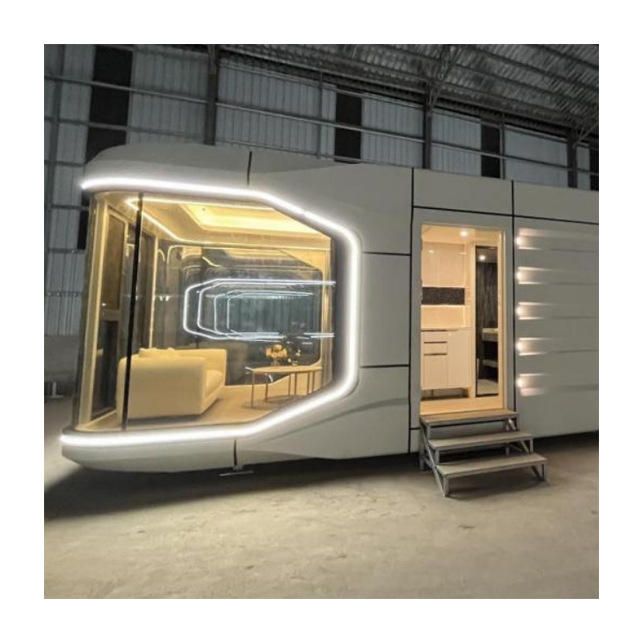
I. Official Handling Procedures for Outdoor Portable Toilets in Hunan
If the fault occurs in an outdoor portable toilet managed by a scenic spot or municipal sanitation department in Hunan (such as those in Zhangjiajie or Fenghuang Ancient Town), contact the scenic spot management office or municipal sanitation department for repair. Repairs are usually responded to within 1-2 hours, with possible delays in remote areas or on holidays.
- Minor faults (such as abnormal flushing or a broken door lock): Maintenance personnel can repair them on-site, taking a relatively short time.
- Complex faults (such as short circuits in the electrical circuit or pipe ruptures): Professional equipment is required for repair, usually completed within 24 hours.
- Emergencies (such as sewage leakage or severe odors): You can call the scenic spot service hotline or the 12345 citizen service hotline for priority handling.
II. Self-Inspection and Handling of Common Faults
If the portable toilet is for private use or requires temporary emergency handling, refer to the following steps:
Odor diffusion
- Check whether the exhaust fan and ventilation window are operating normally and clean any debris in the pipes;
- Confirm whether the seals of the treatment tank/sewage tank are aged or loose, and replace them in a timely manner;
- Check whether the connections of the sanitary ware (such as the toilet flange and water pipe joints) are sealed, and repair any loose parts.
Sanitary ware blockage
- Use unclogging tools (such as a plunger or a spring unclogger) to clear debris from the toilet or sink;
- Post signs saying "No throwing of tissues or debris" on a daily basis to reduce human-caused blockages.
Leakage in the treatment system
- Check whether the seals (such as the tank rubber strips and pipe joints) are aged and replace damaged parts;
- Check whether there are cracks in the tank. Minor cracks can be repaired with waterproof glue, and severely damaged tanks need to be replaced.
Ventilation failure
- Check whether the power supply and circuit have poor contact, and repair any open circuits or short circuits;
- Clean the dust and debris on the exhaust fan blades and in the pipes to restore ventilation efficiency.
Water and electricity faults
- Water circuit problems: Check whether the faucet cartridge or water pipe joints are leaking, and replace the sealing gasket or cartridge;
- Electrical circuit problems: Check whether the fuse is blown and whether the circuit is aged. Avoid connecting the electricity by yourself and seek professional help.
III. Precautions in Non-Professional Scenarios
- Ordinary blockages (such as a slightly blocked toilet): You can use a plunger or a pipe unclogger for handling, but avoid using strongly corrosive chemicals.
- Faucet leakage: Turn off the main valve and replace the sealing gasket. Ensure that the water source is cut off before operation.
- Serious faults (such as a broken water pipe or wall seepage): Immediately contact professional maintenance personnel and avoid disassembling it by yourself to prevent secondary damage.
Tip: Before handling, confirm the property ownership of the portable toilet (public/private). For public facilities, contact the management department first. For private facilities, choose self-handling or professional maintenance according to the type of fault.



