
Back to blog
Article
What to Do If the Container House Is Very Hot
Admin September 17, 2026
Measures such as physical cooling, personal protection, ventilation treatment, and other aspects can be taken to address the issue of a container house being very hot.
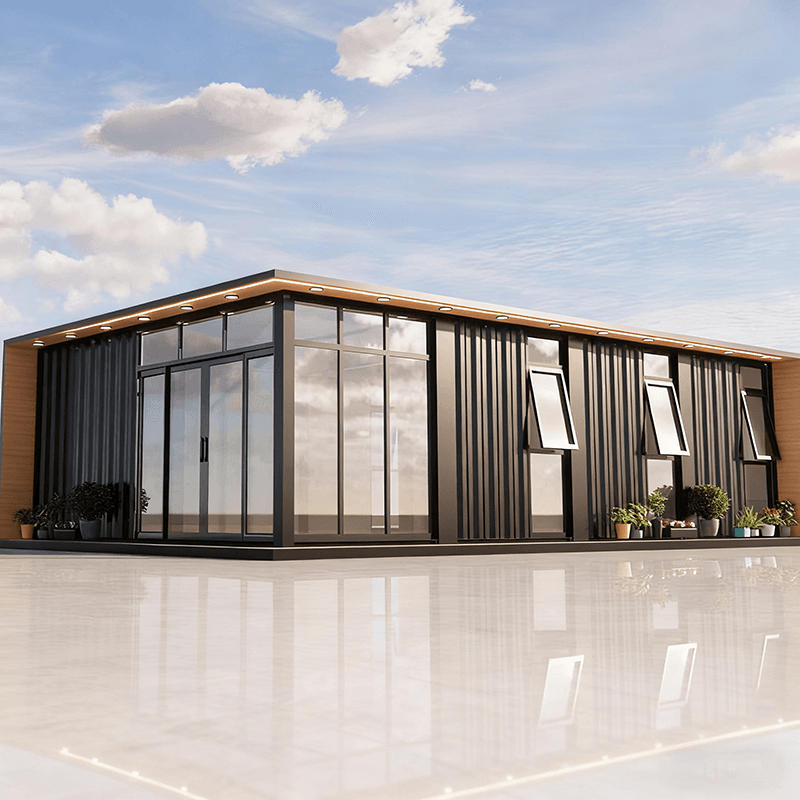
Physical Cooling
- Thermal Insulation: Wrap the iron sheet with thermal insulation materials, such as filling the walls with A-grade rock wool over 50mm thick to cut off heat conduction from the metal exterior walls; create an elevated ventilation layer or add thicker insulation on the roof to reduce heat gain from sun exposure; use broken-bridge aluminum double-glazed windows and doors to lower radiant heat gain. If conditions permit, install industrial air coolers in conjunction with air conditioners, which can reduce cooling energy consumption by over 30% compared to thin-plate containers.
- Shading Measures: Install awnings, sunshades, or plant climbing vines to form natural shading barriers and reduce direct sunlight exposure; adding an exterior corridor canopy can also assist in shading.
- Misting System: Set up misting devices around or inside the container to lower the temperature through the heat absorption of water mist evaporation.
- Reflective Coating: Choose coatings with the function of reflecting sunlight to reduce heat absorption on the container's surface.
Personal Protection
Use personal protective equipment such as cooling vests and ice sleeves to lower the body's perceived temperature by 5-8℃ through physical cooling principles, alleviating discomfort from high temperatures.
Ventilation Treatment
- Natural Ventilation: Install ventilation equipment such as windows and exhaust fans. On hot days, open windows and doors to enhance natural air convection and lower indoor temperatures.
- Mechanical Ventilation: If natural ventilation is insufficient, configure mechanical equipment such as air conditioners and fans to strengthen air circulation and heat dissipation.
- Confined Space Management: Confined containers can easily become oxygen-deficient after 4-5 hours. It is necessary to reserve ventilation channels and set up air-conditioned rest pavilions. Workers should rotate every 2 hours to avoid the risk of high-temperature oxygen deficiency.
Other Aspects
- Reduce Heat Sources: Avoid using high-heat appliances such as electric stoves inside the container to lower the internal heat load.
- Application of Energy Storage Materials: Use energy storage materials with good thermal insulation properties, such as phase change materials, to absorb external cool air at night and release a cooling effect during the day to regulate indoor temperatures.
- Greening for Cooling: Plant greenery around the container to lower the surrounding air temperature through plant transpiration and improve the microclimate environment.



