
What to Do If a Container House Falls
If a container house falls, immediately ensure the safety of personnel, contact the responsible party for handling, and retain evidence. If necessary, seek compensation through legal channels.
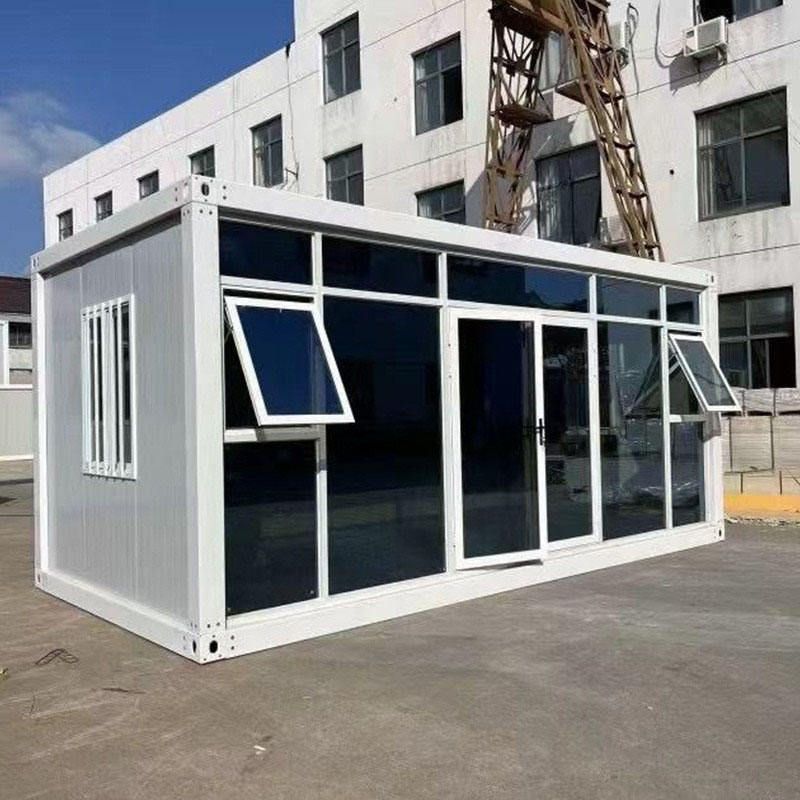
I. Ensuring Personnel Safety and On-Site Control
When a container house falls, the primary task is to immediately evacuate on-site personnel to avoid secondary injuries. If anyone is trapped or injured, call emergency services (such as 120) immediately and assist with the rescue. At the same time, set up warning signs (such as warning lines, reflective cones, etc.) to prevent pedestrians and vehicles from approaching the hazardous area and to stop unauthorized personnel from entering, which could cause further accidents. If the fall occurs in a public area (such as a road or square), promptly contact traffic management authorities for assistance in traffic疏导.
II. Contacting the Responsible Party and Requesting Emergency Handling
Quickly contact the owner, manager, or construction party of the container house, clearly inform them of the accident situation, and request that they immediately send professional personnel to the scene. The responsible party needs to conduct a comprehensive inspection of the fallen part to confirm whether there are any hidden dangers such as structural looseness or failure of connecting components, and take temporary reinforcement measures (such as supports, barriers) to prevent further collapse. If the house fell due to long-term disrepair or unauthorized modifications, the responsible party needs to undertake repair responsibilities; if it was caused by natural disasters (such as strong winds or earthquakes), it needs to be handled in accordance with insurance clauses through negotiation.
III. Retaining On-Site Evidence and Records
Fix on-site evidence through methods such as taking photos and videos, focusing on recording the location of the fallen house, the extent of damage, the surrounding environment, and the setting of warning signs. Preserve physical evidence such as fallen building materials (such as steel plates, bolts) and damaged items (such as vehicles, public facilities) to avoid losing key information during site cleanup. If possible, contact a third-party organization (such as a construction engineering testing center) to identify the cause of the accident and issue a written report as evidence for subsequent compensation claims.
IV. Legal Rights Protection and Compensation Claim Process
If the accident causes personal injury or property damage, the victim can make a compensation claim to the responsible party. During the negotiation phase, clarify the scope of compensation (such as medical expenses, lost wages, property repair costs, etc.) and request that the responsible party issue a written compensation agreement; during the mediation phase, you can apply for the intervention of communities, industry associations, or people's mediation committees; during the litigation phase, submit evidence materials (such as on-site photos, medical records, loss assessment reports, etc.) to the court and safeguard your rights through legal channels. Throughout the process, pay attention to timeliness. For example, personal injury compensation claims usually need to be made within 1 year.



