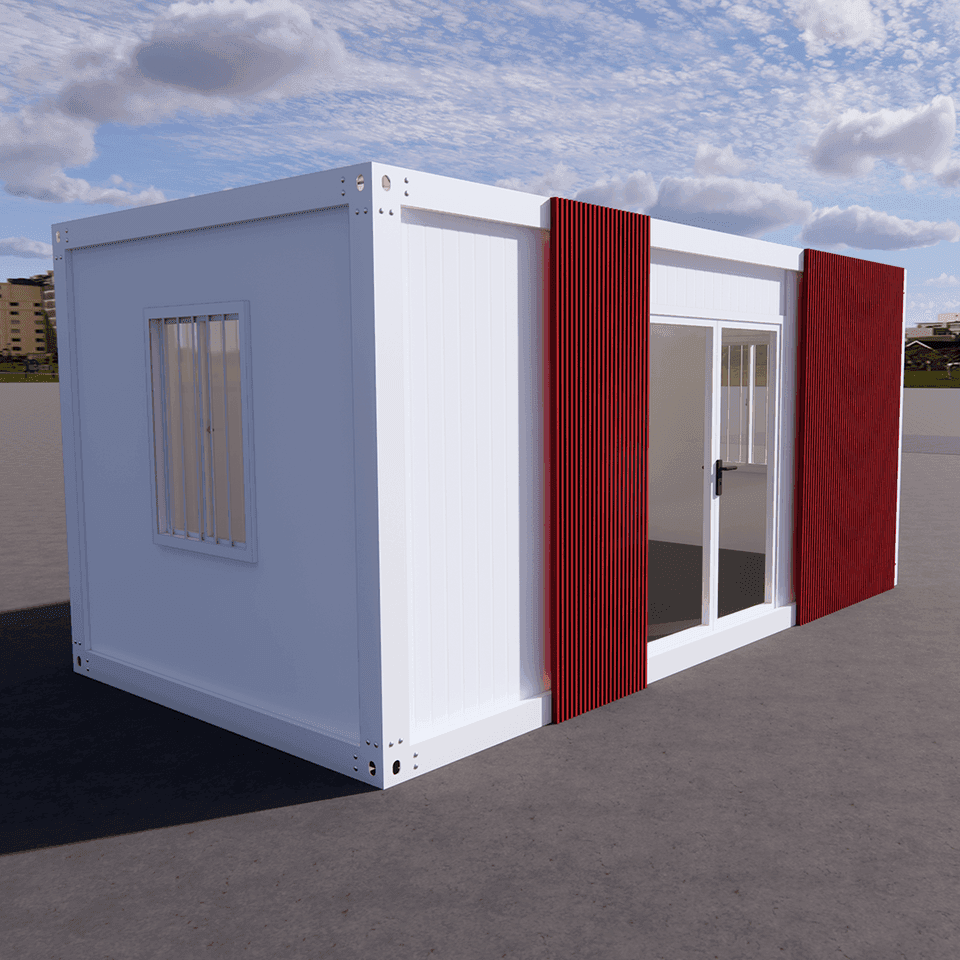
What's Good About Container Buildings?
Tourism destinations keep raising the bar for visitor buildings. Early on, simple portable structures such as wooden cabins and box-type units could cover basic scenic and guest needs. Today, newer portable formats—container-style mobile buildings, luxury tents, and upgraded wooden cabins—draw more market attention. Among them, container-style mobile buildings stand out the most and have the strongest outlook.
1 Eye-catching design that sparks conversation
Appearance is a defining trait of any building. A bold, distinctive look creates talk value and wins attention for a scenic area. The “Lonely Library” helped container architecture inside a tourism destination ignite property marketing across Aranya and draw large numbers of visitors. At a time when many traditional building exteriors feel familiar to travelers, container buildings stand out with fresh, unique forms, a rugged silhouette, and a strong industrial aesthetic. Combined with the ability to rearrange modules freely thanks to their structural strengths, they create distinctive atmospheres that attract guests, increase foot traffic, and amplify publicity.

2 Functional versatility
Container buildings can host a wide range of uses—from a single module as a restroom, small shop, guest room, or landscape feature, to multi-container assemblies that become large retail spaces, dining venues, visitor centers, lodging, and event-service facilities. That makes them especially useful in tourism scenic areas, with very broad applications.
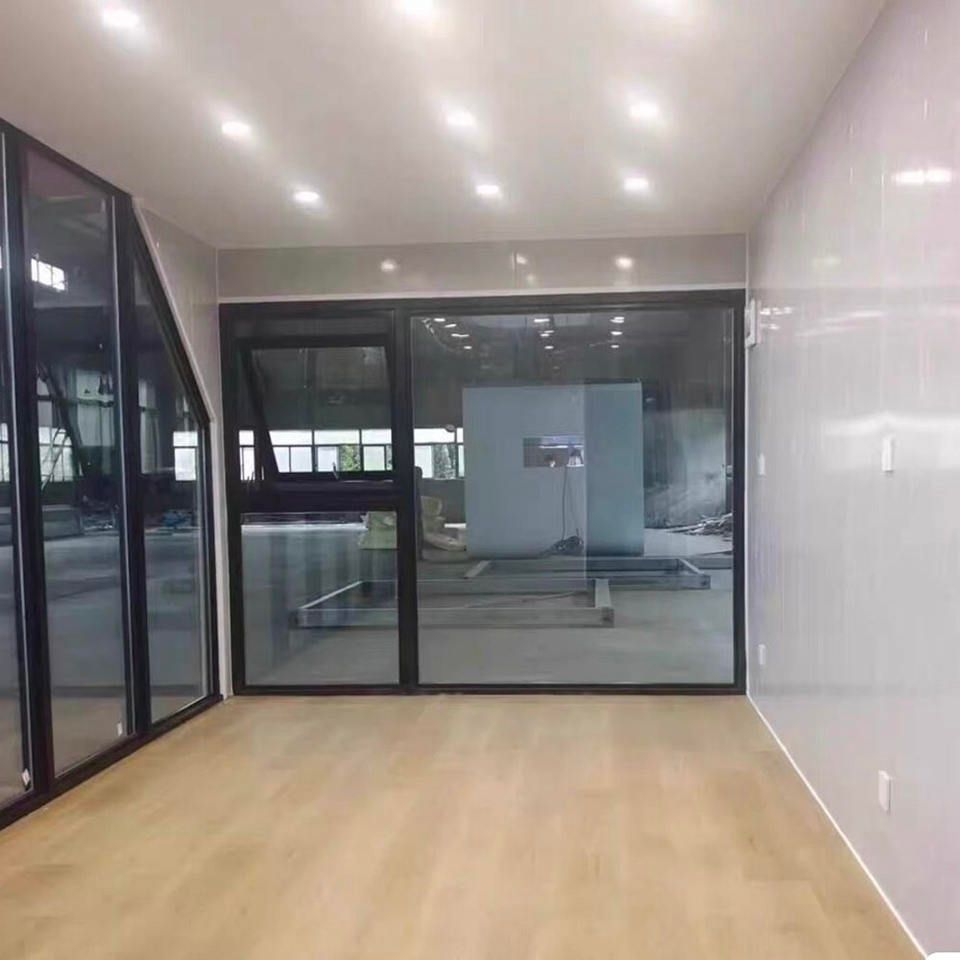

3 Interior comfort
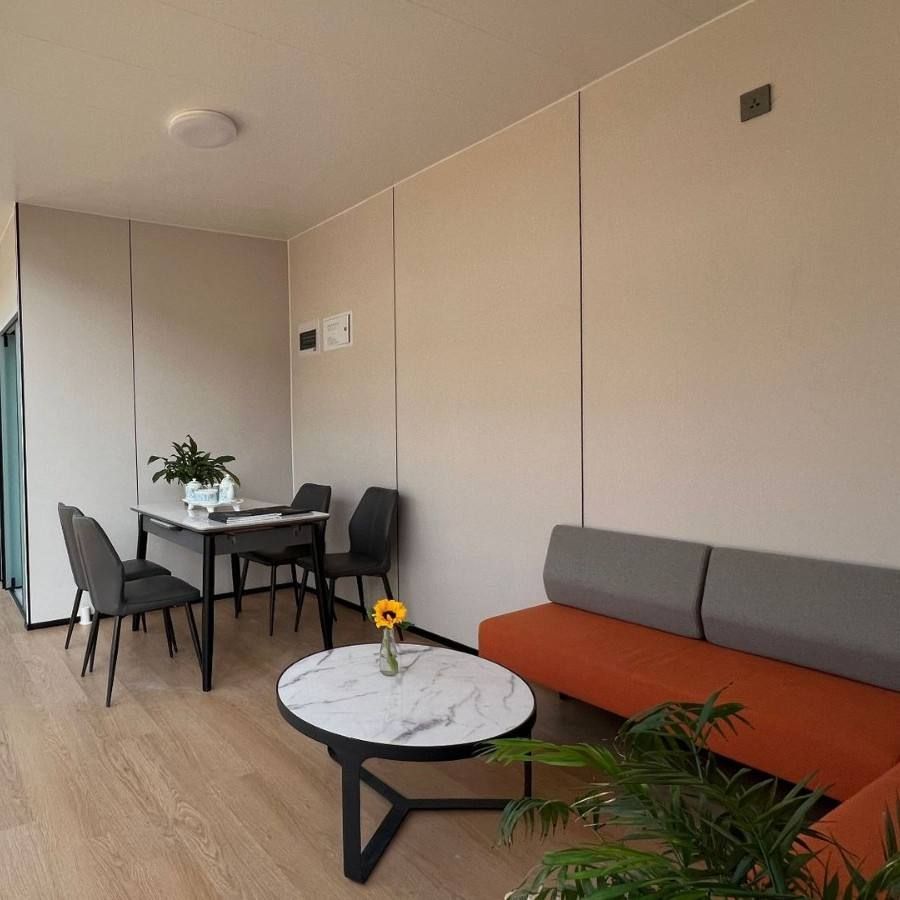
Traditional portable buildings often meet only short-term basic needs. They lack comfort, and their style tends to be repetitive with little originality. High-end customized container buildings use local climate analysis and energy calculations to deliver insulation, waterproofing, moisture control, strength, and wear resistance. Different function types can receive different interior finishes and styles.
4 Flexible placement
Based on visitor-flow changes and site requirements, containers can be clustered at large scale to form commercial streets, visitor centers, hotels, and other building groups that shape an overall atmosphere. They can also be dispersed in smaller numbers across a scenic area to create private woodland cabins or garden villas. Individual units can serve as waystations, restrooms, or shops along touring routes, building out the destination’s service network.

5 Relocatable sites and adjustable inventory
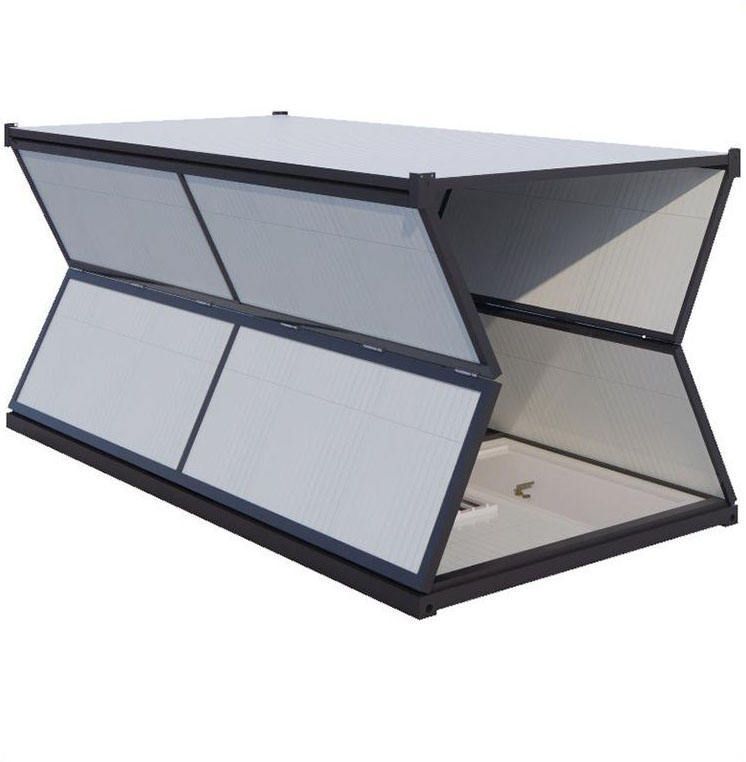
Container buildings can change location through multiple moving methods. Single-module buildings can be lifted as a whole without damaging interior or exterior finishes. For short-term event setups with fewer fixed furnishings and more modules, interlocking container systems can cut storage space and transport cost when fewer shipments are needed or when plug-in assemblies are preferred. During peak seasons, place more units in key zones and disperse them in secondary areas to raise service capacity; in the off-season, adjust counts and positions to lower operating costs without hurting the visitor experience.
6 Factory prefabrication with less on-site work
The advantages of container-style mobile buildings are clearest during construction. Industrial production lets more than 85% of the work finish in the factory; units leave the plant with interiors already complete, free from weather and other external delays. Schedules stay short and controllable, and overall build time can typically be held to 40–45 days. That helps scenic areas open on time and host major events with fewer schedule risks. Because the buildings are light, foundations stay simple and do not add heavy site burden. On special sites—cliffsides or lakeshores, for example—the module’s own structure can support large cantilevered spans for striking experiences, while on-site work may need only a single lift.
7 Integrated green systems for sites without municipal utilities
Container-style mobile buildings can fully integrate energy-saving systems such as solar power generation and waste/sewage treatment equipment, making them suitable for scenic areas with limited water and power supply. Where the municipal grid is hard to reach but sunlight is abundant, solar generating glass and batteries can be built into the modules to power equipment and keep daily operations running without relying on municipal electricity.
Address: No. 1777 Hualong Road, Shanghai
Website: www.ourcompany.com
Phone: 021-60760737
Mobile: 13681880835/17721310336/13331815891
Email: marketing@ourcompany.com
24H premium customer service hotline: 400-716-6557