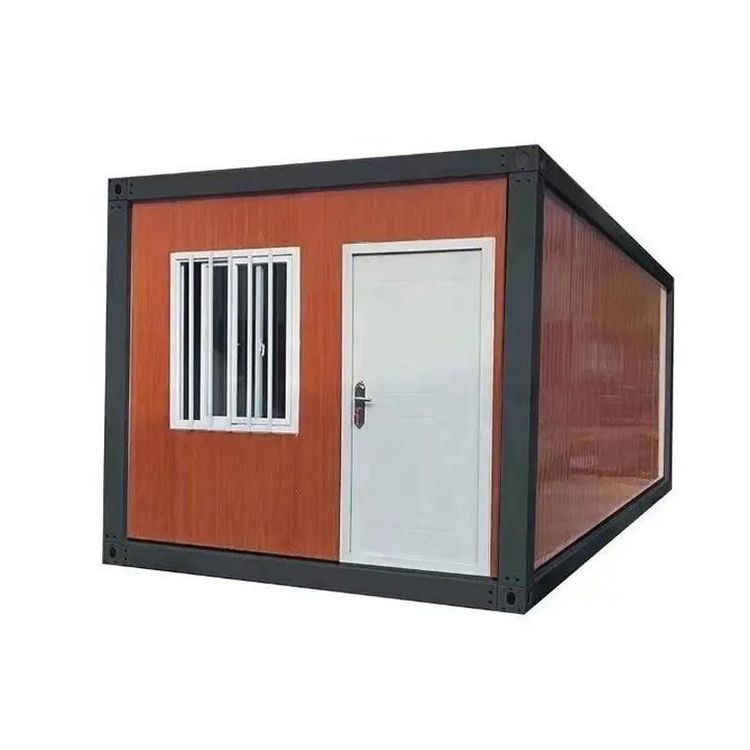
What Materials Are Good for Mobile Toilets
The choice of materials for mobile toilets should be based on a comprehensive consideration of usage scenarios, durability, cost, and environmental friendliness. The following are some common high-quality materials:

1. Metal Materials
- Aluminum Alloy: As a mainstream material for skeletons and frames, it is lightweight (with a density only one-third that of steel), highly corrosion-resistant, and has a significant anti-rust effect after oxidation treatment or fluorocarbon spraying on its surface. It is also easy to process and shape. In typical applications, the weight of aluminum alloy is controlled at 3-5kg/m², ensuring structural strength without adding excessive weight, making it suitable for long-term fixed or frequently moved scenarios.
- Stainless Steel: Mainly used for internal hardware (such as water tanks, water pipes), door hinges, and some exterior finishes. It has extremely strong corrosion resistance, making it particularly suitable for coastal, high-humidity, or chemically corrosive environments. However, its cost is relatively high (about 1.5-2 times that of aluminum alloy), and it is difficult to process, usually only used for small-area components.
2. Plastic/Composite Materials
- PVC Board: Commonly used for internal partitions, wall panels, and ceiling panels, it has the characteristics of waterproofing, moisture resistance, and easy cleaning. Its surface can be printed with patterns to enhance aesthetics. With a density of approximately 1.4-1.6g/cm³, it is lightweight and low-cost (about 50-150 yuan per square meter), suitable for large-scale applications. However, it is necessary to choose products that comply with environmental standards (such as RoHS) to avoid the release of harmful gases from inferior materials.
- Fiberglass Reinforced Plastic (FRP): Composed of resin and glass fiber, it has a strength close to that of steel when used for the outer shell or overall structure, but its weight is only one-fourth to one-third that of steel. It is also corrosion-resistant and aging-resistant. Its price usually ranges from several thousand to tens of thousands of yuan. The disadvantage is that its surface is easily scratched, and the repair cost is high, requiring regular maintenance.
3. Wooden Materials
- Preservative-Treated Wood: After pressure treatment, it can be used for interior decoration or exterior frames. It has a natural texture and is easy to process, but it needs to be regularly painted with preservative coatings and may deform in high-humidity environments. It is generally used in scenic spots, homestays, and other scenarios with high aesthetic requirements and is not recommended as a structural material.
- Eco-Wood: Composed of wood powder and plastic, it combines the appearance of wood with the durability of plastic. Its waterproof and insect-resistant properties are superior to those of natural wood, but its high-temperature resistance is poor, and it should avoid prolonged exposure to sunlight. Its price is about 1.2-1.5 times that of preservative-treated wood, suitable for scenarios that pursue a natural style but have a limited budget.
4. Other Functional Materials
- Rock Wool Sandwich Panel: When used for ceiling panels or partition walls, filling with rock wool (with a density of ≥80kg/m³) can effectively provide sound insulation and thermal insulation, with a fire rating of Class A, suitable for areas with a high density of people.
- High-Density Polyethylene (HDPE) Board: It has high strength, impact resistance, and UV resistance, and is commonly used for the bottom and exterior decoration, with a price of about 200-500 yuan per square meter.
Scenario-Based Recommendations: For temporary events (such as exhibitions and music festivals), priority should be given to the combination of an aluminum alloy frame and PVC board interior decoration, which balances portability and cost (the price per unit is about 3000-8000 yuan) and allows for quick installation and disassembly. For temporary projects lasting several months, 100*100 galvanized square steel welding can be used to meet short-term strength requirements.