
What Kind of Container Houses Are Generally Used
The choice of container houses depends on the duration of use and cost, mainly including two types: short-term, low-cost use and long-term use with distinctive styles.
Container houses for short-term, low-cost use: Most of them use large corrugated sandwich panels and flat sandwich panels. These two types of panels have a two-sided iron sheet structure, with the iron sheet thickness ranging from 0.2 to 0.8mm. The middle is filled with rock wool of different densities or foaming agents (foaming agents have been largely phased out). This structure results in lower costs for container houses, making them suitable for projects such as temporary accommodation and offices, and temporary gourmet commercial streets. Since their original design intent is to meet short-term occupancy needs, less consideration is given to comfort and aesthetics. For scenarios with limited budgets and low requirements for living conditions, this type of container house is a worthwhile recommendation.
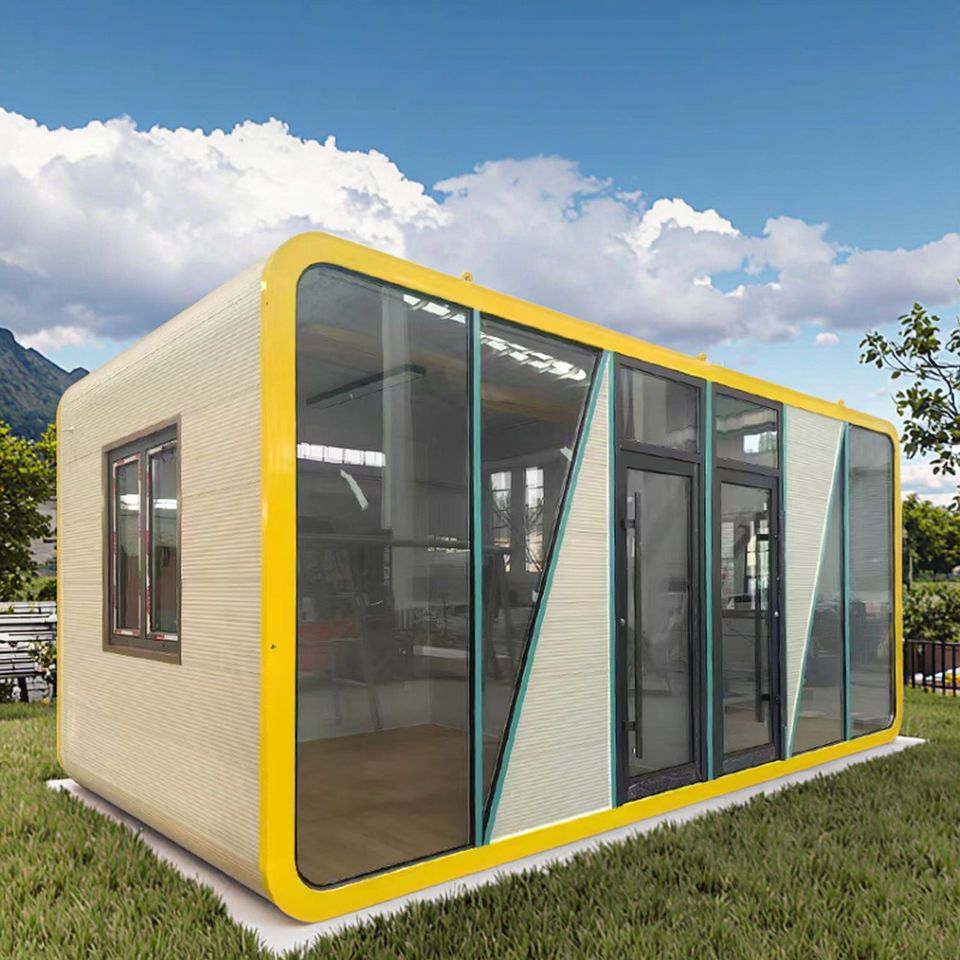
Container houses for long-term use with distinctive styles: Modular houses are more scientifically and effectively designed in terms of material selection and wall layout. The outer layer usually uses container corrugated panels, which are roll-formed from weather-resistant steel plates or galvanized steel plates with a thickness ranging from 1.2 to 3.0mm, providing high strength and durability. The middle layer consists of hidden works such as insulation layers, including insulation, sound insulation, and water and electricity treatment, ensuring a good living experience during long-term use. The interior decorative panels are mostly bamboo-wood fiber boards, and some use wood veneers, carbon crystal boards, gypsum board latex paint, etc., to meet different styles and needs. This type of container house is mainly suitable for container hotel projects, offices, science and technology innovation parks, scenic area functional buildings, sales office showrooms, gourmet streets in characteristic commercial areas, energy storage containers, and special containers, providing long-term and stable living and working environments.



