
What is a Mobile Toilet
A mobile toilet is a facility that can be moved as a whole and provides toilet services to the public. It does not rely on traditional sewers or fixed building structures and can be quickly deployed in various locations.
Structure and Materials
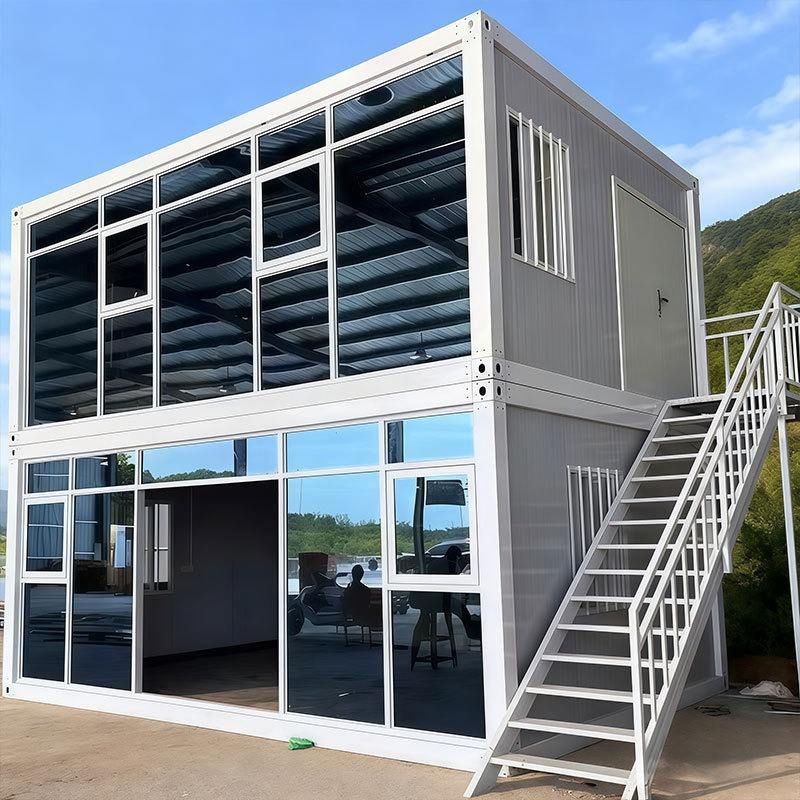
Mobile toilets usually adopt an independent design with a lightweight box-like structure as the main body. Internally, they are equipped with toilets (such as squat toilets or sit-down toilets), waste storage devices (for collecting excrement), as well as ventilation and cleaning equipment to ensure hygiene and air circulation during use. In terms of materials, durable and lightweight plastics or metals are often chosen, which can ensure structural strength while facilitating transportation and installation. Some advanced models also incorporate thermal insulation and odor-proof designs, such as using special sealing materials or adding deodorizing devices to enhance the user experience.
Core Advantages
Compared with traditional fixed toilets, the biggest advantages of mobile toilets lie in their flexibility and convenience. They do not require connection to sewers or complex building structures and only need simple foundation support (such as a flat ground) to be put into use. This design enables them to be quickly deployed in temporary locations, such as construction sites, large event venues, or temporary areas in parks, effectively addressing sanitation needs during short-term or seasonal population gatherings. In addition, the modular design of mobile toilets allows for scale adjustment according to actual needs, for example, by combining multiple boxes to increase the number of toilet stalls, further adapting to different scenarios.
Applicable Scenarios
Mobile toilets have a wide range of applications, covering both fixed and temporary demand locations. Fixed locations include stations, docks, tourist attractions, villa areas, and newly built residential communities, where traditional toilets may not be feasible due to space constraints or planning requirements. Temporary locations include large construction sites, squares, densely populated public places, and bustling commercial streets. Especially during the holding of exhibitions, music festivals, or sports events, mobile toilets can quickly supplement sanitation facilities and avoid environmental problems caused by difficulties in finding toilets. Their high deployment efficiency and low cost make them an ideal solution for addressing temporary sanitation needs.
Social Value
The popularization of mobile toilets has significantly improved the accessibility of public sanitation, especially in areas with limited resources or frequent population movements. It not only reduces the dependence of traditional toilet construction on land and infrastructure but also lowers long-term maintenance costs through flexible deployment. For example, in natural disasters or emergency rescue scenarios, mobile toilets can be quickly put into use to provide basic sanitation guarantees for affected people, demonstrating their social emergency value.



