
What is the Market Trend of Container Houses?
In 2026, the market trend of container houses exhibits diversified development characteristics, with prices influenced by multiple factors. The industry is evolving towards scene expansion, modular deepening, factory prefabrication, and full-cycle cost optimization, while export growth and low-carbon compliance have become core drivers.
1. Diverse Pricing Factors and Coexistence of Rental and Purchase Models
The price of container houses is significantly influenced by size, material, condition (new or used), configuration, and transaction method. The purchase price of a brand-new standard 20-foot single-container mobile house starts at approximately 23,800 yuan, while second-hand containers cost only 30%-50% of the price of new ones, suitable for users with limited budgets. In the rental market, the daily rent for a 9-square-meter container starts at around 3 yuan, but a deposit of over 3,000 yuan is required, making it suitable for short-term use scenarios. The price differences reflect the market's ability to cover different demand levels.
2. Significant Industry Trends: Upgraded Application Scenarios and Design Models
- Scene Expansion: Container houses are extending from traditional offices and sales offices to commercial operation scenarios such as commercial streets, scenic area shops, and coffee shops, promoting the integration of functionality and aesthetics.
- Modular Deepening: The procurement of single containers is shifting towards multi-container combinations and two-story buildings, with the design focus shifting from individual structures to overall stability to meet larger space requirements.
- Factory Prefabrication: Purchasers require walls, ceilings, floors, and lighting to be prefabricated in the factory, reducing on-site construction time by more than 50%, improving efficiency, and lowering labor costs.
- Full-Cycle Cost Consideration: Maintenance costs such as corrosion prevention, drainage, and waterproofing have become key factors in procurement decisions. In long-term use scenarios, the advantages of full-life-cycle costs outweigh single-price comparisons.
3. Market Development Dynamics: Parallel Growth in Exports and Low-Carbon Circulation
- Export Growth: In the first half of 2026, China's total export value of prefabricated buildings reached 2.79 billion US dollars, a year-on-year increase of 45%. Steel-structured modular houses accounted for over 60% of exports, becoming the main export force.
- Low-Carbon Circulation: Leading companies' products have an average disassembly and reuse frequency of over 8 times, reducing construction waste emissions by about 90% and full-life-cycle carbon emissions by 40% compared to traditional buildings, aligning with global green building trends.
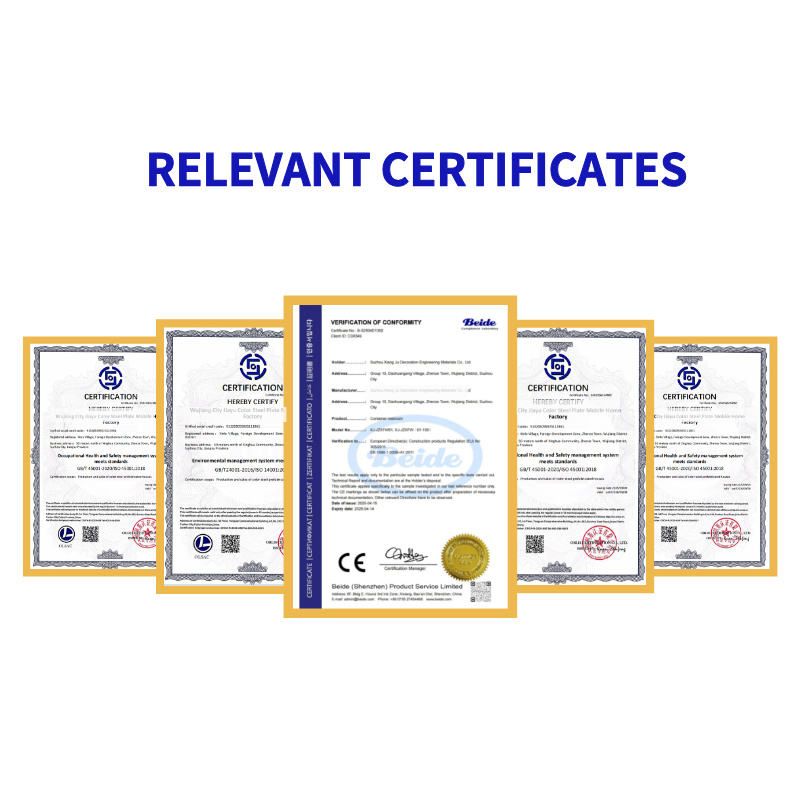
- Cross-Border Compliance: Many countries worldwide are tightening safety, fire prevention, and environmental standards for temporary buildings. For example, demand for EU CE certification and US UL certification has surged, with compliance costs accounting for 15%-20% of total costs.
4. Strong Overseas Demand and Prominent Competitiveness of Chinese Prefabricated Houses
Chinese prefabricated houses are popular in overseas markets due to their low prices (the landed price of a 70-square-meter house is approximately 29,000 US dollars), short delivery times (60% shorter than traditional buildings), and complete configurations (including bedrooms, kitchens, and independent bathrooms), covering regions such as Southeast Asia, the Middle East, and Africa. Leading companies further consolidate their market positions through localized production and compliance certifications.



