
What is the Best Waterproofing for Prefabricated Houses
For waterproofing prefabricated houses, it is recommended to use polyurethane waterproof coatings, SBS modified bitumen waterproof membranes, TPO waterproof membranes, silicone waterproof coatings, or JS waterproof coatings, with the specific choice depending on the usage scenario and performance requirements.
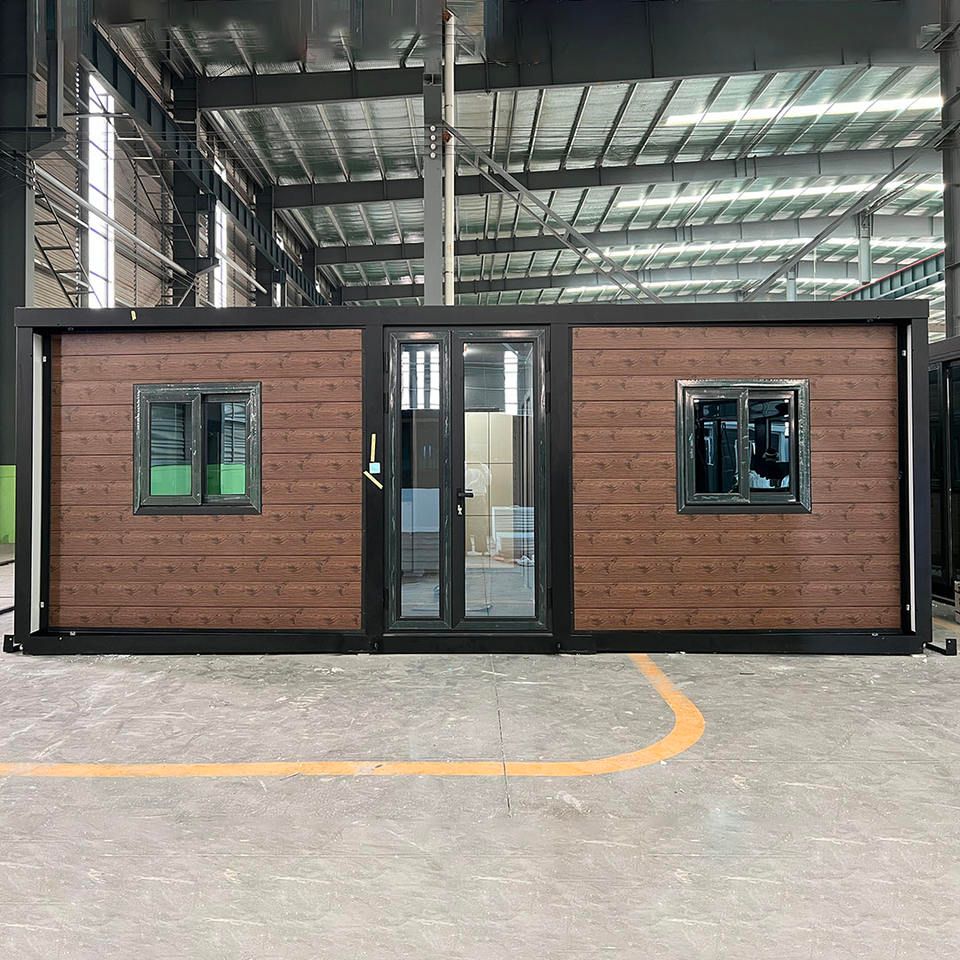
1. Polyurethane Waterproof Coatings
This material is a liquid two-component (or single-component) coating that forms a seamless, highly elastic waterproof membrane upon curing. Its core advantages include:
- Water Pressure Resistance and Crack Resistance: Withstands water pressure ≥0.4MPa and has an elongation rate of 300%-600%, covering fine cracks on the substrate, making it particularly suitable for flat roofs or areas prone to water accumulation.
- Durability and Corrosion Resistance: Has a service life of 15-20 years, with strong resistance to UV rays and chemical corrosion, suitable for complex substrates such as roofs, bathrooms, and basements.
- Construction Adaptability: Can be directly applied to irregular structures without additional joint treatment, reducing the risk of leakage.
2. SBS Modified Bitumen Waterproof Membranes
As a prefabricated roll-type waterproof material, its performance characteristics include:
- Excellent Waterproof Performance: Enhances the flexibility and weather resistance of bitumen through modification technology, forming a dense waterproof layer.
- Construction Convenience: Applied using hot-melt or self-adhesive processes, suitable for large-area substrates such as roofs and walls.
- Aging Resistance: Maintains stable performance even after long-term exposure to outdoor environments, with a typical lifespan exceeding 15 years.
3. TPO Waterproof Membranes
This material combines the advantages of rubber and plastic, with main characteristics including:
- Weather Resistance and Environmental Friendliness: Resistant to UV rays and chemical corrosion, and recyclable, meeting green building standards.
- Hot Welding Performance: Forms seamless connections through hot air welding, avoiding the leakage issues common with traditional membrane joints.
- Lightweight Design: Has a low unit area weight, reducing the structural load of prefabricated houses, suitable for roof waterproofing.
4. Silicone Waterproof Coatings
Based on silicone resin, it offers the following advantages:
- Outstanding Durability: Has a lifespan of 15-25 years, with excellent resistance to UV rays and water accumulation, and a smooth, stain-resistant surface.
- Climate Adaptability: Maintains stable performance within a temperature range of -50℃ to 150℃, suitable for extreme climate regions.
- Construction Flexibility: Can be directly sprayed or brushed, suitable for irregular structures or repair projects.
5. JS Waterproof Coatings (Polymer Cement Waterproof Coatings)
This material combines the characteristics of cement and polymers, suitable for indoor scenarios:
- Breathability and Mold Resistance: Forms a one-way breathable membrane upon curing, maintaining wall moisture balance and preventing bulging and mold growth.
- Chemical Stability: Resistant to acids and alkalis, and not easily hydrolyzed, suitable for damp environments such as kitchens and bathrooms.
- Construction Convenience: Can be directly applied to cement substrates without additional protective layers, shortening the construction period.



