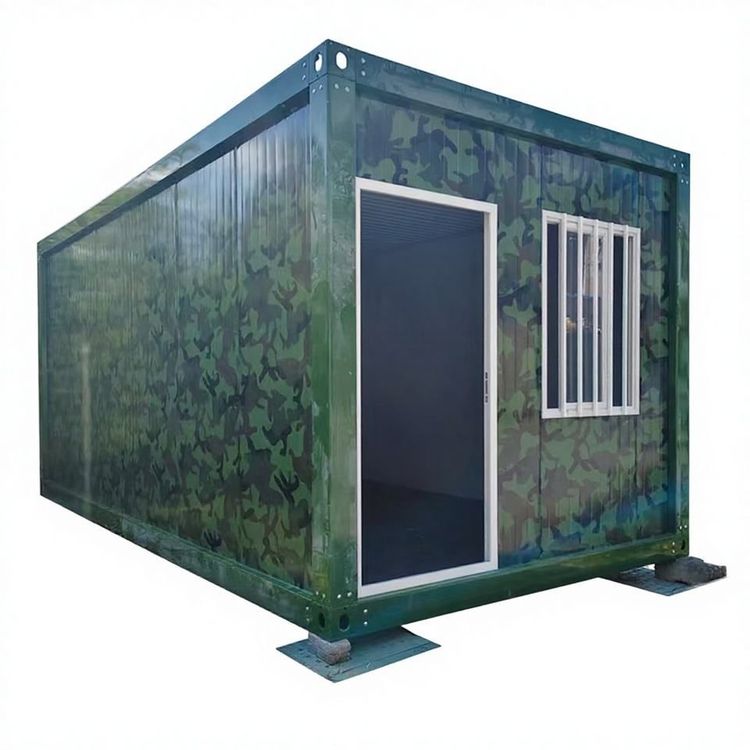
What is a Prefabricated Panel House
A prefabricated panel house, also known as a prefabricated panel building, is a house constructed primarily using prefabricated panels.
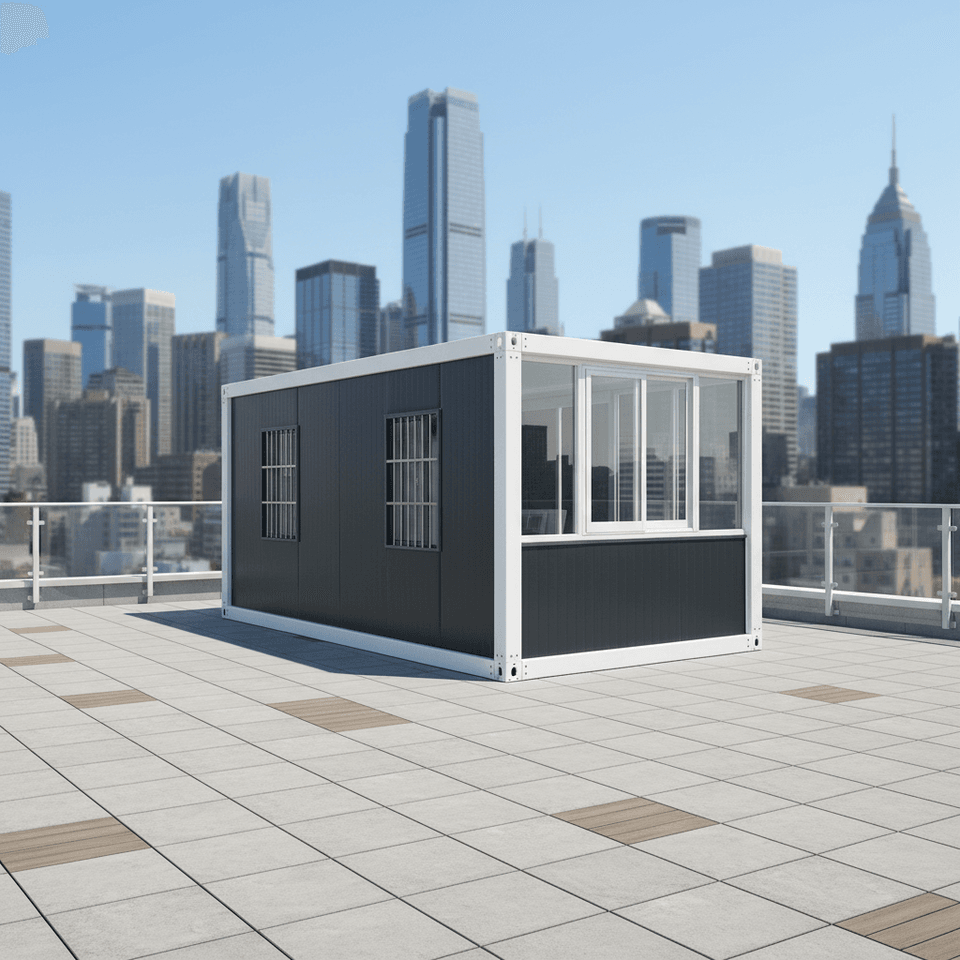
Composition and Types of Prefabricated Panels
Prefabricated panels are cement components manufactured in factories. During production, a wooden mold is first nailed together, then steel reinforcement bars are laid out, and finally, cement is poured to form the panel. These panels come in two types: solid and hollow. The hollow structure achieves lightweighting by reducing the concrete in non-load-bearing parts, ensuring a certain level of strength while reducing the overall weight for easier transportation and installation.
Development History and Application Scenarios
This form of construction originated in the early 20th century and was initially used mainly for floor slabs and roof insulation layers. In China, residential buildings constructed before 1985 often adopted this structure, playing a crucial role in rapidly addressing housing demands at the time.
Construction Method
The construction method for prefabricated panel houses is highly efficient. The cement panels are manufactured in advance in factories and then transported to the construction site, where they are pieced together one by one using cranes. Compared to traditional construction methods, this approach significantly shortens the construction period and improves construction efficiency.
Issues and Service Life
Prefabricated panel houses have some notable drawbacks. Their earthquake resistance is relatively weak, making the building structure vulnerable to damage during natural disasters such as earthquakes, posing a threat to the safety of occupants. Additionally, their sound insulation and thermal insulation performance are poor, affecting living comfort. Generally, the service life of a prefabricated panel house is approximately 30 to 50 years. Over time, the building may experience various aging issues.
Current Situation and Policies
With the advancement of construction technology, cast-in-place concrete and prefabricated buildings have gradually replaced traditional prefabricated panel houses. Since 2022, China has implemented a policy of renovating old buildings, focusing on repairing and upgrading prefabricated panel houses and only demolishing those that meet the criteria for dangerous buildings. The 2025 regulations specify that only three types of houses will be demolished: severely dilapidated buildings at the prefectural level, buildings obstructing urban planning (known as "nail houses"), and old buildings over 25 years old where renovation costs exceed demolition costs. The remaining 80% will primarily undergo renovation.