
What is a Mobile Toilet
A mobile toilet is a facility that can be moved as a whole, does not require traditional water flushing, and uses physical, biological, or chemical technologies to treat waste, providing toilet services to the public. Internationally, it is known as a 'non-sewered sanitation toilet,' and in China, it is often referred to as an 'environmentally friendly toilet' or 'ecological toilet.'
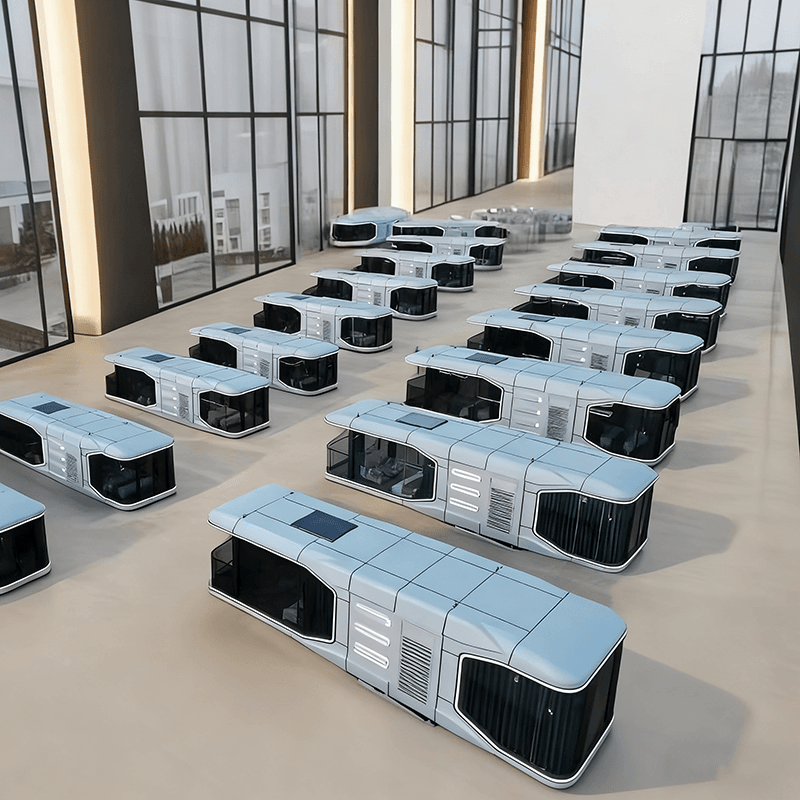
Core Functions and Technical Features
Mobile toilets break away from the reliance on water flushing systems in traditional toilets, employing physical, biological, or chemical technologies as alternatives. For example, mechanical packing models collect waste in sealed bags; microbial degradation models utilize specific bacterial strains to decompose excreta; foam sealing models cover the toilet surface with foaming liquid to block odors; vacuum suction models use negative pressure to quickly draw in waste; and chemical agent models achieve harmless treatment through disinfectants. These technologies not only achieve water-saving goals but also reduce waste volume by 60%-90% and eliminate pathogens through high-temperature sterilization and biological decomposition, meeting reduction and harmless treatment standards.
Types and Suitable Scenarios
Based on technical principles, mobile toilets can be classified into mechanical packing, microbial degradation, foam sealing, vacuum suction, and chemical agent types, among others. They have a wide range of applications:
- High-density population areas: Stations, docks, tourist attractions, commercial streets, and other locations where rapid deployment can alleviate toilet pressure;
- Resource-scarce areas: Arid regions, rural areas, ecological reserves, and other areas without water and sewer systems, addressing basic sanitation needs;
- Temporary venues: Construction sites, exhibitions, campsites, and other short-term event locations, avoiding the construction costs of traditional toilets;
- Extreme environments: Low-temperature, high-altitude areas, or powerless scenarios, ensuring operation through insulation design and solar power supply technologies.
For example, in rural revitalization projects, microbial degradation mobile toilets can reduce sewage discharge and protect the rural ecological environment; in natural scenic spots, foam sealing toilets reduce ecological interference through water-saving designs.
Social and Environmental Value
The promotion of mobile toilets holds significant implications for public health improvement, resource conservation, and ecological protection. Their characteristic of not requiring connection to water and sewer pipes greatly reduces construction costs and time, making them particularly suitable for emergency relief and large-scale events. Meanwhile, through harmless waste treatment, they can reduce pollution to soil and water sources, contributing to the achievement of 'dual carbon' goals. For example, in organic farms, the decomposed excreta can be directly used as fertilizer for circular utilization, forming an ecological loop.



