What is Fully Prefabricated House Construction
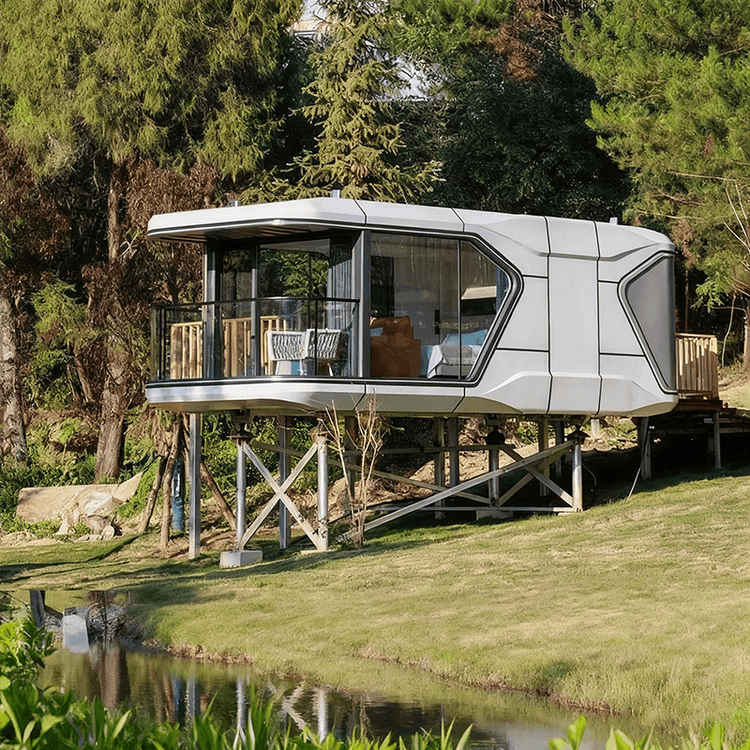
Fully prefabricated house construction is a building method that involves industrial production of building components and on-site assembly. It is also known as modular construction or prefabricated assembly construction. The core of this approach is to break down the building into independent modules, complete the prefabrication of all components, including ceilings, floors, and water and electricity pipelines, in a factory, and then transport them to the construction site for assembly. This building method breaks through the limitations of traditional on-site construction and achieves a deep integration of building industrialization and standardization.
Common Types and Characteristics
Modular Housing
The entire modules are manufactured in a factory and directly assembled on-site. These buildings typically use steel frames, have a high degree of integration of interior decoration and equipment, and can quickly form complete living spaces, suitable for permanent residences or commercial buildings.Prefabricated Panel Houses
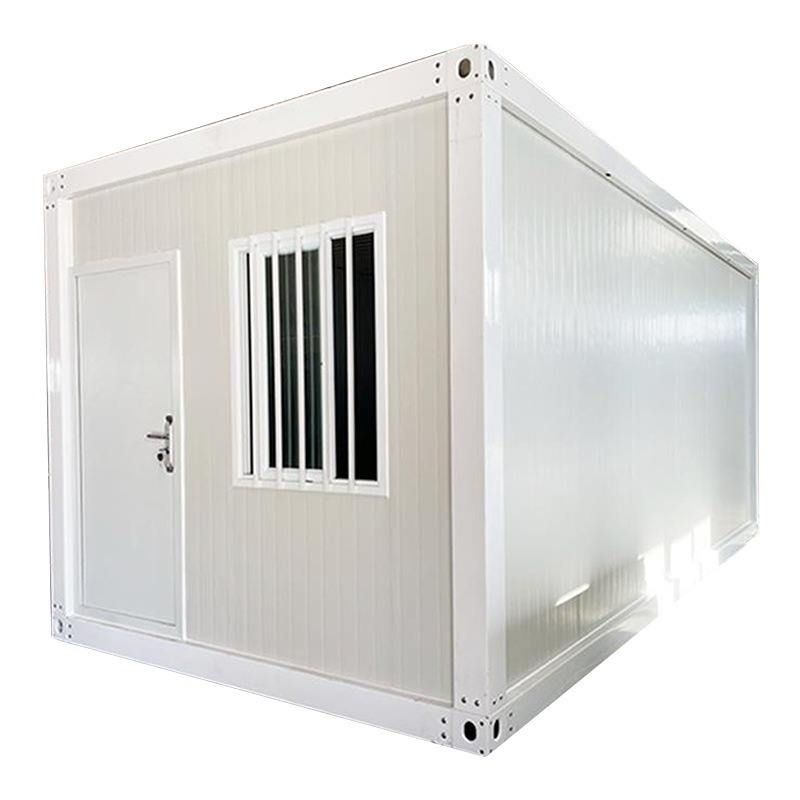
These houses mainly use prefabricated concrete panels or light steel structures, with highly standardized components and easy installation. Their advantages include lower costs and shorter construction periods, making them commonly used for temporary buildings, construction site dormitories, or post-disaster reconstruction scenarios.Container Houses
These houses use discarded or new containers as the main body, which are modified into residences through cutting, welding, reinforcement, and other processes. Container modules have high strength and stackability, making them suitable for mobile buildings or creative space designs.Wood-Structured Prefabricated Houses
These houses use wood as the primary material, emphasizing environmental protection and a natural style. Wood components are prefabricated in a factory and then assembled on-site, combining thermal insulation performance with low-carbon attributes, and are mostly used for low-rise residences or eco-tourism projects.
Core Advantages
- Short Construction Period: Factory prefabrication and on-site construction are carried out simultaneously, reducing the construction period by more than 50%.
- Cost Control: Standardized components reduce material waste, and labor costs are reduced by about 30%.
- Environmental Protection and Energy Efficiency: Factory production reduces dust and noise pollution, and modules can be disassembled and reused.
- Stable Quality: The industrial production environment ensures the precision of components and avoids on-site construction errors.
- High Flexibility: Modules can be added, reduced, or reorganized according to needs, adapting to different functional scenarios.
Industry Requirements
Fully prefabricated house construction relies on a complete industrial system, including a technical system (such as BIM design and module connection technology), a production system (automated production lines and quality inspection standards), and an industrial cluster (component transportation and on-site installation coordination). Currently, this field has formed a mature industrial chain in developed countries, and China is promoting large-scale applications through policy guidance and technological innovation.
You may also like

Portable Toilet Quality: Types, Features & Buying Tips
Read More
Portable Toilet Size Picture Specifications: Size, Area & Layout
Read More
How to Import Portable Toilet Movable from China: A Guide for Buyers
Read More