
What Does Prefabricated House Slab Mean?
A prefabricated house slab is a pre-made concrete component produced in a factory in advance. It is manufactured and processed in a prefabrication yard and then directly transported to the construction site for use in building floors, roof slabs, and other parts.
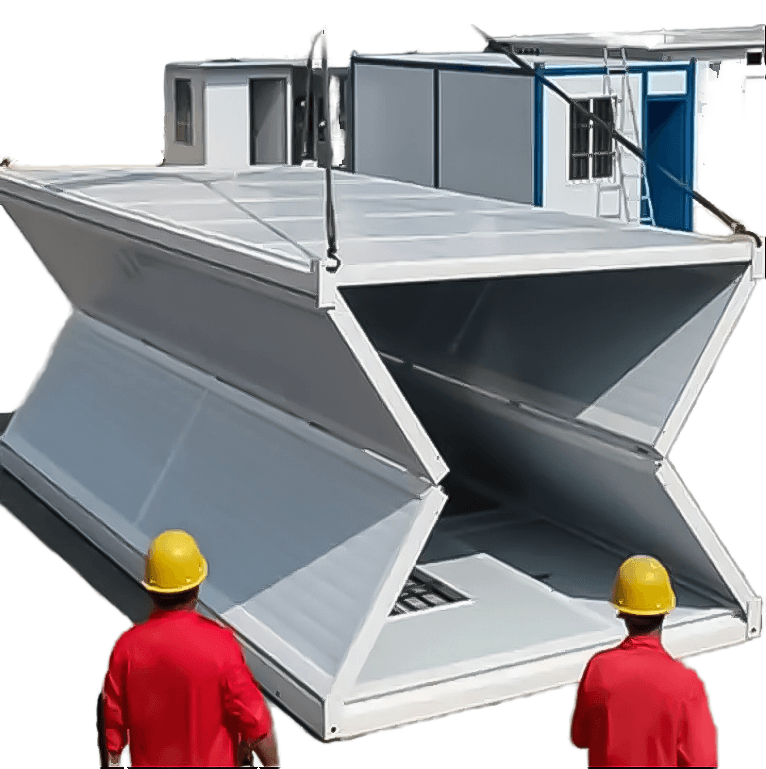
Production Process
When making a prefabricated house slab, workers first build a hollow mold out of wood. This mold provides a specific shape and space for the subsequent concrete pouring. Next, steel bars are inserted as the framework. These steel bars can enhance the strength and load-bearing capacity of the prefabricated slab, enabling it to withstand the weight of the building and various external forces. After that, cement is poured into the mold. Once the cement dries and reaches a certain strength, the mold is removed, and a prefabricated slab is completed.
Development History
Prefabricated slabs originated in the construction field in the early 20th century. In the 1970s and 1980s in China, due to the urgent need for a large number of houses to meet people's living demands, and because prefabricated slabs were inexpensive and quick to produce and install, they were widely used. At that time, a large number of prefabricated slab houses were built across the country, which to some extent alleviated the housing shortage.
Advantages and Disadvantages
- Advantages: Prefabricated slabs are produced centrally in factories, which can ensure certain quality standards. Moreover, they have high production efficiency and can quickly meet the needs of construction sites, shortening the construction period.
- Disadvantages: Their service life is relatively short, approximately 30 - 50 years. As the usage time increases, prefabricated slabs will show signs of aging, such as surface flaking. In terms of seismic performance, prefabricated slabs perform poorly. When an earthquake occurs, the connections between the slabs are prone to loosening, causing the building structure to collapse. In addition, the joints between the slabs are prone to water leakage, affecting the normal use of the house.
Current Situation
With the continuous development of construction technology, cast-in-place slabs have gradually become the mainstream in the construction field. Cast-in-place slabs are formed by directly pouring concrete on the construction site, and their integrity and seismic performance are superior to those of prefabricated slabs. Since 2022, China has implemented a policy of old community renovation. For prefabricated slab houses, the main approach is repair and renovation. Only when the building reaches the dangerous building standard will it be demolished.



