
What Belongs to Prefabricated House Materials
Prefabricated house materials mainly include prefabricated concrete components, steel, wood, thermal insulation and waterproof materials, as well as prefabricated steel components and prestressed concrete components, etc.
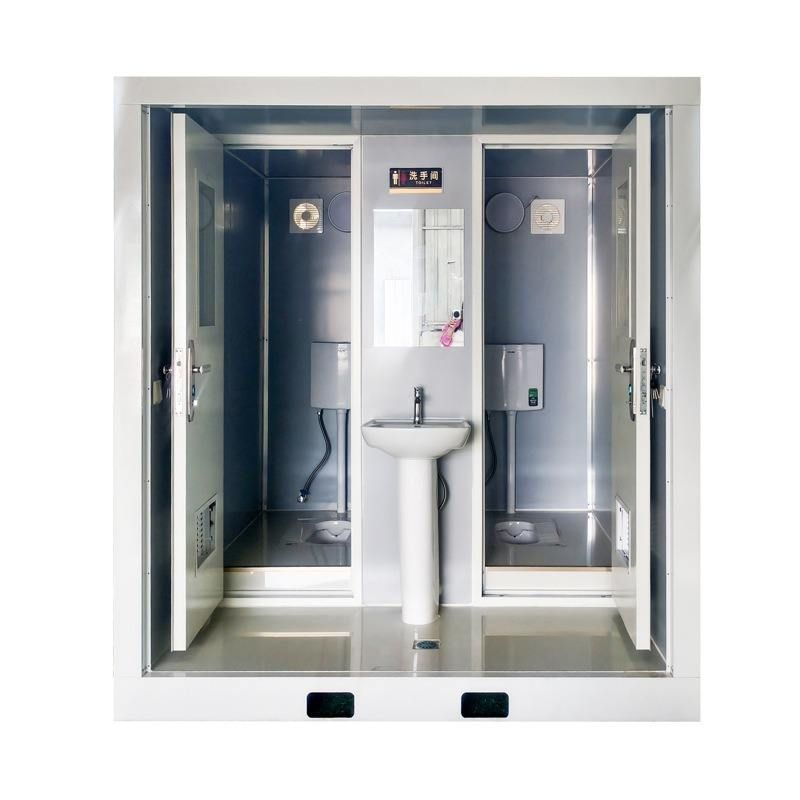
Prefabricated Concrete Components
As one of the core materials for prefabricated houses, prefabricated concrete components are pre-made in factories using standardized molds and processes. Their advantages lie in high dimensional accuracy, stable and controllable quality. They can be directly assembled after being transported to the construction site, significantly shortening the construction period. These components are typically used in load-bearing parts of the house such as foundations, walls, and floors. Through precise mechanical design, they meet building safety requirements while reducing environmental pollution caused by on-site wet operations.Steel
Steel is a key material for constructing the framework and support structures of houses, possessing high strength, ductility, and plasticity. Through welding or bolt connections, steel can quickly form a stable framework system that can withstand both vertical loads (such as floor weight) and horizontal forces (such as wind loads and seismic actions). Its modular nature greatly enhances construction efficiency, making it particularly suitable for high-rise or large-span prefabricated buildings.Wood
Wood is primarily used for interior decoration and furniture making, adding a natural ambiance to the house with its natural texture and warm tones. As a renewable material, wood offers good thermal insulation properties (low thermal conductivity) and sound insulation effects, enhancing living comfort. In prefabricated houses, wood is often processed into wall panels, floors, or decorative components, complementing concrete and steel to meet both functional and aesthetic needs.Thermal Insulation and Waterproof Materials
Thermal insulation materials (such as foam concrete and polystyrene foam) reduce energy consumption by minimizing heat transfer, improving the energy efficiency of the house. Waterproof materials (such as waterproof membranes and coatings) form a continuous barrier to prevent water penetration and structural damage. These two types of materials are usually installed simultaneously with the main structure to ensure long-term dryness and safety of the building, especially in humid or rainy regions.Prefabricated Steel Components and Prestressed Concrete Components
Prefabricated steel components combine the high strength of steel with the precision of factory production, making them suitable for quickly erecting temporary buildings or industrial plants. Prestressed concrete components enhance crack resistance and load-bearing capacity by pre-applying tensile stress, while also reducing self-weight for easier transportation and installation. These two types of materials further expand the application scenarios of prefabricated houses, meeting diverse geographical and functional requirements.



