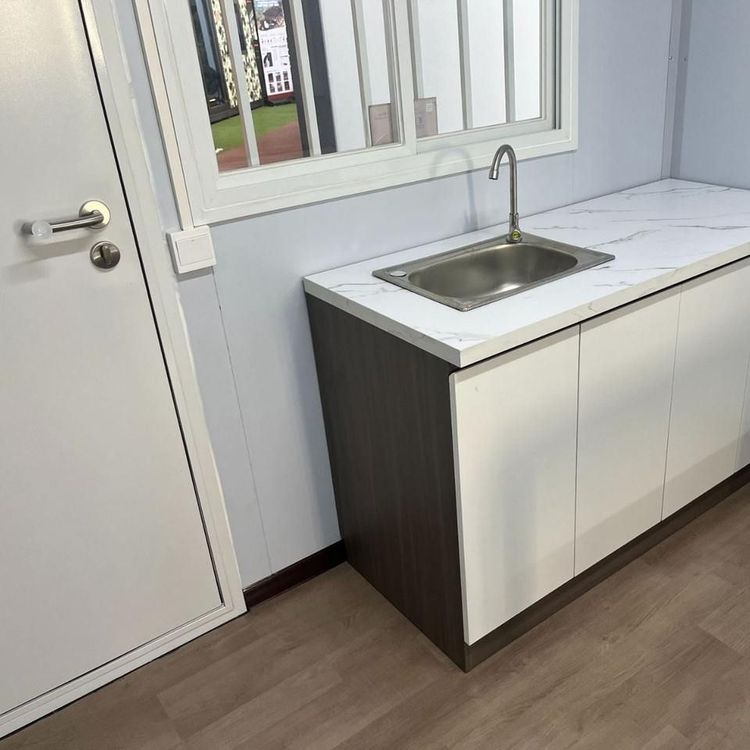
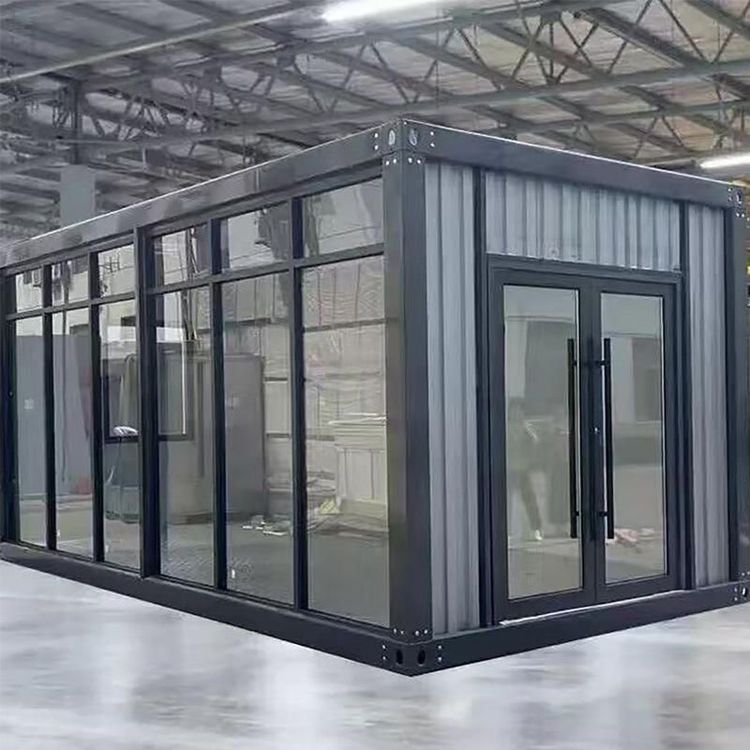
Wenzhou Single-Person Mobile Toilet
Wenzhou single-person mobile toilets fall within the category of portable restrooms or mobile toilets, and their design, application, and maintenance require comprehensive consideration based on functional requirements and environmental characteristics.

I. Basic Composition and Types
The core structure of Wenzhou single-person mobile toilets includes the enclosure, sewage disposal system, and functional accessories. The enclosure is mostly made of metal (such as stainless steel) or composite materials, featuring a modular design that facilitates quick assembly, disassembly, and transportation, enabling flexible deployment in various scenarios. The sewage disposal system is divided into three categories:
- Flush-type: It relies on water flow to flush away waste, which is stored in a sewage storage tank and requires regular removal. It is suitable for long-term projects with a stable water supply (such as construction sites).
- Vacuum-type: It uses air pressure differences to draw waste into a collection device, saving water and providing good odor control. It is suitable for short-term events with high foot traffic (such as fairs).
- Biodegradable-type: It decomposes solid waste through microorganisms or chemical agents, reducing dependence on water supply. It is suitable for scenarios with water scarcity or high environmental protection requirements (such as outdoor music festivals). The functional accessories include ventilation systems, lighting fixtures, and handwashing stations, and their configuration directly affects the user experience. For example, ventilation systems can reduce odors, and lighting fixtures enhance convenience for nighttime use.
II. Application Scenario Selection
When renting, the type of toilet should be matched according to the type and duration of the event:
- Short-term outdoor events (such as festivals and fairs): Lightweight biodegradable-type toilets should be prioritized to reduce dependence on water supply and sewage disposal facilities while lowering transportation costs.
- Long-term fixed projects (such as construction sites and scenic spots): Flush-type or vacuum-type toilets equipped with large-capacity sewage storage tanks are suitable to reduce the frequency of waste removal. Foot traffic calculation is crucial, and a balance must be struck between the number of toilet units and the waste removal cycle. For example, during peak periods, one toilet unit should be provided for every 50-100 people, and waste should be removed daily or every other day to prevent overflow.
III. Environmental Adaptability Maintenance
The climate in Wenzhou poses special requirements for the durability of mobile toilets:
- Rust and moisture prevention: Metal components should be coated with anti-corrosion coatings (such as epoxy resin) to prevent rusting in humid and rainy environments.
- Wind resistance and fixation: During the typhoon season in summer, mobile toilets should be reinforced with ground anchors and weight blocks to prevent being overturned or displaced by strong winds.
- Salt spray protection: In coastal areas with high salt content in the air, seals (such as door seams and sewage outlets) and connections should be regularly inspected, and aging components should be replaced to extend the service life.
Through scientific selection and environmental adaptation, Wenzhou single-person mobile toilets can efficiently meet temporary sanitation needs while reducing maintenance costs and environmental impacts.