
Wenzhou Rural Mobile Toilet
The selection of mobile toilets in rural areas of Wenzhou should be based on a comprehensive consideration of actual needs, sewage disposal methods, and environmental adaptability.
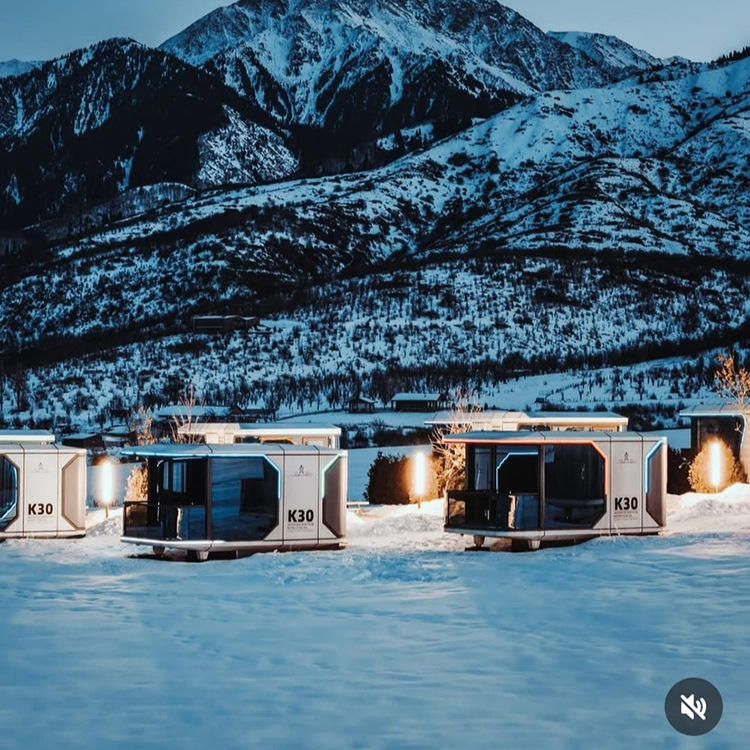
I. Applicable Scenarios and Rental Types Mobile toilet rental services in Wenzhou cover rural construction sites, fairs, festivals, and other scenarios. Their modular box structures (made of metal or composite materials) facilitate disassembly and transportation, adapting to changes in rural site conditions. For short-term outdoor events (such as fairs and festivals), it is recommended to choose lightweight biodegradable toilets that do not require water supply and are easy to move. For long-term fixed projects (such as construction sites), water-flush or vacuum toilets equipped with large-capacity sewage storage tanks should be installed, and the balance between the number of toilet units and the frequency of sewage removal should be calculated based on peak foot traffic.
II. Sewage Disposal System Selection Rural areas can choose from three sewage disposal methods based on resource conditions:
- Water-flush: Relying on water flow for flushing, waste is stored in sewage storage tanks and requires regular removal. This method is suitable for scenarios with sufficient water supply and a need for cleanliness, but requires supporting sewage removal services.
- Vacuum: Utilizing air pressure differences to draw waste into collection devices, this method saves water and reduces odors, but has higher maintenance requirements. It is suitable for projects with high hygiene standards and maintenance capabilities.
- Biodegradable: Solid waste is decomposed by microorganisms or chemical agents, requiring no water supply and suitable for water-scarce or outdoor environments. However, decomposition efficiency is affected by temperature, and longer processing times are required in low-temperature environments.
III. Environmental Adaptability Design Given Wenzhou's rainy and humid climate, mobile toilets in rural areas need to focus on strengthening the following protections:
- Rust and moisture resistance: Metal components should be treated with anti-corrosion coatings to prevent rusting caused by long-term humidity.
- Wind resistance and fixation: During the summer typhoon season, the box structure should be reinforced, and ground anchors or counterweights should be used to prevent displacement by strong winds.
- Salt corrosion resistance: In coastal rural areas with high air salt content, seals and connections should be regularly inspected, and aging components should be replaced to extend service life.
IV. Maintenance and Management Points When renting mobile toilets, maintenance responsibilities should be clearly defined: water-flush toilets require regular sewage tank removal; vacuum toilets require inspection of air pressure equipment; and biodegradable toilets require replenishment of microbial agents. Meanwhile, rural areas should train operators to ensure correct use of the sewage disposal system, avoiding equipment failures or environmental pollution caused by improper operation.



