
Mobile Toilets in the Municipal District of Wenzhou
Information about mobile toilets in the municipal district of Wenzhou covers various aspects such as brands, types, technologies, leasing, and maintenance.
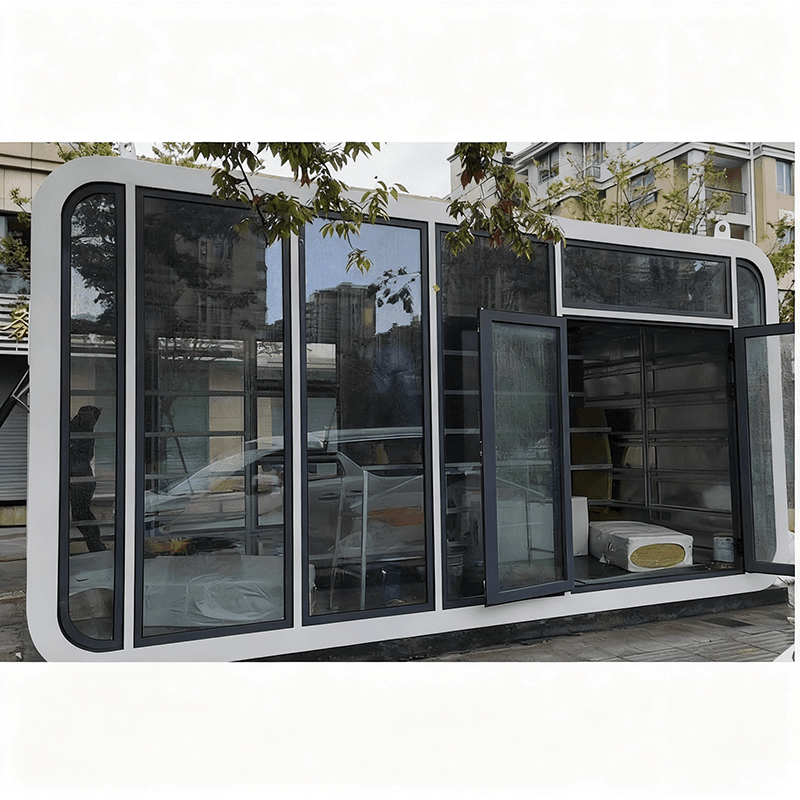
Brands and Types: There are numerous mobile toilet brands in Wenzhou, including Xuhu, Changjiu Environmental Protection, and Yibingsi. The types are diverse, encompassing mobile toilets, eco-friendly toilets, container toilets, and simple toilets, which can meet the needs of different scenarios.
Materials and Uses: The materials include stainless steel, steel structures, color-coated steel, aluminum alloys, and plastics, which are rust-resistant and durable. They are widely used in scenarios such as mobile toilets, outdoor restrooms, and public restrooms.
Composition and Technologies: They are composed of a box structure, a sewage discharge system, and functional accessories. The box is mostly made of metal or composite materials, with a modular design for easy disassembly and transportation. The sewage discharge systems include water-flushing, vacuum, and biodegradable types. The water-flushing type relies on water flow to flush and stores the waste in a sewage tank, requiring regular removal. The vacuum type uses air pressure differences to extract waste, reducing water consumption but having high maintenance requirements. The biodegradable type decomposes solid waste through microorganisms or chemical agents, suitable for water-scarce outdoor environments, but the decomposition efficiency is affected by temperature. Functional accessories include ventilation, lighting, hand-washing, and other auxiliary facilities.
Leasing Scenario Configurations: For short-term outdoor events such as fairs or festivals, lightweight biodegradable toilets can be chosen to reduce water supply dependence. For construction sites or long-term projects, water-flushing or vacuum toilets with larger sewage storage capacities are suitable. At the same time, the peak foot traffic should be considered to balance the number of toilet units and the frequency of waste removal.
Transportation and Installation Conditions: During transportation, the road width and load-bearing limits need to be evaluated, especially in mountainous areas or old neighborhoods. Installation requires a flat and stable ground to prevent the box from tilting due to soft soil. The distance to water and electricity access points affects the operating costs, and self-contained water tanks and generators are required in areas without a fixed water supply.
Maintenance and Management Elements: This involves cleaning, disinfection, and waste disposal. The cleaning frequency is adjusted according to the usage intensity. The choice of disinfectants should consider both corrosiveness and environmental safety. Waste disposal must comply with local sanitation regulations to ensure sealed transportation and legal disposal.
Hidden Leasing Costs: Hidden costs in leasing contracts may include compensation for accidental damage, extreme weather protection, and early termination penalties. If the party responsible for waste removal is not clearly specified, additional coordination costs may arise. It is advisable to clarify details such as fault response times and backup equipment allocation mechanisms.



