
Weisu Container House
Weisu container houses are a modular, movable prefabricated building form that uses containers as the basic unit. They are efficiently constructed through factory prefabrication and rapid on-site assembly, widely applied in cultural tourism resorts, construction site temporary buildings, emergency shelters, and other scenarios.

1. Core Features and Advantages Weisu container houses are based on standardized containers as structural foundations, adopting a modular design concept. Core components such as the main frame, interior and exterior wall panels, and electrical systems are prefabricated in the factory. On-site, they only require foundation leveling followed by hoisting and assembly. Their core advantages include:
- Rapid Construction: Over 90% of the work is prefabricated in the factory, reducing on-site construction time by more than 60% compared to traditional buildings. For example, Zhejiang Hangxing's 6-person dormitory module can be assembled by 6 workers in just 8 hours.
- Flexible Adaptation: They support single-story, double-story, or multi-story stacking and can be combined into functional spaces of different scales according to needs, such as dormitories, offices, and bathroom modules.
- Environmental Sustainability: The main materials are mostly recyclable galvanized steel plates, with fire-resistant rock wool filling the wall panels. Construction waste is reduced by 90%, and material recycling rates exceed 90%.
- Economic Efficiency: The total lifecycle cost is lower than that of traditional temporary buildings. A single container can withstand a roof load of 1.2 tons, has a service life of 15-20 years, and supports multiple disassemblies and relocations.
2. Typical Application Scenarios
- Cultural Tourism Resort Sector: Brands like VESSEL Weisu offer high-end resort camp products that integrate modular residences, service centers, and other functional modules to create a luxurious travel and living space.
- Construction Site Temporary Building Market: Enterprises such as Shengshan Integrated and Zhejiang Hangxing provide standardized worker dormitories equipped with electrical circuits, ventilation, and bathroom facilities to meet the rapid deployment needs of infrastructure projects.
- Emergency Shelter Scenarios: The moisture-proof, fire-resistant, and earthquake-resistant properties of container houses make them ideal for disaster relief and temporary medical facilities.
3. Technological Innovation and Upgrade Directions Some enterprises have integrated IoT and new energy technologies into container house design, such as incorporating photovoltaic panels for self-sufficient power generation or using smart door locks and environmental monitoring systems to enhance management efficiency. Additionally, customized solutions like oxygen supply systems and anti-corrosion coatings have been developed for special environments such as high altitudes and coastal areas.
You may also like

Portable Toilet Used For Sale in 2026: Buying Guide & Recommendations
Read More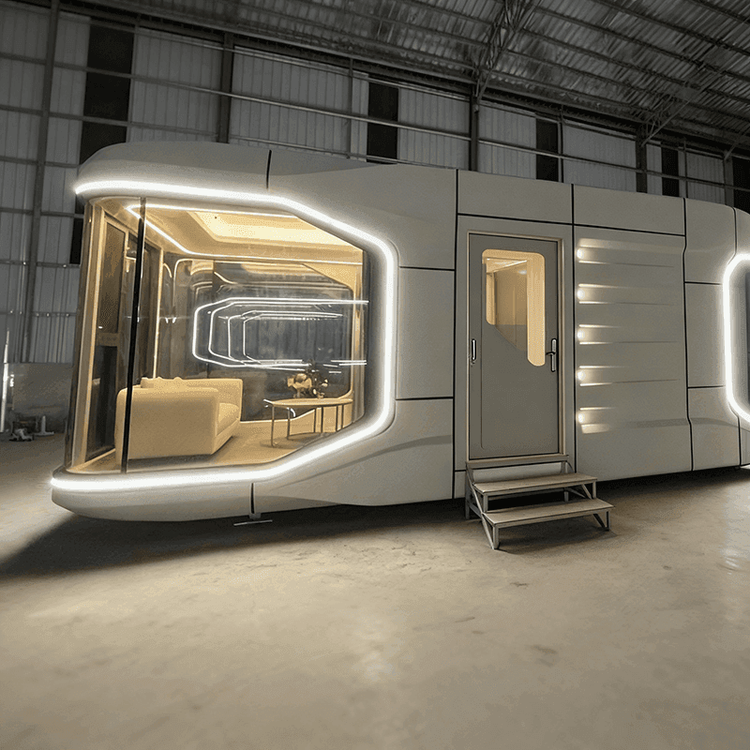
Portable Toilet Specifications Model Sizes & Dimensions: A Complete Guide
Read More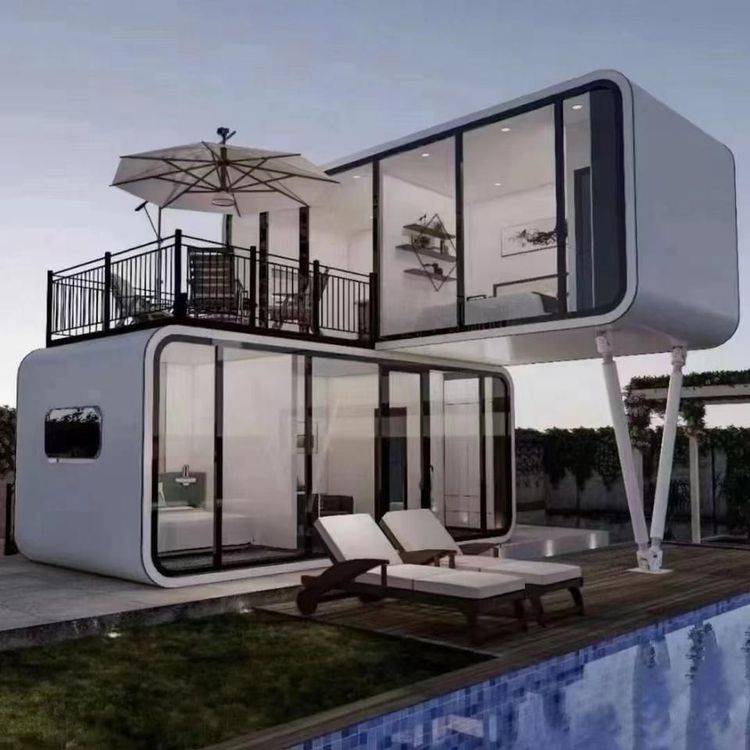
The Ultimate Guide to Container House Conversion
Read More