
Weight of Single-Person Portable Toilet
The weight of a single-person portable toilet typically ranges from 50 kilograms to 500 kilograms, with specific values varying depending on the material, size, and functional configuration. Here are the weight ranges and characteristics of different types of single-person portable toilets:
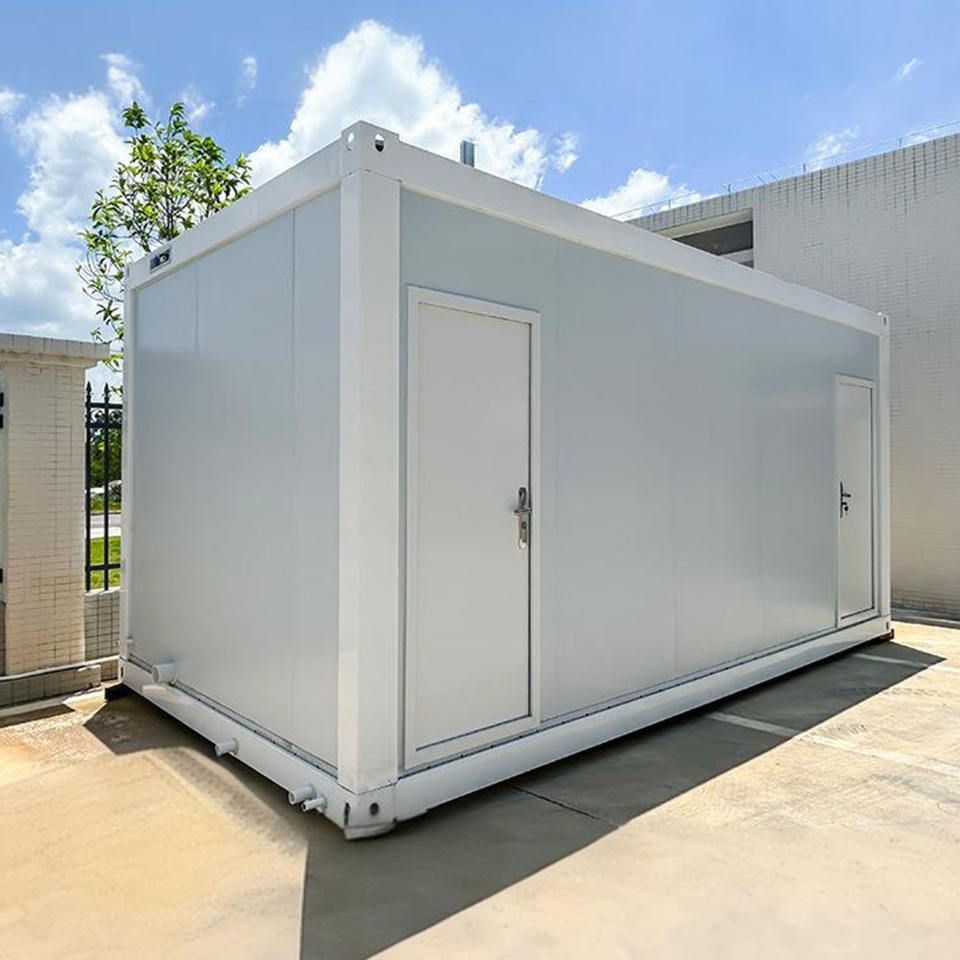
1. Lightweight Model
The lightweight single-person portable toilet weighs approximately 50 kilograms. It is usually made of lightweight materials such as aluminum alloy or high-strength plastic, with a simplified structure to reduce weight. This type of toilet is suitable for short-term use by one or two people and is commonly found at small events, temporary construction sites, or outdoor camping scenarios. Its advantage lies in its ease of manual handling, allowing for quick deployment without the need for mechanical assistance.
2. Composite Material Model
A single-person portable toilet with a main frame made of high-strength composite materials weighs about 102 kilograms. The typical dimensions of such a toilet are 1000×1000×2400 millimeters. By optimizing the material ratio and structural design, it maintains structural stability while controlling weight. Composite materials are corrosion-resistant and aging-resistant, making them suitable for long-term outdoor use, commonly found in scenic spots, municipal streets, and other settings.
3. Plastic Material Model
The weight range of plastic single-person portable toilets is quite broad, approximately from 100 to 500 kilograms. Among them, low-end products may only use a single-layer plastic structure, weighing close to 100 kilograms; while high-end models may increase weight to 500 kilograms through thickened walls, added reinforcing ribs, or integrated water storage systems and other functional configurations. These toilets are widely used in temporary venues such as parks and small exhibitions due to their low cost and ease of cleaning. However, when the weight is large, they require the assistance of forklifts or lifting equipment for handling.
Core Factors Influencing Weight Differences
Material is the primary variable affecting weight: Metal materials like aluminum alloy have high density but are used in small quantities; composite materials achieve lightweight through fiber reinforcement; and pure plastic structures rely on thickness to control strength. Additionally, functional configurations (such as whether equipped with a sink or the capacity of the fecal storage tank) and dimensions (height, width) also significantly impact the final weight. For example, increasing the capacity of the fecal storage tank may increase the weight by 20%-30%, while expanding the usable space requires thicker support structures, further increasing the weight.



