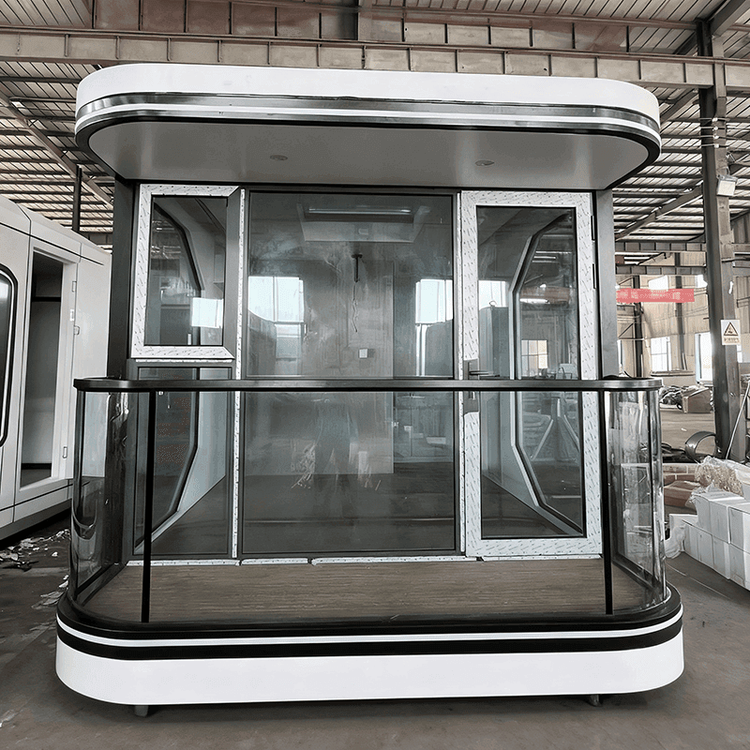
Waterproof Requirements Inside Container Houses
The waterproofing inside container houses must meet various conditions, including waterproof rating, material and workmanship, testing standards, industry standards, environmental adaptability, and maintenance requirements. Details are as follows:
Waterproof Rating: High-quality container houses typically require a waterproof rating of IPX4 or higher, ensuring indoor dryness under heavy rain conditions with a precipitation rate of 100 millimeters per hour, guaranteeing waterproof performance in extreme weather.
Materials and Workmanship:
- Roof Waterproofing: Utilize high-performance waterproof membranes (such as SBS modified bitumen membranes, PVC waterproof membranes with a thickness of 1.5-2.5 millimeters) or coating waterproofing (such as 'one fabric, two coats' or 'multiple coats'), with seams treated with sealant; a rigid waterproof layer (such as cement-based waterproof coating) can also be added to enhance durability.
- Wall Waterproofing: Fill gaps with sealing strips or polyurethane foam, and apply waterproof coatings to wall panels (such as color-coated steel sheets); focus on inspecting welded seams, edge seals, and reinforce treatment at vulnerable areas prone to water infiltration, such as door and window openings and wall corners.
- Floor Waterproofing: Lay waterproof membranes or coatings and design a proper drainage system to prevent groundwater or rainwater infiltration.
- Seam Treatment: Seal the seams between containers with specialized sealant or waterproof tape to ensure no gaps or hollows, improving overall waterproof effectiveness.
Testing Standards:
- Simulated Rainfall Test: Use sprinkler equipment to simulate heavy rainfall for over 4 hours; no leakage indoors is considered qualified.
- Wind Pressure Resistance Test: Check the stability of waterproof performance under conditions of wind at force 10 accompanied by rainfall.
Industry Standards: According to the 'Technical Code for Building Waterproofing Engineering' (GB50345) and the 'Technical Standard for Container Houses' (CECS 334), no leakage is required within 5 years under normal use conditions.
Environmental Adaptability: In high-temperature, high-humidity, or coastal salt-spray environments, materials with stronger weather resistance (such as EPDM rubber membranes) should be selected to adapt to special climatic conditions.
Maintenance Requirements: Regularly inspect sealants and waterproof layers, promptly repair damaged areas; clean the drainage system to ensure it is unobstructed; if water leakage is detected, repair it immediately and investigate the cause to prevent further damage. Standardized maintenance can extend the waterproof lifespan to over 10 years.