
Business Opportunities for Waterless Packing Mobile Toilets
The business opportunities for waterless packing mobile toilets are mainly reflected in four aspects: environmental protection needs, applicable scenarios, leasing models, and product differentiation.
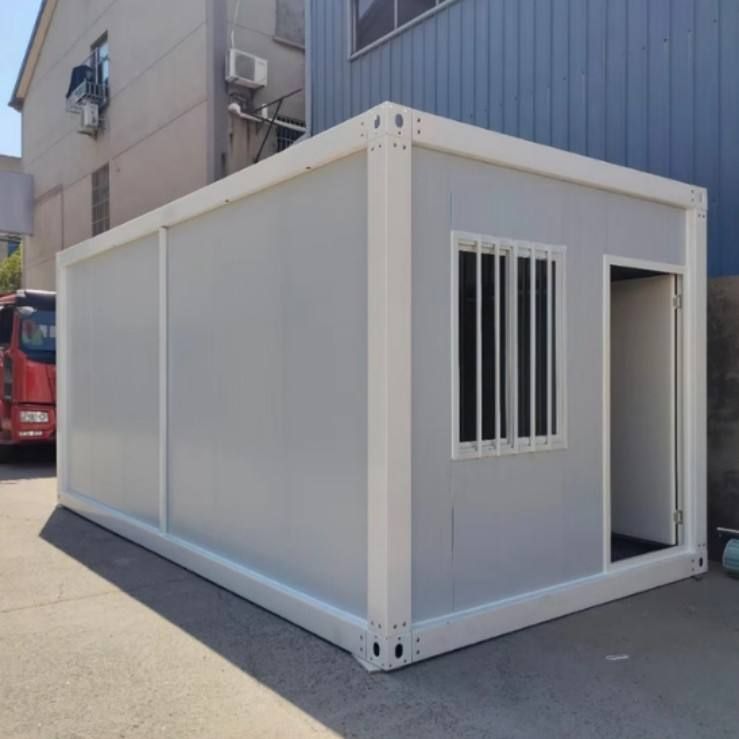
Environmental protection needs drive market growth: Traditional flush toilets rely on a large amount of water resources and complex sewage systems, while waterless packing mobile toilets achieve sealed packing of excrement through physical and mechanical structures, requiring no water throughout the process, thus achieving 'zero water usage' at the source. This characteristic makes them highly practical in areas with scarce water resources, outdoor event venues, mobile construction sites, and scenarios where it is impossible to install water supply and drainage pipes. With the popularization and strengthening of global environmental protection concepts, the market demand for such environmentally friendly facilities will continue to grow, providing manufacturers with long-term and stable market space.
Wide range of applicable scenarios: Waterless packing mobile toilets are designed flexibly and can adapt to various environmental needs. For example, wilderness emergency scenarios require lightweight and rapidly deployable mobile designs; urban public facilities need to focus on structural stability and long-term durability; temporary needs in scenic spots can choose modular assembly designs for flexible adjustment according to peak tourist flows. This wide applicability allows them to penetrate into different fields, from temporary events to fixed facilities, all presenting potential business opportunities.
Leasing models lower the barrier to use: Professional institutions further expand the market by providing leasing and related services for waterless flush packing toilets. The leasing model includes providing equipment leasing, on-site installation, daily maintenance, and regular waste removal services according to customer needs, reducing the initial investment costs and maintenance burdens for users. This model enables environmentally friendly toilets to more flexibly serve various temporary or fixed venues, such as large-scale events and construction sites, thereby expanding market demand.
Product differentiation brings price advantages: There are significant price differences among waterless packing environmentally friendly public toilets, hiding core differences in materials, specifications, and services. For example, steel-framed products have strong wind resistance and long lifespans but come with higher costs; anti-corrosion wood or metal carved panel products have advantages in aesthetics and anti-corrosion properties; customizable-sized public toilets can perfectly fit special venues, but non-standard processing will drive up unit prices. This differentiation provides manufacturers with opportunities to obtain higher profits through product upgrades and customized services, meeting the personalized needs of different customers.



