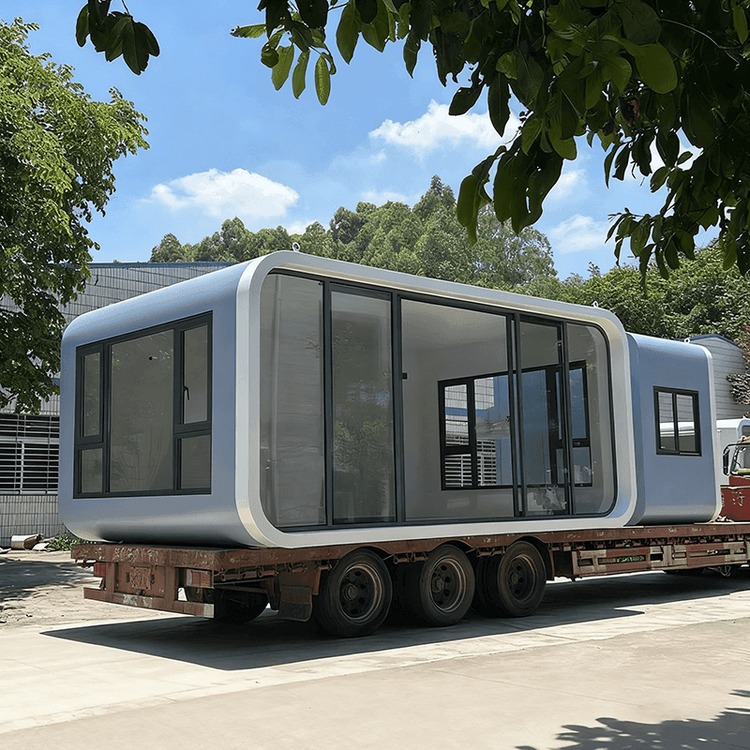
Waterless Mobile Toilet
Waterless mobile toilets mainly refer to waterless ecological toilets that do not require connection to water supply and drainage systems, and they have distinct characteristics that set them apart from some waterless sit-down toilets.
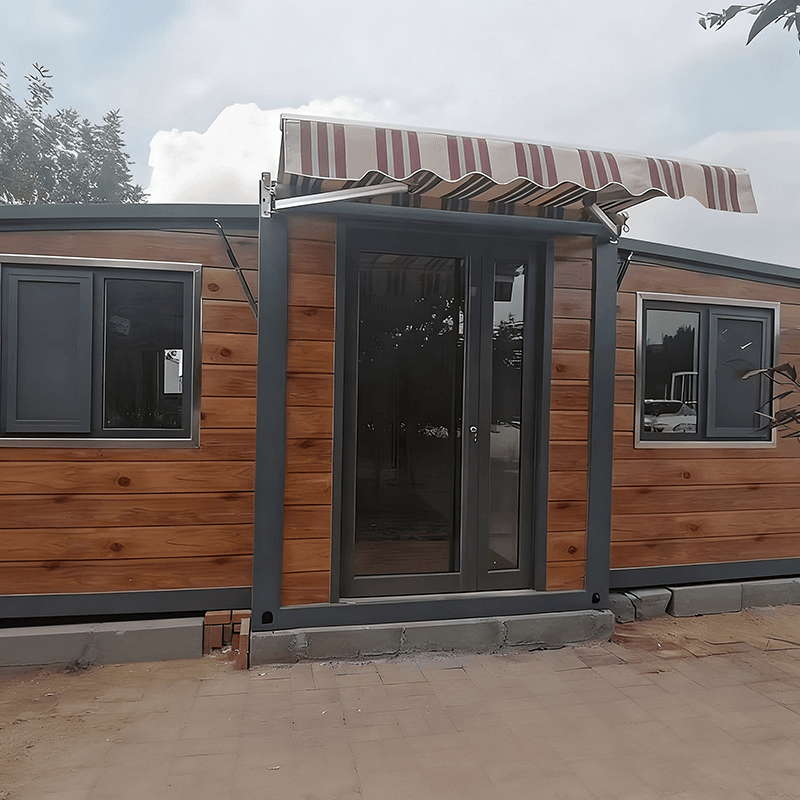
Core Characteristics of Waterless Ecological Toilets
Waterless ecological toilets that do not require connection to water supply and drainage systems are typical representatives of waterless mobile toilets. They have the advantage of large capacity, with a single cycle capable of accommodating up to a thousand users. This characteristic makes them highly suitable for venues with high foot traffic, such as large-scale event sites and tourist attractions, effectively addressing the toilet needs of a large number of people in a short period. Additionally, they do not require an external water supply. The design of their built-in water tanks is not for traditional flushing but rather to work in conjunction with ecological degradation technology. By employing advanced ecological degradation technology, these toilets can achieve zero discharge and zero pollution, converting waste into harmless substances and reducing negative impacts on the environment, aligning with the current concept of green and sustainable development.
Applicability of Waterless Sit-Down Toilets
There is a type of waterless sit-down toilet product that differs from mobile toilets that do not require an external water source. These waterless sit-down toilets typically require direct flushing with municipal tap water and have specific requirements for the usage environment. They are suitable for urban areas where the tap water pressure is ≥0.05MPa, as only under this pressure condition can normal toilet flushing be ensured. Furthermore, they can also be used in self-supplied water environments equipped with pressurization systems, as the pressurization system can increase the water pressure to meet the flushing requirements of the toilet.
Comparison Summary
Waterless ecological toilets have unique advantages in the field of mobile toilets due to their characteristics of no external water supply, large capacity, and zero pollution. They are particularly suitable for venues lacking water supply and drainage facilities. In contrast, although waterless sit-down toilets are also referred to as waterless products, they essentially still rely on tap water for flushing, and their scope of application is relatively narrow, mainly limited to urban areas with a stable tap water supply and water pressure that meets the requirements or self-supplied water environments equipped with pressurization systems.