Waterless Direct Discharge Mobile Toilet
A waterless direct-discharge mobile toilet is an environmentally friendly toilet that can treat waste without traditional water flushing. Its core feature lies in replacing water flushing with physical or biological technologies to reduce water consumption and sewage discharge. The following explains its technical principles, types, and typical cases from three aspects:
In terms of technical principles, the core of a waterless direct-discharge mobile toilet is the innovation in waste treatment methods. Traditional toilets rely on a large amount of water to flush waste, while such toilets achieve "waterlessness" through two main paths: First, physical direct-discharge design, such as using an integrated welding structure to directly collect waste into sealed containers or pipes to prevent leakage; Second, biodegradation technology, which uses microorganisms to decompose organic matter, converting feces into harmless substances (such as carbon dioxide and water) to achieve zero pollution discharge. Some products also combine vacuum adsorption or gravity separation technologies to further optimize waste collection efficiency.
In terms of type classification, according to the technical path, they can be divided into two types:
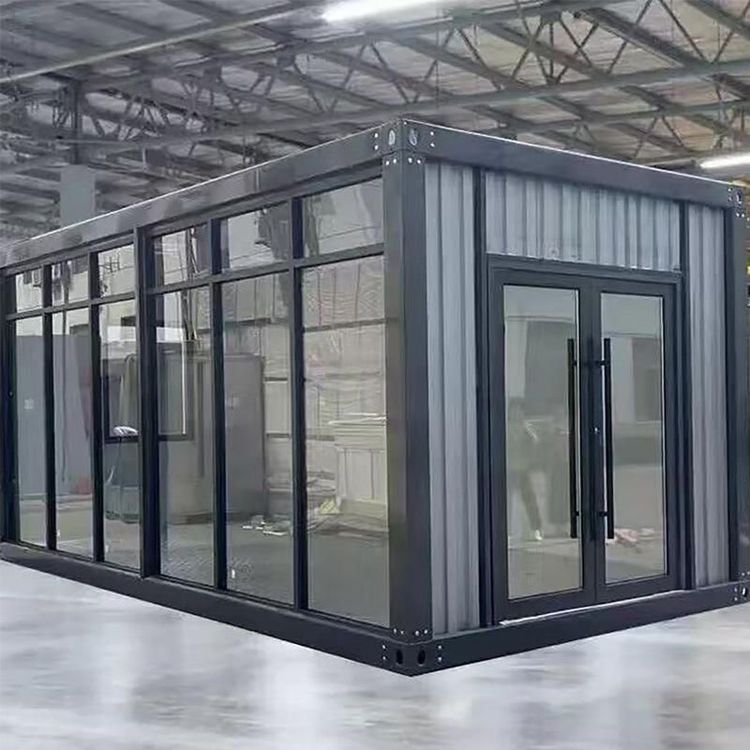
- Direct-discharge mobile toilets: With physical sealing as the core, they ensure no waste leakage by optimizing structural design (such as integrated welding), suitable for short-term and low-frequency use scenarios (such as temporary construction sites and outdoor activities). Their advantages include low cost and simple maintenance, but the collection containers need to be cleaned regularly. For example, the direct-discharge integrated welding toilets produced by Chongqing Baiyihengjiu Metal Products Co., Ltd. have a starting order price of 1380 yuan, with stable quality and novel styles.
- Waterless ecological toilets: They adopt ecological degradation technology, accelerate feces decomposition by adding microbial agents, and maintain internal environmental balance with built-in water tanks or natural ventilation systems. Such toilets can serve thousands of people in a single cycle and do not require an external water source, suitable for water-scarce areas or high-frequency use scenarios (such as scenic spots and remote communities). Their core advantage is zero pollution discharge, but the initial cost is relatively high, and microbial agents need to be replenished regularly.
Among typical cases, direct-discharge mobile toilets are represented by the products of Chongqing Baiyihengjiu, emphasizing structural stability and economy; while waterless ecological toilets focus more on environmental protection performance. For example, a certain brand has shortened the decomposition cycle to 24 hours by optimizing the microbial formula and uses a solar power supply system to reduce energy consumption, reflecting the trend of technological integration.
In conclusion, waterless direct-discharge mobile toilets balance environmental protection needs and usage convenience through technological innovation. The choice of type should be comprehensively evaluated based on specific scenarios (such as usage frequency, budget, and water source conditions).