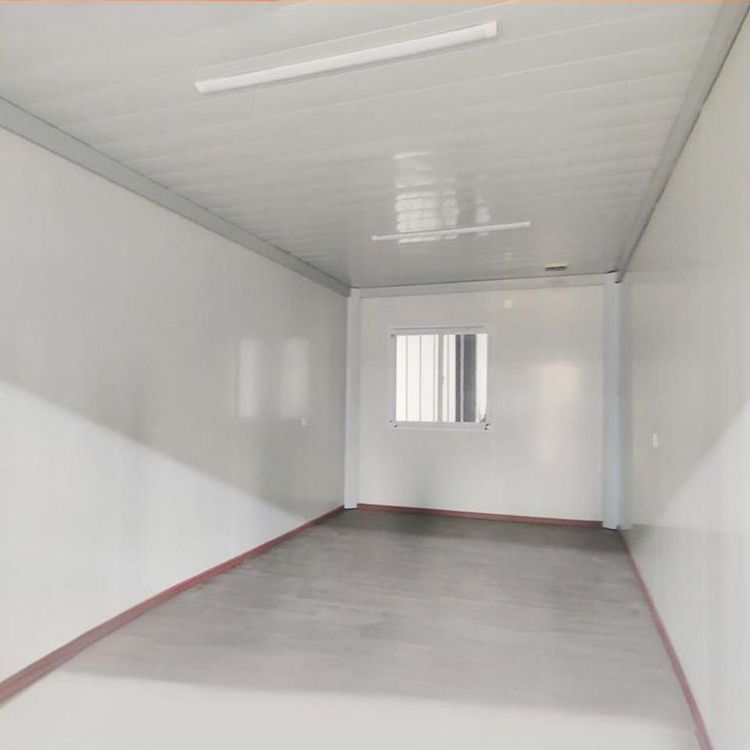
Waterfront Homestay Mobile Toilet
There are multiple mature design solutions and application cases for mobile toilets in waterfront homestays, which can meet environmental protection and functional requirements through buoy structures, container modifications, or customized designs.

1. Buoy-Type Mobile Toilets: A Stable Solution for Water Environments
For the unique scenarios of waterfront homestays, buoy-type toilets provide buoyancy through high-density polyethylene buoys and are fixed on the water surface with anchoring systems (such as concrete anchor blocks or screw anchors) to ensure structural stability. Their core advantage lies in no need for land hardening, allowing direct deployment in lakes, rivers, and other water bodies, with automatic height adjustment according to water level changes. For example, in a design case, the toilet body is constructed with lightweight, corrosion-resistant wood, with an integrated septic tank and sewage pump at the bottom, connected to onshore treatment equipment via hoses to avoid direct discharge and water pollution. Such designs need to focus on wind and wave resistance, typically enhancing safety by increasing the number of buoys or optimizing anchor point layouts.
2. Container-Modified Mobile Toilets: Representatives of Modular and Rapid Deployment
Outdoor container eco-friendly mobile toilets provided by companies like Shanghai Yangting Architectural Support Engineering Co., Ltd. achieve rapid implementation through standardized container modifications. Their advantages include:
- Structural robustness: Steel frames can withstand strong winds and wave impacts, suitable for open water environments;
- Functional integration: They can be equipped with vacuum toilets, microbial degradation systems, or small sewage treatment units internally to meet different environmental standards;
- Customizable flexibility: Appearance materials (such as corrosion-resistant wood veneers) and layouts (such as adding shower rooms or barrier-free facilities) can be adjusted according to the homestay style.
Such toilets need to be connected to the shore via gangways or floating docks to ensure safe passage for personnel, and regular maintenance of sewage treatment equipment is required to prevent malfunctions.
3. Enterprise Cases and Applicable Scenario Analysis
- Qingzhou Zhonglu Cultural Tourism Equipment Co., Ltd.: Their products focus on seaside beach homestays and water fishing centers, adopting a detachable design that supports rapid assembly and relocation, suitable for seasonal operation projects. Their sewage collection devices are stored in sealed tanks and regularly transported for treatment by suction trucks to avoid impacts on the marine ecosystem.
- Shanghai Yangting Architectural Support Engineering Co., Ltd.: Their container toilets support solar power supply and rainwater collection systems, enabling self-sufficiency in energy and suitable for remote water homestays without grid coverage.
4. Core Design Considerations
- Environmental compliance: They must comply with the requirements of the Water Pollution Prevention and Control Law, prioritizing microbial degradation or zero-discharge technologies;
- Corrosion resistance: All metal components should use 316 stainless steel or hot-dip galvanizing processes to extend service life;
- User experience: Anti-slip floors, handrails, and ventilation systems should be added to enhance safety and comfort in humid environments.
The design of mobile toilets for waterfront homestays should comprehensively consider environmental adaptability, environmental requirements, and user experience. Through modular design and customized services, they can effectively balance functionality and economy.