
Waterborne Container Mobile House
A waterborne container mobile house is a movable building based on standard freight containers, which is redesigned and applied in waterborne scenarios, featuring modularity, environmental protection, and flexibility. The following is an introduction from three aspects: structure, application, and advantages.
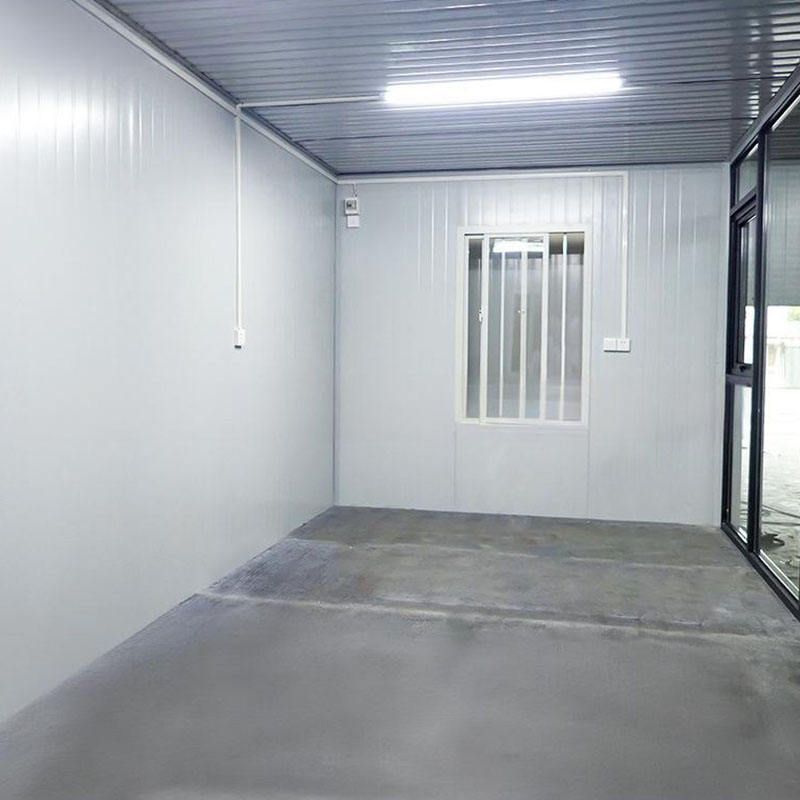
Structure and Redesign
The waterborne container mobile house originates from the redesign of standard freight containers. Its main structure is made of high-strength steel, providing good compressive and seismic resistance, enabling it to withstand external forces such as wind and waves in waterborne environments. During the redesign process, insulation layers and waterproofing techniques are incorporated to ensure the house can be used outdoors for a long time, maintaining a dry and comfortable interior even in humid waterborne conditions. Additionally, targeted waterproofing treatments are carried out according to waterborne usage requirements to prevent water from seeping into the interior and ensure the safety of occupancy or use.
Application Scenarios
The waterborne container mobile house has a wide range of application scenarios. In the cultural and tourism sector, it can serve as a boat house bed-and-breakfast, offering tourists a unique waterborne accommodation experience and adding fun and appeal to tourism. It can also function as a waterborne resort hotel, creating a distinctive leisure and vacation space. In the commercial realm, it can be used as a waterborne creative market, providing merchants with a novel business venue to attract consumers. It can also serve as a temporary exhibition hall for displaying various products or artworks. Moreover, in some waterborne operation scenarios, such as oil exploration and power inspection, it can be used as temporary living quarters or office spaces for workers.
Advantages
- Modular Design: It supports rapid assembly and disassembly without the need for complex foundation construction like traditional buildings. Once the house is delivered to the site, it can be put into use after connecting to electricity and water, greatly shortening the construction period and improving usage efficiency.
- Environmental Protection and Energy Efficiency: Some houses can be equipped with solar panels to enable off-grid living, reducing dependence on traditional energy sources and lowering energy consumption and environmental pollution.
- High Flexibility: It can be freely combined and arranged according to different needs and scenarios, similar to 'building LEGO'. Furthermore, its exterior can be painted with custom colors to meet personalized aesthetic requirements.



