
Water Tightness Test Standard for Container Houses
The water tightness test standard for container houses mainly includes waterproof ratings, test methods, and industry standards, as detailed below:
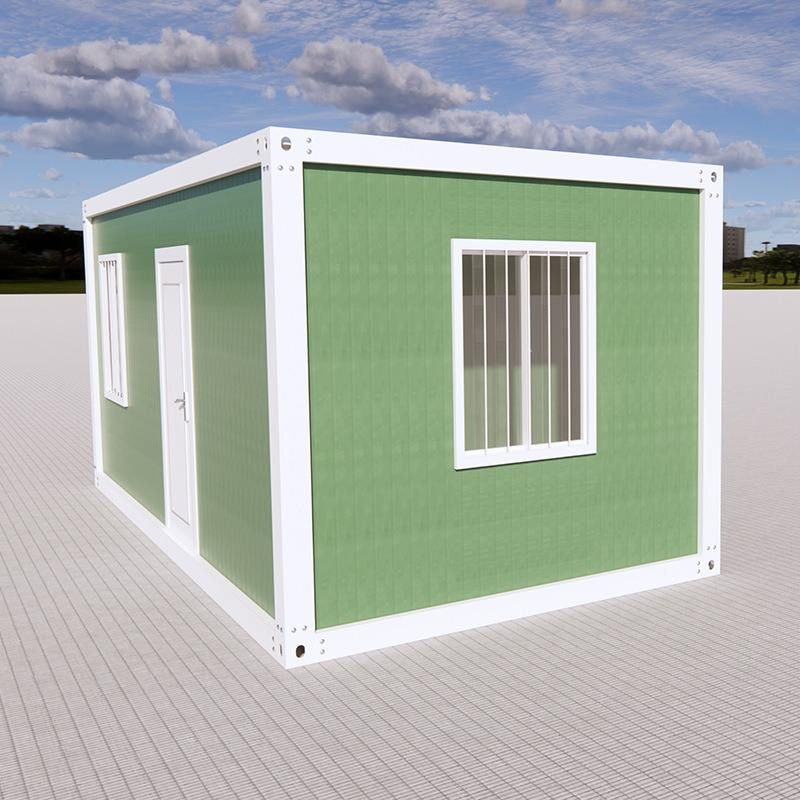
Waterproof Rating Requirements
High-quality container houses must achieve a waterproof rating of IPX4 or higher, meaning they can maintain indoor dryness under heavy rain conditions of 100 millimeters per hour, ensuring safety during extreme weather.
Test Methods and Standards
Simulated Rainfall Test
By using a spraying device to simulate continuous heavy rainfall for over 4 hours, the house is deemed qualified if no leakage occurs indoors. This test visually verifies the house's waterproof performance under sustained rainfall.Professional Waterproof Tests
- Spray Method Test: According to the ASTM D951-17(2024) standard, a specific spraying device is used to simulate moisture contact during transportation, assessing the surface condition, internal structural integrity, and corrosion level of the container body.
- Water Spray Inspection: The water pump flow rate must be no less than 4 cubic meters per minute, with a water pressure of 100 kilopascals. The sprinkler head features a dual-arm design around the top (6-10 atomizers on each side, with a 35-degree elevation angle). During testing, all exhaust vents must be closed. First, maintain pressure at 1.5 times the design value for 5 minutes, then conduct two rounds of 10-minute dynamic spraying. Damage assessment criteria include: replacing the roof panel if water stains cover more than 10 square centimeters within 2 minutes in the top area; resealing for waterproofing if continuous water mist appears on the inner walls; and checking floor installation compliance if water drips from the floor beam.
Water Tightness Test Method
According to the latest specifications of the China Classification Society, a spray pipe device is used to spray water on the container body's seams under specified pressure to check for internal leakage, ensuring seam sealing.Sealing Inspection Specifications
Conduct a water tightness test every 2 years, using a 0.3 megapascal water pressure spray for 5 minutes, with no leakage considered qualified.
Industry Standards and Durability Requirements
Referring to the Technical Code for Building Waterproofing Engineering (GB50345) and the Technical Standard for Container Houses (CECS 334), container houses are required to remain free of leakage for at least 5 years under normal use conditions, ensuring long-term reliability.
Summary: The water tightness test for container houses requires a comprehensive approach involving waterproof ratings, simulated environmental testing, professional inspection methods, and regular maintenance, in compliance with national and industry standards, to ensure their waterproof performance and durability in various usage scenarios.



