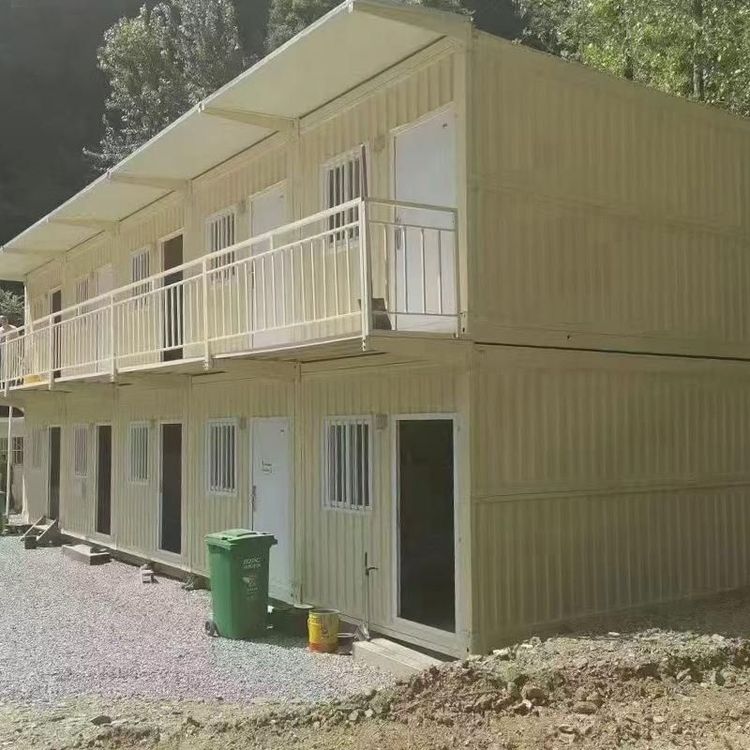
Water-Flush Storage Portable Toilet
A water-flush storage portable toilet is an independent sanitation facility that employs an instant flushing system, does not rely on underground sewage networks, and possesses relocatable characteristics. The following provides a detailed introduction from four aspects: working principle, user experience, mobility, and maintenance management.

Working Principle: Its core lies in the flushing and waste treatment mechanisms. The flushing process utilizes a pressurized water supply system, achieving cleanliness with a small amount of water, ensuring both cleaning effectiveness and water conservation. In terms of waste treatment, most designs incorporate chemical or biological decomposition technologies to preliminarily treat waste in the sewage tank, reducing odors and volume for easier subsequent removal. Some advanced models also integrate filtration and disinfection units, enabling treated wastewater to meet higher sanitation standards and further enhancing hygiene levels.
User Experience: Compared to waterless or dry portable toilets, the water-flush design offers a user experience closer to that of conventional restrooms. Instant water flushing effectively reduces visual pollution and odor residues, providing users with a more comfortable and hygienic environment. Therefore, it is more suitable for deployment in short-term public venues with high foot traffic or frequent usage, such as large events, temporary construction sites, or tourist attractions during peak seasons.
Mobility: The mobility of a water-flush storage portable toilet is reflected in its overall structural design and transportation convenience. Its tank is generally made of lightweight, corrosion-resistant materials, such as fiberglass or galvanized steel plate, ensuring structural stability while reducing weight for easy transportation. Additionally, it is equipped with lifting interfaces or trailer chassis, allowing for rapid transportation by ordinary trucks. At new locations, only simple ground leveling and water/electricity connections are required before it can be put into use, significantly improving deployment efficiency.
Maintenance Management: Due to the limited capacity of the sewage tank, a water-flush storage portable toilet requires regular emptying and cleaning by specialized suction vehicles to ensure normal operation. Simultaneously, the water storage tank must be promptly replenished with clean water to meet flushing demands. Therefore, its operational efficiency highly depends on planned removal routes and response speeds. A reasonable maintenance management plan can ensure the continuous availability and hygiene level of the toilet.