Warehouse Container House
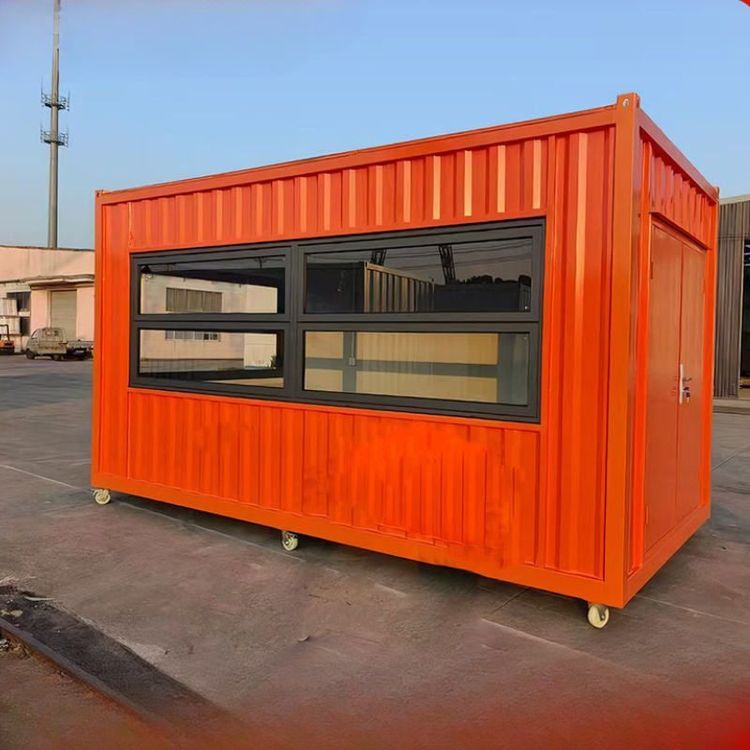
A warehouse container house is a modular building transformed from a standard container, featuring flexibility, portability, cost control, and reusability. It is widely used in engineering camps, commercial pop-ups, warehousing and logistics, and other scenarios.
I. Structural and Performance Characteristics
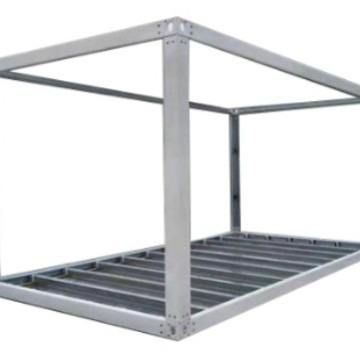
Warehouse container houses typically employ hot-dip galvanized cold-formed steel frames paired with rock wool, glass wool, or polyurethane sandwich panel walls, offering wind resistance, earthquake resistance, fire resistance, and thermal insulation. For example, the quick-assembly container series from Suzhou Zhongnan Steel Structure Co., Ltd. uses a fully steel structural frame, with a maximum deformation of only 2 millimeters under 12-level strong winds, well below the national standard limit. Products from CIMC Modular Building Investment Co., Ltd. adopt a semi-welded and semi-bolted connection structure, with a deformation of 3 millimeters, and a slightly higher probability of bolt loosening after long-term turnover use. In terms of fire resistance, compliant products must achieve a B1 rating or higher, effectively delaying the spread of fire, while some unbranded products only reach a C rating, posing safety hazards.
II. Application Scenarios and Advantages
Warehouse container houses can be flexibly combined according to needs and are suitable for various scenarios:
- Engineering Camps: Used as temporary dormitories, offices, or conference rooms, supporting rapid installation and relocation.
- Commercial Pop-ups: Through customized exteriors and interior layouts, they can be transformed into exhibition booths, pop-up stores, etc.
- Warehousing and Logistics: Some products feature a double-wing expansion design, which can be folded during transportation to save space and expanded during use to create larger storage areas. For example, the 20-foot double-wing expansion container produced by Yashun Light Steel for a project in Chile has an indoor area of approximately 36 square meters when expanded.
III. Selection and Compliance Considerations
When selecting a warehouse container house, pay attention to the following indicators:
- Structural Stability: Prioritize fully steel structural frames and check the steel wall thickness (common specifications range from 1.5 mm to 3 mm) and coating process (hot-dip galvanizing is superior to cold-dip galvanizing).
- Installation Efficiency: Modular design products are faster to install. For example, a single quick-assembly container from Suzhou Zhongnan takes only 4 hours to install, while some unbranded products take 2-3 days.
- Compliance: Products must pass fire resistance tests and wind and earthquake resistance certifications. Export products must have international certifications such as CE and ISO.
- Environmental Protection and Reusability: Compliant products must have a disassembly recycling rate of over 80% to avoid additional building waste disposal costs.