
Back to blog
Article
Wanzhou Outdoor Mobile Toilet Installation
Admin October 10, 2026
The installation of outdoor mobile toilets in Wanzhou should follow the following procedures and key points to ensure safety, compliance, and normal use:
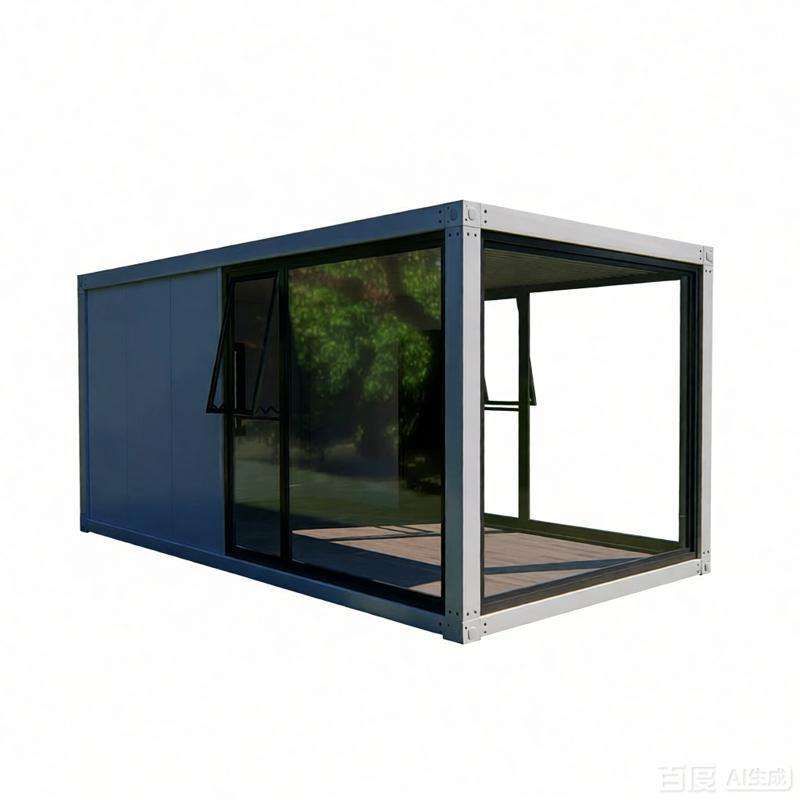
I. Pre-installation Preparation
- Site Selection: Prioritize flat terrain with good drainage, avoiding low-lying areas prone to water accumulation or areas near water pollution sources (such as within 50 meters of rivers or lakes). Additionally, ensure coordination with the surrounding environment to avoid affecting landscapes or public activities.
- Site Condition Verification: Check the firmness of the ground and remove obstacles such as stones and branches. For soft ground (such as mud or sand), lay 10-15 cm thick wooden planks or gravel in advance to enhance load-bearing capacity.
- Approval Procedures: When installing in public places (such as parks or squares) or scenic spots, apply for temporary facility permits from the local urban management department or scenic spot management office, providing information such as equipment dimensions and installation locations.
II. Transportation and Unloading
- Transportation Method: Use a dedicated flatbed truck for transportation. Secure the equipment with ropes or fixing brackets to prevent deformation of the box or damage to internal components due to shaking during transportation.
- Unloading Requirements: Confirm that the ground load-bearing capacity is ≥3 tons per square meter (judge by observing ground cracks or consulting property management). Use a forklift for slow unloading. When manually handling, 4-6 people should work together to avoid bumping into door frames or sewage pipes.
III. Installation and Commissioning
- Foundation Fixing: Use expansion screws (for concrete floors) or counterweights (for floors where drilling is not possible, such as asphalt roads) to fix the four corners of the toilet, ensuring an anti-wind rating of ≥8.
- Drainage System Connection: Choose a drainage method based on site conditions: If there is a sewer nearby, connect the toilet's sewage outlet to the sewer using PVC pipes (diameter ≥110 mm) with a slope of ≥2%; if there is no sewer, equip with a sewage collection bucket (capacity ≥500 liters) and mark the cleaning cycle.
- Water and Electricity Inspection: Connect a 220V temporary power supply or equip with a generator (power ≥3 kW). Test whether the lighting and flushing systems (such as sensor faucets and foot-operated flush valves) are functioning properly; for eco-friendly toilets, check the fecal tank capacity (usually 200-500 liters) to ensure timely cleaning before it is full.
- Detail Inspection: Confirm that the door lock can be locked normally, the ventilation system (such as exhaust fans and louvers) is not blocked, and equip with consumables such as toilet paper, hand soap, and disinfectant as required.
IV. Maintenance Recommendations
- Daily Cleaning: Clean internal garbage daily, wipe the box with disinfectant weekly, and replenish consumables such as toilet paper and hand soap.
- Emergency Handling: In case of equipment failure (such as flushing failure or electrical short circuit), immediately contact the lessor or manufacturer (such as Chongqing Shuda Municipal Facilities Co., Ltd.) for repair. Avoid disassembling it yourself to prevent damage.
For long-term use, it is recommended to choose customization or leasing from a regular manufacturer to ensure equipment quality and after-sales support.



