
Wall-mounted Mobile Toilet
Currently, no specific definition for 'wall-mounted mobile toilet' has been retrieved, but reasonable speculation and analysis can be made based on the general structure and functional characteristics of mobile toilets, combined with the needs of wall-like scenarios.
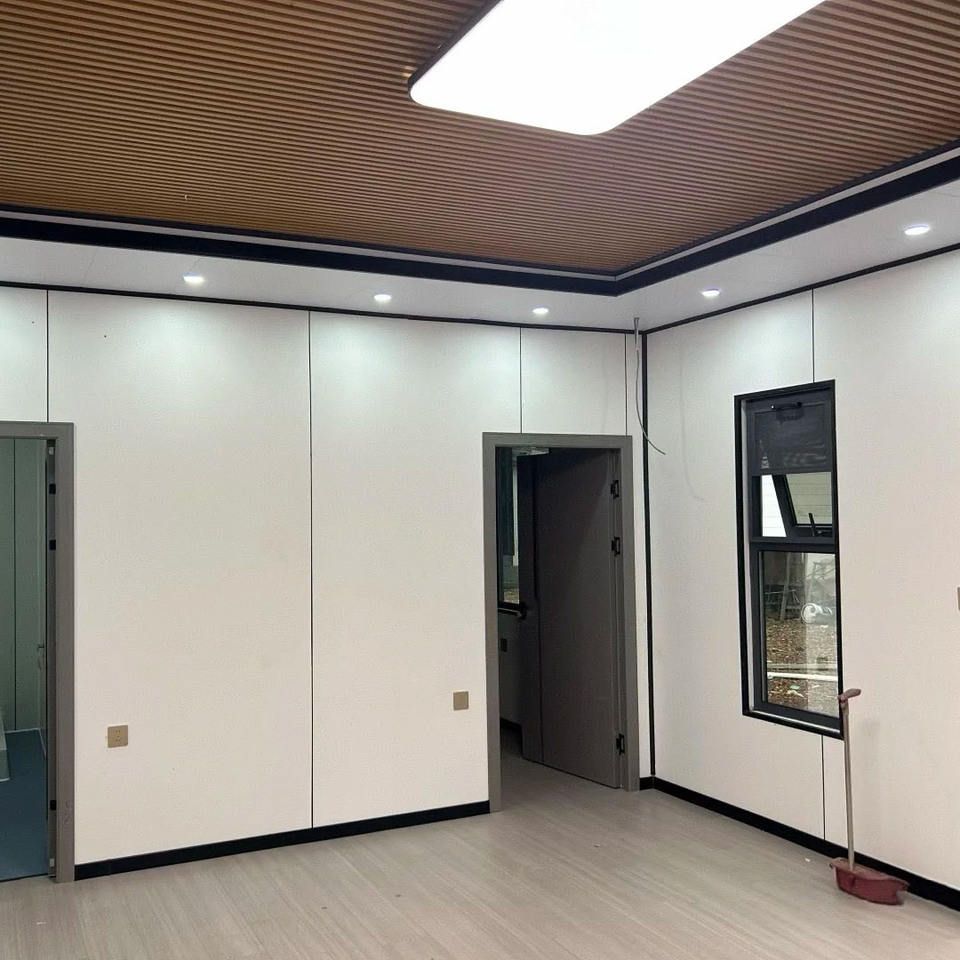
The core components of a mobile toilet include walls, a roof, a fecal treatment device, and a mobile module. Among them, the walls, as key components for spatial separation and privacy protection, typically use lightweight and high-strength materials such as color-coated steel plates, metal carved plates, or fiberglass-reinforced plastics, which are waterproof, corrosion-resistant, and easy to clean. If the concept of 'wall' is integrated into the design of mobile toilets, it may point to two types of application scenarios:
1. Mobile toilets with a wall-like structural layout This type of design may be aimed at open spaces or temporary event scenarios, enclosing independent toilet units through modular walls. For example, at large outdoor exhibitions, construction sites, or post-disaster relief sites, mobile toilets can be arranged along the edges of the venue or in specific areas. The height and material of the walls need to meet privacy protection requirements (e.g., a height of ≥2 meters, using opaque panels), while ventilation openings or observation windows should be reserved to optimize air circulation. Some high-end products may integrate soundproofing materials to reduce the impact of usage noise on the surrounding environment.
2. Composite facilities combining wall and toilet functions Another possibility is to embed mobile toilets into wall structures, forming a 'multi-purpose wall' solution. For example, in municipal road construction fences, some wall modules can be designed as openable toilet units, equipped with standard toilet facilities (such as toilets, urinals, and sinks) and sewage treatment systems (such as septic tanks or microbial degradation devices). This type of design needs to focus on solving issues such as wall load-bearing capacity, pipe concealment, and mobility, typically using lightweight frame structures and detachable connectors to support rapid assembly and relocation.
Key parameters to note:
- Mobility method: If wall-like mobile toilets need to be frequently relocated, it is recommended to choose a lifting or towing structure to avoid transportation difficulties due to excessive volume.
- Environmental protection requirements: Select fecal treatment technology based on the usage scenario, such as waterless packaging for temporary events and microbial degradation or connection to municipal sewage networks for long-term fixed locations.
- Safety regulations: Wall materials must meet fire rating requirements (e.g., Class A non-combustible materials), the floor must be slip-resistant, and lighting and warning signs must be provided for nighttime use.
If you need further information on the design details of specific products (such as wall thickness, sewage treatment efficiency, etc.), it is recommended to supplement the application scenario (such as scenic spots, construction sites, emergency rescue) or functional requirements (such as whether power and water supply are needed) and then inquire again.



