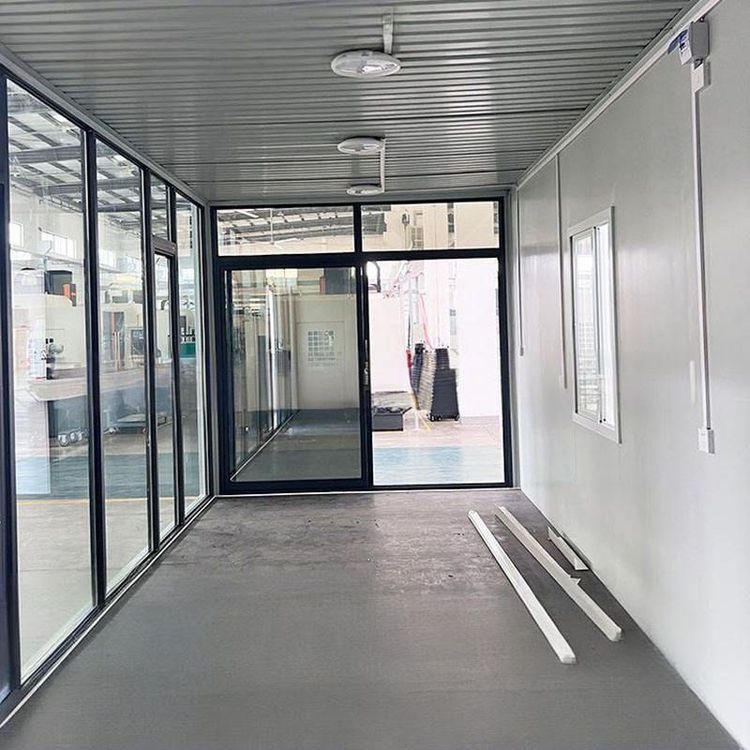
Wall Mobile Toilet
"Wall mobile toilet" is not a standard term and currently has no clearly defined specific type. However, the wall design of mobile toilets typically involves materials, drainage methods, and modular structures to meet requirements for durability, aesthetics, and mobility.

Wall Material Selection for Mobile Toilets
The wall materials of mobile toilets need to balance lightness and durability. Common materials include galvanized steel frames, fiberglass, polyethylene, and orange brick-patterned exterior wall panels. For example, the mobile toilets produced by Dezhou Hongtu Metal Products Co., Ltd. adopt a galvanized steel frame structure and use orange brick-patterned exterior wall panels, ensuring both structural strength and aesthetic appeal. Fiberglass materials are corrosion-resistant and easy to clean, suitable for humid environments; polyethylene materials are lightweight and have excellent waterproof properties, often used in temporary or emergency scenarios.
Integration of Walls and Drainage Methods
The drainage system design of mobile toilets needs to be compatible with the wall structure, mainly divided into floor drainage and wall drainage methods:
- Floor Drainage: A traditional drainage method where pipes pass through the floor from the bottom of the sanitary fixtures to connect to the drainage system, suitable for most mobile toilets. Its advantages include simple construction and low cost, but a drainage outlet needs to be reserved on the floor, which may affect the overall aesthetics.
- Wall Drainage: Drainage pipes are hidden inside the walls and connected to the drainage riser from the wall surface. This method improves floor cleanliness and reduces sanitary dead zones, but requires higher construction precision, and the walls need to reserve space for pipes, potentially increasing design complexity. Currently, the choice of drainage methods for mobile toilets is mainly based on usage scenario requirements, but the search results do not explicitly mention a dedicated drainage design for "wall mobile toilets."
Mobility and Modular Wall Design
The core advantage of mobile toilets lies in their overall mobility, so wall design needs to meet the requirements for rapid assembly and disassembly. Modular design is a common solution, achieving flexible assembly through standardized wall components. For example, the mobile toilets installed in the scenic area along the Yellow River in Lanzhou use lightweight and durable materials, with a sturdy structure and easy transportation. Modular walls not only reduce transportation costs but also improve construction efficiency, but specific technical details (such as connection methods and sealing treatments) need to be determined according to the manufacturer's design.
Summary: The wall design of mobile toilets needs to integrate material performance, drainage system compatibility, and modular requirements to achieve a balance between functionality and practicality. Although "wall mobile toilet" has no clear definition, related design concepts have been widely applied in existing products.