
Back to blog
Article
Villagers Convert Containers into Farmstays
Admin September 10, 2026
Villagers converting containers into farmstay houses is a viable rural tourism innovation: modular conversion and creative design can cut construction costs while offering distinctive lodging, and multiple successful cases have confirmed feasibility.
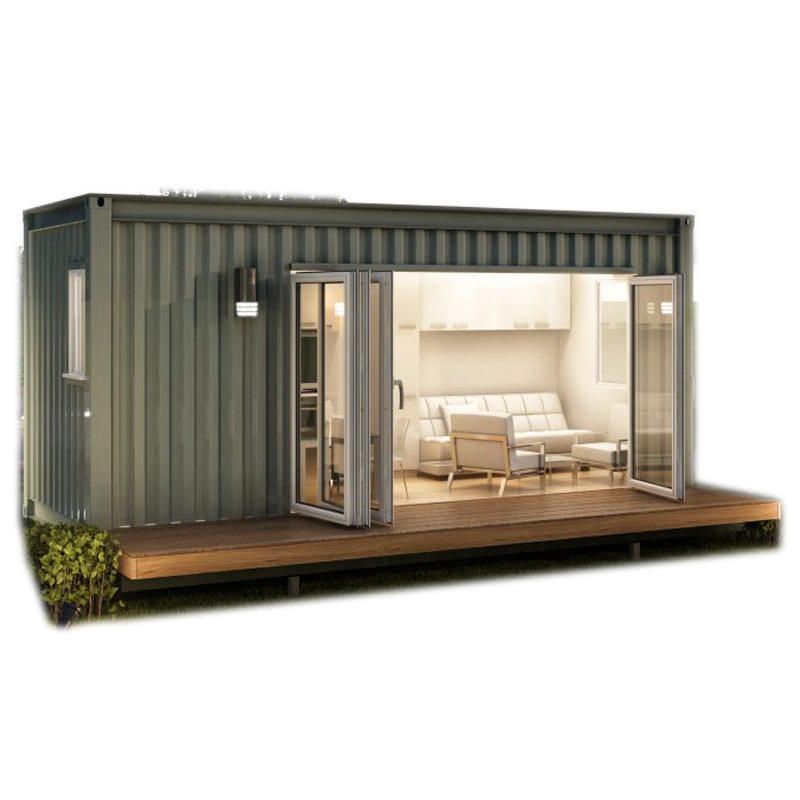
I. Typical case studies
- “Colorful Farmstay” in Jiulongpo District, Chongqing: This case used 20 blue containers arranged as a courtyard. Each container is about 6–7 m long, fitted with a double bed, sofa, LCD TV, and more; floors are tiled and walls provide insulation. Pricing is a package rate of $11.1-$16.7 per person including lodging and three meals. Core strengths are modular fast build and low-cost operation: standardized containers shorten the build cycle, and bulk purchasing lowers material costs.
- Tangshan, Hebei container-themed guesthouse cluster: This project turned discarded containers into colorful themed lodgings with private bathrooms, air conditioning, Wi-Fi, and small balconies; some units extend into cafés, bookstores, and other public spaces. Diversified functions created a viral check-in effect, with cumulative visitors exceeding $13,889 person-visits, while boosting nearby farmstays and farm-product sales. Success shows container farmstays can raise overall returns through cultural IP and industry-chain extension.
II. Core advantages of container farmstays
- Lower build cost: Containers are standardized industrial products, cheaper to buy than traditional building materials, and modular design cuts construction steps—overall cost can fall 30%-50%.
- Short conversion cycle: Traditional guesthouses take 6–12 months; container conversion needs only 1–3 months, suiting fast market response.
- Eco and sustainable: Reusing discarded containers reduces construction waste; wall insulation and solar equipment cut energy use and fit green tourism trends.
- High design flexibility: Stacking and joining create unique spatial forms; graffiti, lighting, and other art elements deliver differentiated experiences.
III. Key implementation points Pay attention to structural safety checks (ensure load capacity meets building standards), fire compliance (add smoke alarms and extinguishers), and hygiene permits (private bathrooms must meet guesthouse hygiene rules). Also design themes around local culture to avoid homogenized competition.



