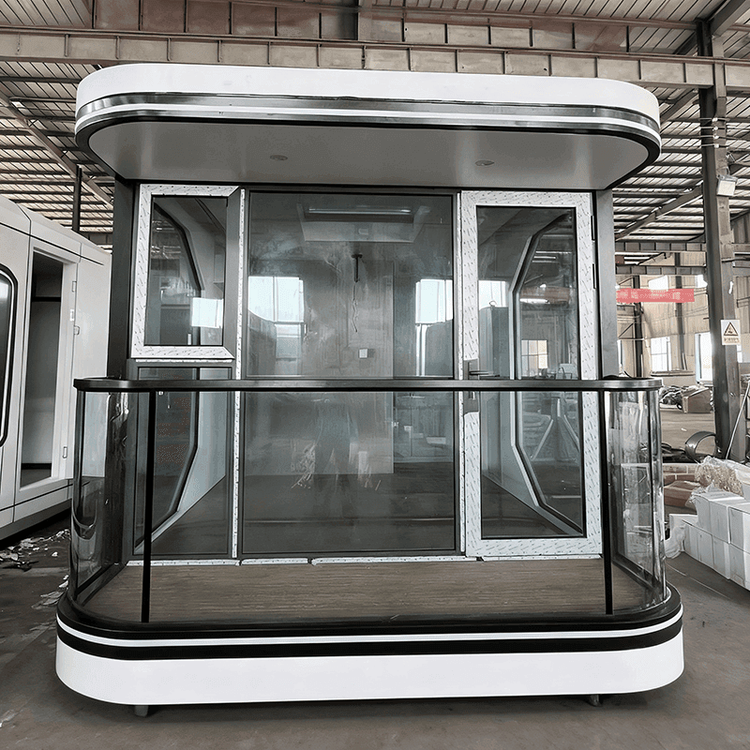
Production Process of Vehicle-mounted Mobile Toilets
The production process of vehicle-mounted mobile toilets includes five main stages: needs analysis, design, manufacturing, installation and commissioning, and maintenance and upkeep.

Needs Analysis: This is the initial step in producing vehicle-mounted mobile toilets. It is essential to clarify the usage scenarios, such as whether they are for long-distance transportation or outdoor activities. Different scenarios have varying requirements for the functionality and design of the toilets. For instance, long-distance transportation may prioritize durability and convenience, while outdoor activities may emphasize environmental friendliness and adaptability to the surroundings. Additionally, factors like usage frequency and the number of users must be considered, as these affect the toilet's capacity and subsequent maintenance needs. Environmental factors should not be overlooked either; for example, local climate conditions influence material selection, with cold regions requiring cold-resistant materials, and special terrains necessitating toilet structures that can adapt, such as ensuring stability during transportation on rugged mountain roads.
Design Phase: Based on the results of the needs analysis, a reasonable layout and functional configuration should be carried out, making innovative use of the limited vehicle space to ensure all functions are complete without appearing cramped. The comfort of users should be fully considered, providing appropriate sitting space, installing a good ventilation system to maintain fresh air, and implementing privacy protection measures. In terms of material selection, durable materials should be chosen that can withstand the wear and tear caused by frequent use and movement. Environmental factors should be taken into account, with the use of recyclable materials or the integration of wastewater treatment systems. Safety is also a crucial consideration, such as setting up non-slip floors, stable structures, and emergency escape routes.
Manufacturing Process: Production should be carried out strictly in accordance with the design drawings, with the production workshop equipped with the necessary equipment and processes. Quality control is key, with rigorous inspection of raw materials to ensure they meet standards. During assembly, each connection point should be carefully checked to avoid looseness or leaks. After manufacturing, an overall test should be conducted to check if the water system is unobstructed and the ventilation equipment is functioning properly, among other things. Any issues found should be promptly adjusted and repaired. At the same time, cost control should be considered, with optimization of the production process and material procurement to reduce overall costs while ensuring quality. Some vehicle-mounted mobile toilets require 108 manufacturing processes.
Installation and Commissioning: Before installation, it should be confirmed whether the vehicle's basic structure is suitable for adding a toilet, such as the chassis strength and space layout. During installation, operations should be carried out step by step according to the instructions to ensure each component is securely fixed. In the commissioning phase, all functions should be tested, such as the flushing system, lighting equipment, and wastewater treatment devices. Any issues found should be promptly adjusted until all systems are functioning normally. After installation and commissioning, simple training should be provided to users, explaining basic operations and maintenance methods.
Maintenance and Upkeep: Regular inspections of the vehicle-mounted mobile toilets should be conducted to promptly identify potential issues, such as pipe blockages or component wear. Maintenance includes cleaning, among other tasks, to ensure their normal operation and service life.