Vacuum Mobile Toilet
A vacuum mobile toilet is a water-saving sanitary facility that utilizes the principle of vacuum negative pressure to suck waste into a piping system through air pressure differences. The following provides a detailed introduction from multiple aspects:

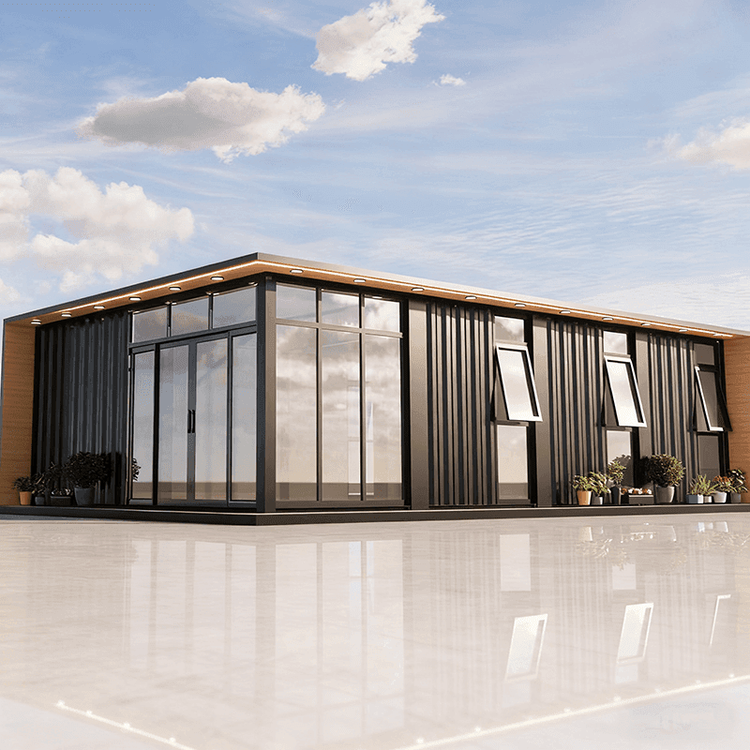
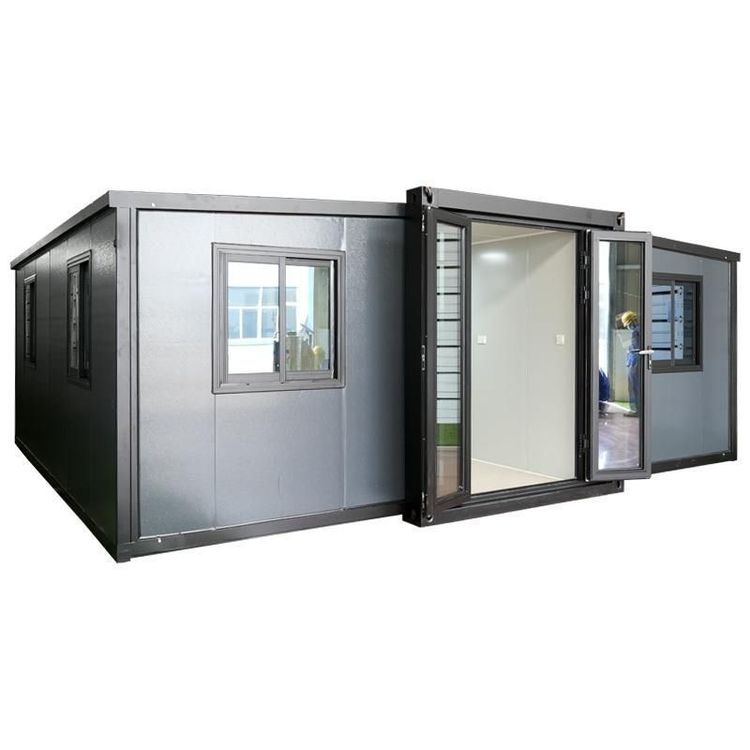
Structure and Materials: Some vacuum mobile toilet products are made of steel and color-coated steel plates, crafted through welding and splicing processes. They have a stable overall structure and support customization and supply across the country. Their appearance can be customized in a variety of colors to meet the visual needs of different scenarios.
Technical Advantages: They employ a modular design combined with vacuum self-priming technology, enabling rapid waste discharge. Each use requires only 0.5 - 1 liter of water, saving about 80% more water than traditional toilets. Waste is transported through closed pipes with a diameter about one-third that of traditional systems, offering advantages such as being less prone to clogging, allowing for same-floor discharge, and effectively controlling odor diffusion.
Application Scenarios: They are suitable for construction sites, scenic spots, municipal areas, and other scenarios. They are mainly used in water-scarce environments such as high-speed trains, airplanes, and cruise ships, and are gradually expanding to residential areas, hotels, and rural regions. For example, in places like Yueliang Village, Hengshui City, Hebei Province, vacuum toilets have been introduced to rural areas through renovation projects, and scenic spots have also adopted vacuum self-priming water-saving toilets to cope with water shortages.
System Composition: The core components include vacuum toilets, pipes, vacuum pumps, and fecal storage tanks. Some products mainly consist of over 20 professional accessories such as vacuum pumps, diaphragm valves, and flushing mechanisms. A negative pressure environment is created through a vacuum generator, and waste is drawn into the piping network using atmospheric pressure differences.
Development: This technology was invented and patented by James Kemper in 1975. Technological innovations began in the 1980s, initially applied in airplane toilets and later extended to high-speed trains, ships, and other means of transportation. The first self-developed vacuum toilet prototype and system in China were successfully developed by the team led by Professor Zhou Jingxuan from Huazhong University of Science and Technology. In April 2017, Yueliang Village in Hengshui City, Hebei Province, completed the renovation of 396 households and 415 vacuum toilets, becoming a typical case of whole-village renovation in China. In 2025, Norway's JETS company showcased a mature ship vacuum sanitation system solution at the China International Maritime Exhibition.