
Using Mobile Toilets Outdoors
When using mobile toilets outdoors, it is necessary to select the appropriate type based on the scenario and pay attention to core indicators such as structure, privacy, drainage, portability, and fabric.
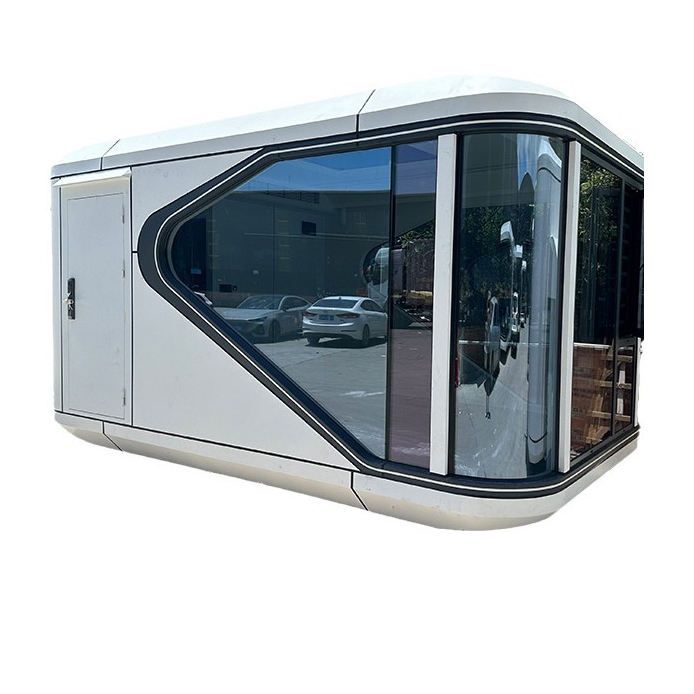
Mobile toilets are facilities that provide temporary toilet services to the public and are commonly found in places like stations, tourist attractions, and construction sites. For outdoor activities (such as camping and hiking), a mobile toilet tent is a more practical choice. When selecting one, the following aspects should be considered:
1. Structural Stability
The material of the support frame directly affects its wind resistance. Aluminum alloy poles are lighter and more flexible than fiberglass. The joint buckles should be tight without any looseness. The configuration of ground stakes and guy ropes should be complete (for example, one ground stake and two guy ropes per corner). A thickened anti-scratch design at the bottom can prevent damage after long-term use. For example, in mountainous areas or regions with strong winds, a stable structure can prevent the tent from toppling over.
2. Privacy
Attention should be paid to detailed design. The zipper should be smooth without any jamming. The door curtain should have a double-layer structure (an inner layer of opaque fabric and an outer layer of anti-peeping coating). The side window shading curtain should be adjustable and cover all blind spots. Some high-end models also add magnetic strips at the edges of the door curtain to further reduce light leakage through gaps.
3. Drainage and Ventilation
The bottom drainage holes should be located in low-lying areas and equipped with drainage channels to prevent rainwater accumulation. The breathable skylight on the roof should have rainproof functionality (such as an openable and closable design). The side ventilation openings should be adjustable in size to prevent internal stuffiness or fogging. For example, in humid environments, good ventilation can reduce odors and bacterial growth.
4. Portability for Storage
When folded, the volume should be less than 50cm×30cm×20cm, and the weight should be controlled within 3kg. It should be equipped with shoulder straps and compression bags for easy storage in the trunk of a car or attachment to a bicycle rack. Some models also optimize the setup and takedown process, allowing a single person to complete the setup within 5 minutes.
5. Fabric Durability
The outer tent should be made of a water-repellent PU coating (with a waterproof index of at least 1500mm), and the seams should be taped to prevent water leakage. The bottom should be made of thickened Oxford fabric (with a thickness of at least 600D) to resist ground friction. It should be able to withstand repeated setup and takedown more than 100 times without deformation or tearing. For example, when used on gravel ground, wear-resistant fabric can extend its service life.
In addition, mobile toilets can be classified by structure into single-unit (independent unit) and composite (multi-unit combination) types; by mobility into hoisting and trailer types; and by sewage treatment into water-flush and dry-pack (no water source required) types. When choosing, it is necessary to consider actual needs. For example, in scenarios without a water source, the dry-pack type should be given priority, and for long-term use, a composite structure is recommended to improve space utilization.



