
Using Container Shops for Landscape Design to Open Up the Metaverse
Traditional urban development has centered on physical built space. Digital technology and information networks have expanded urban space from physical areas into a digital dimension. The internet’s penetration into everyday life has produced digital space and continually drawn people into it. Turning back to the real world, container shops—with their distinctive appeal and innovative potential—are becoming a powerful bridge between the metaverse and physical reality. Through thoughtful design and layout, container shops can be shaped into futuristic, tech-forward landscapes that deliver new retail experiences and social spaces, opening the door to the metaverse.

1. The Rise of the Metaverse and Its Challenges
The metaverse brings together virtual reality, augmented reality, blockchain, artificial intelligence, and other frontier technologies to build a highly immersive, interactive, and creative digital world. In the metaverse, people can break free from physical constraints and freely create, socialize, entertain, and trade. Progress, however, has not been smooth. The metaverse still faces technical bottlenecks, thin content, and uneven user experience. Making it more realistic, richer, and more engaging remains a hard problem for the tech and creative industries.
2. The Innovative Potential of Container Shops
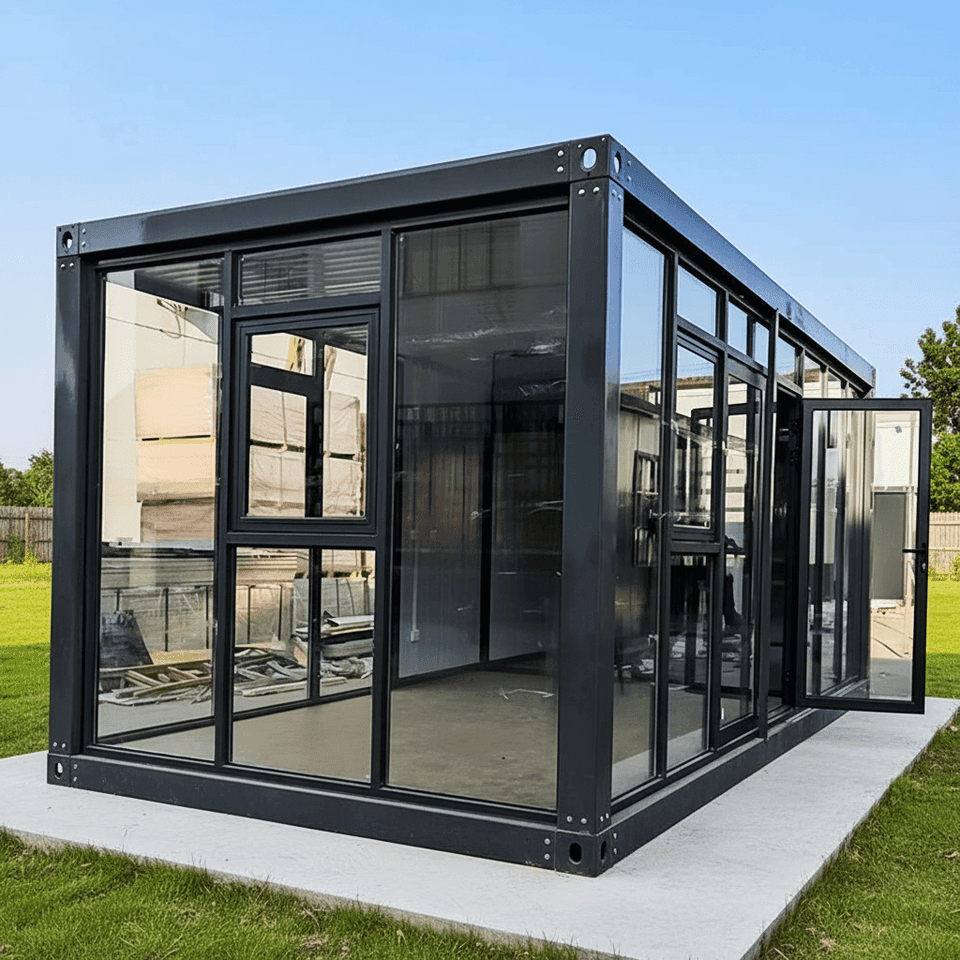
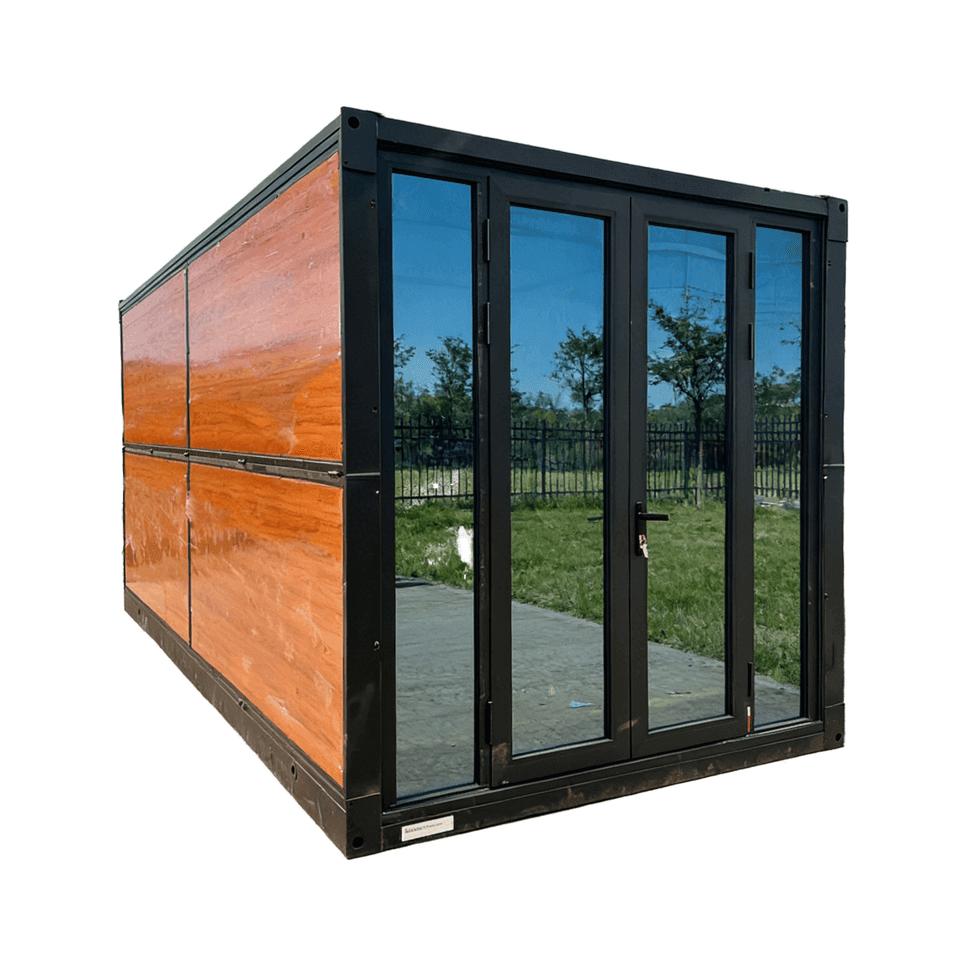
Shipping containers began as standardized metal boxes for freight. With creative design, they have taken on new life. Modular, movable, low-cost, and quick to build, container shops have become a popular choice for urban renewal and commercial innovation. Pairing them with the metaverse not only gives the digital world a physical gateway and carrier; distinctive exteriors and interiors can also create a tech-forward, futuristic atmosphere that draws more users into the metaverse.

3. Design Principles for Container-Shop Landscapes
- Themed design
Shape container shops around metaverse themes and scenes—sci-fi worlds, fantasy kingdoms, cyberpunk, and more. In a sci-fi metaverse, for example, shops might take the form of space capsules or starships, finished in metallic materials and LED light strips to create a mysterious, striking mood.
- Interactive design
Build in interactive elements such as touchscreens, virtual reality (VR) devices, and augmented reality (AR) glasses so users can experience the metaverse in the physical world. Visitors might browse virtual goods and services on a touchscreen, enter virtual stores via VR for shopping and entertainment, or interact with virtual characters through AR glasses.
- Sustainable design
To meet environmental and sustainability goals, use green materials and systems during design and construction—solar panels, rainwater harvesting, recyclable materials, and the like—to cut energy use and pollution. Sensible layout and detailing also improve space efficiency and service life.

4. Functional Layout of Container-Shop Landscapes
- Commercial zones
Include retail shops, dining venues, entertainment spaces, and more to offer a wide range of consumption options. Fit-outs can follow theme and need—for example, tech products and anime merchandise in sci-fi shops, or magical props and handicrafts in fantasy-themed shops.
- Social zones
Provide lounges, coffee bars, bars, and similar places where visitors can share metaverse experiences. Themed events, parties, and talks can strengthen interaction and community stickiness.
- Exhibition zones
Display metaverse-related technologies and products—VR devices, AR glasses, digital artworks, and more—so visitors can follow developments and trends. Experience areas can also let people try the metaverse firsthand.
- Service zones
Offer consulting, customer support, storage, charging, and other services for convenience and support.
5. Technical Support for Container-Shop Landscapes
- Internet of Things
Connect devices and systems across container shops for intelligent management and control. Sensors can monitor temperature, humidity, and lighting, then automatically adjust HVAC and lighting to improve efficiency and comfort.
- Big data
Collect and analyze user behavior, spending, and preference data to inform marketing and personalized services. Based on purchase history and preferences, recommend suitable goods and services to raise satisfaction and loyalty.
- Blockchain
Use blockchain to protect transaction security and data privacy in the metaverse. Decentralization and immutability help keep records of virtual goods and services trustworthy and help prevent fraud and infringement.

6. Future Outlook for Container-Shop Landscapes
As metaverse technology matures, container-shop landscapes have a wider runway ahead. They need not stay limited to commerce; they can expand into culture, education, healthcare, and beyond. In culture, that might mean metaverse art exhibitions and cultural activity centers; in education, learning bases and virtual labs; in healthcare, rehabilitation centers and counseling rooms.
These landscapes will keep innovating and upgrading alongside newer technologies and ideas—pairing with AI for smarter service and management, with biotech for greener environments, and with quantum computing to boost metaverse compute and processing speed.

In short, using container shops to create landscapes that open the metaverse is an imaginative, innovative experiment. It not only offers new paths for metaverse development, but also brings fresh opportunities and challenges for urban renewal and commercial innovation.



