Back to blog
Article
Used Container House Buying Guide: What to Know Before You Buy
Admin October 28, 2026
Before purchasing a used container house, it is essential to have a comprehensive understanding of its types, structures, advantages, considerations, and buying recommendations to avoid potential risks and achieve reasonable planning.

Types and Uses
Container houses come in single-unit or multi-unit combinations, with materials available in new or refurbished options. Common types include:
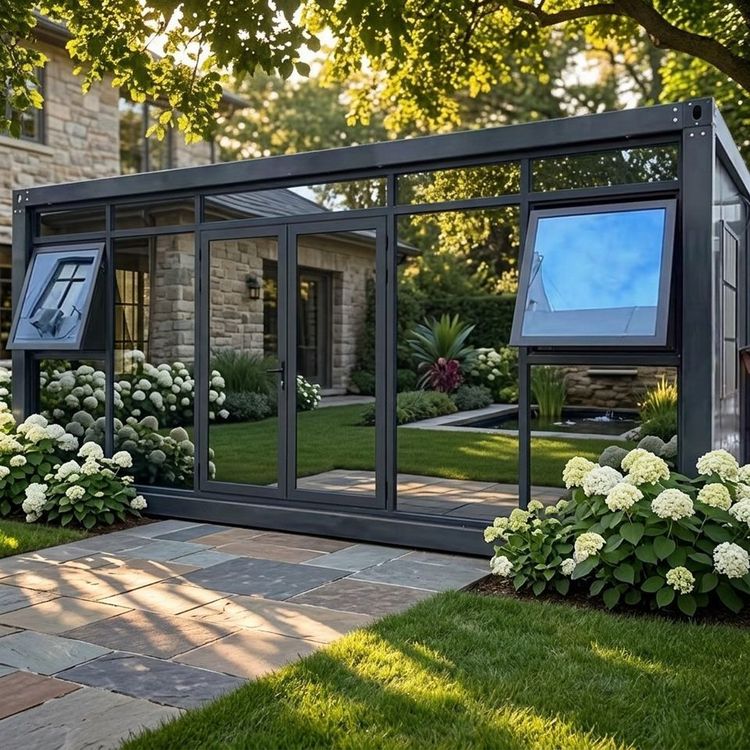
- Prefabricated Container Houses: Standardized production in factories, suitable for rapid deployment in temporary or long-term living scenarios.
- Micro Container Houses: Small in size (usually ≤160 square feet), suitable for vacation homes or auxiliary buildings.
- Multi-story/Large-space Residences: Extended by connecting multiple containers, enabling duplex structures or open layouts to meet family living needs.
Structure and Materials
- Dimensions and Area: Standard container dimensions are 20 feet × 8 feet (approximately 160 square feet) or 40 feet × 8 feet (approximately 320 square feet), with the area increased through combinations.
- Material Characteristics: The main body is made of weathering steel, with wind resistance up to 220-280 km/h, earthquake resistance greater than grade 8, and excellent rust prevention, especially suitable for coastal or high-humidity areas.
- Walls and Roof: Commonly use 50mm EPS sandwich panels, combining thermal insulation with structural strength, with an overall lifespan of 30-40 years.
Advantages
- Modular Design: Supports vertical stacking or horizontal splicing, allowing flexible expansion of living space.
- Rapid Assembly: Two skilled workers can complete the installation of a standard unit within 3 hours, significantly shortening the construction period.
- Environmental Protection and Cost: Compared to traditional buildings, container houses have a high material recycling rate and lower basic costs, but customization may increase expenses.
- Aesthetic Value: The industrial style contrasts with the natural environment, suitable for users pursuing unique designs.
Considerations
- Hidden Costs: Customization, long-distance transportation, and professional assembly may drive up total expenses, requiring advance budgeting.
- Ecological Controversy: Some refurbished containers may involve high-energy consumption processing or non-environmentally friendly materials, necessitating the selection of compliant suppliers.
- Regional Adaptability: For example, the northeastern United States prefers rectangular containers to adapt to the climate, requiring type selection based on usage scenarios.
Buying Recommendations
- Supplier Qualifications: Prioritize manufacturers with CE and ISO9001 certifications to ensure materials and craftsmanship meet international standards.
- After-sales Service: Confirm the availability of online technical support, warranty periods, and maintenance response speeds.
- Customization Options: Choose manufacturers that can adjust layouts, window and door positions, or interior decorations according to needs, enhancing living comfort.
Related