
Use of Mobile Toilets in Hotels
Using mobile toilets in hotels is a flexible and practical solution, especially suitable for renovation or supplementary needs in specific scenarios.
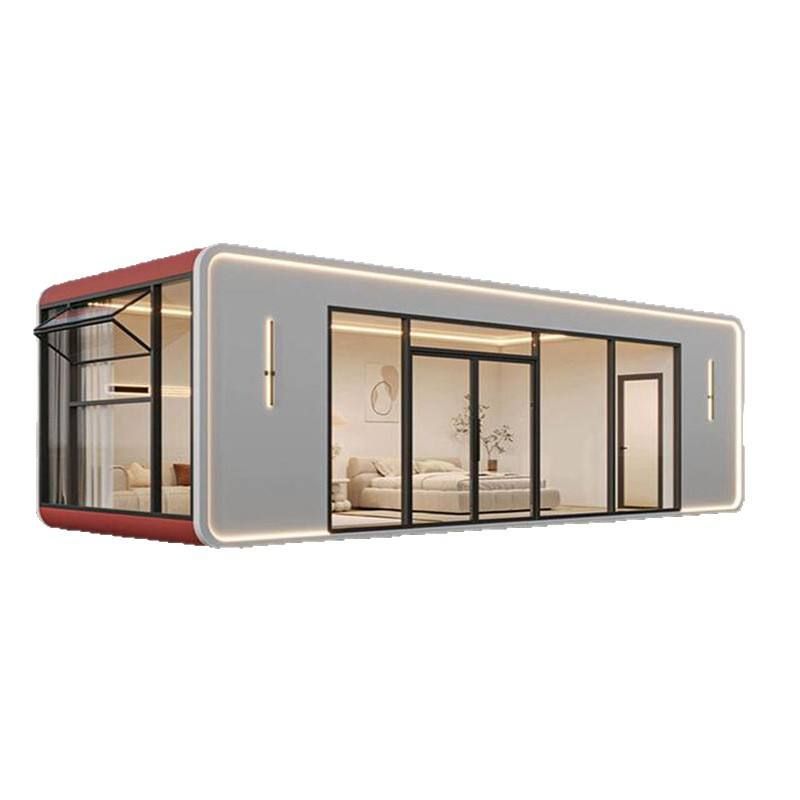
Modular Design and Installation Advantages
Mobile toilets are constructed using a modular approach. Facilities such as shower areas, sinks, and toilets undergo pipeline connections and waterproofing treatments in the factory before being transported to the site as finished products for installation. This design relies on lightweight, high-strength composite materials and is equipped with water-saving flushing systems, ventilation devices, and non-slip floors. It reduces reliance on the building's original structure and can adapt to narrow spaces or irregular room shapes through flexible adjustments in size and layout. For example, when old hotels face architectural constraints that prevent the expansion of bathrooms, mobile designs can achieve functional upgrades by optimizing layouts, such as adding barrier-free facilities or dry-wet separation areas. Additionally, the modular structure facilitates maintenance and component replacement. If pipeline issues arise, specific modules can be addressed directly, avoiding extensive wall demolition for repairs and significantly reducing the time and economic costs of hotel renovations.
User Experience and Detail Optimization
The comfort of mobile toilets depends on meticulous planning. The ventilation system requires efficient moisture removal capabilities, commonly achieved through silent fresh air devices联动 (linked) with humidity-sensing switches; storage space is realized through built-in niches or mirror cabinets, maintaining visual tidiness and preventing bumps; in terms of safety, the floor is often paved with non-slip glazed tiles with concave-convex textures, and the shower area is supplemented with sit-down bathing platforms and handrails. Despite being modularly produced, their interior decor can still match the hotel's style, for example, creating a warm ambiance through stone-textured wall panels or wooden elements, thereby enhancing user satisfaction.
Technological Innovation and Environmental Performance
The water supply and drainage systems of mobile toilets use flexible pipeline connections, allowing for a certain degree of displacement and adjustment. Water supply is connected to the hotel's main pipeline through quick-connect interfaces, and sewage is channeled into a centralized treatment system through sealed pipelines. Most products integrate low-flow aerators and water circulation devices, saving about 30% more water than traditional bathrooms. Some solutions also incorporate heat recovery modules, using the residual heat from shower wastewater to preheat cold water, further reducing energy consumption. The use of lightweight materials reduces carbon emissions during transportation, and standardized production effectively controls raw material waste.
Application Scenarios and Limitations
Currently, mobile toilets are not only used for hotel room renovations but are also common in vacation homes, temporary reception centers, and other scenarios. For example, boutique hotels renovated from historical buildings, which face preservation requirements that prevent the expansion of traditional bathrooms, can benefit from the flexible solutions provided by mobile designs. However, it should be noted that mobile toilets are more often used as supplementary or renovation solutions in specific scenarios rather than as standard configurations in budget hotels. According to statistics on budget hotels in 2026, independent bathrooms have achieved a coverage rate of 99.3% in hotels with a listed price of ≤300 yuan nationwide. Mainstream chain brands such as Hanting, Home Inn, and Jinjiang Inn all have 100% standard independent bathrooms, and some new stores have even implemented dry-wet separation.



