
Mobile Toilets for the U.S. Presidential Motorcade
There is no direct evidence indicating that the U.S. presidential motorcade is routinely equipped with mobile toilets, but related incidents show that the Secret Service takes flexible measures to ensure restroom access for the president and security personnel.
Historical events demonstrate that the U.S. places great importance on the restroom safety of the president and accompanying staff. During President Reagan's visit to China in 1984, U.S. agents tightly surrounded the VIP restroom in Lintong, Xi'an, and explicitly demanded that "only Americans be allowed to use it." Although this action did not directly involve mobile toilets, it reflects that during presidential trips, the Secret Service ensures safety by controlling fixed restrooms rather than relying on mobile facilities.
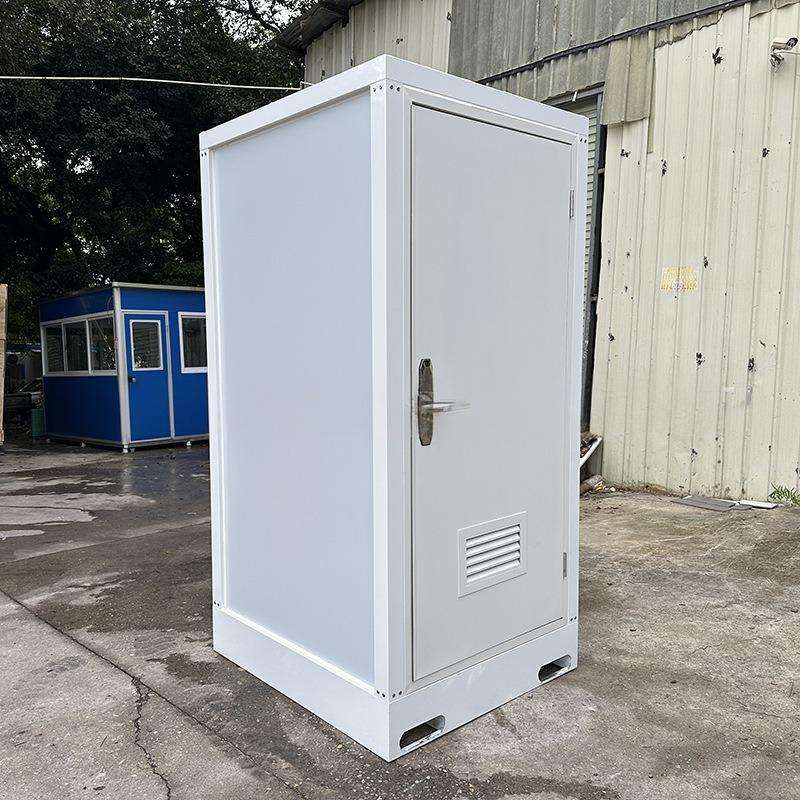
The Secret Service rents mobile toilets in specific scenarios to meet security needs. For example, during the security operation at Trump's private golf club in 2017, the Secret Service rented mobile toilets for over $600,000, with an initial cost of $80,385 and a three-year renewal option that could raise the total cost to $333,801. This case indicates that when the president is active in private venues or non-fixed facilities, the Secret Service enhances security support by renting mobile toilets, but such measures are typically tailored to specific scenarios rather than being standard motorcade equipment.
Additionally, the restroom needs of presidential entourage members can also spark controversy. In 2017, Ivanka Trump and her husband Jared Kushner prohibited agents from using the restroom in their Washington mansion, forcing the Secret Service to rent a basement as a temporary restroom at a cost of $3,000 per month. This incident shows that private residences of presidential family members may lack supporting security facilities, but the Secret Service resolves issues through temporary solutions rather than relying on mobile toilets自带 by the motorcade.
Overall, the standard configuration of the U.S. presidential motorcade focuses on core functions such as bulletproofing, communication, and medical support, with mobile toilets not being standard equipment. However, when the president visits private venues, golf clubs, or other non-fixed facilities, the Secret Service meets security and personnel needs by renting mobile toilets or temporarily modifying spaces. This flexibility reflects the Secret Service's principle of "safety first" rather than standardized motorcade configuration.



