US Grand Slam Mobile Toilets
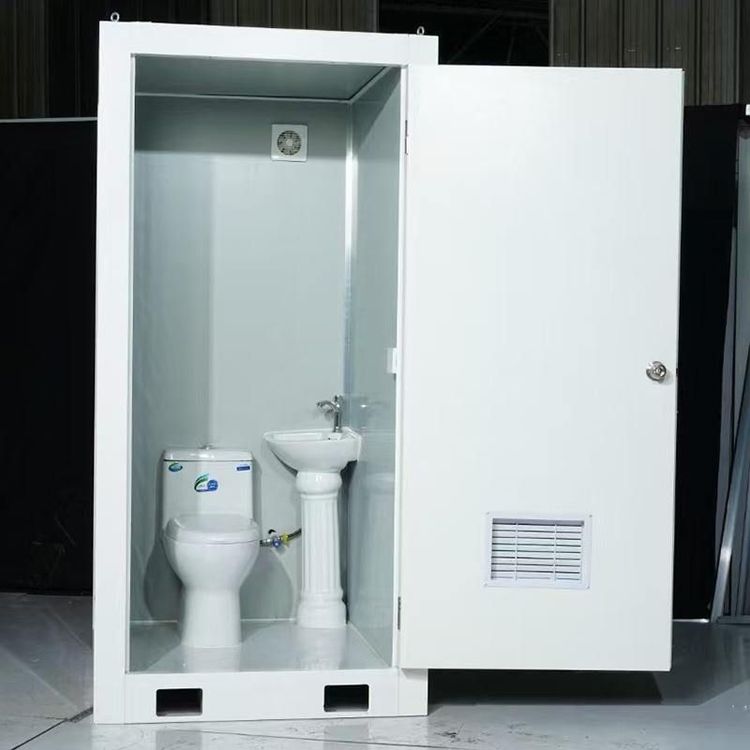
The mobile toilet facilities at the US Grand Slam tournaments are significantly inadequate, with only two temporary car toilets set up outside the venue for shared use by players and spectators, and each toilet vehicle having only one stall for men and one for women, causing numerous inconveniences.

Inadequate Facility Configuration
The mobile toilets provided at the US Grand Slam tournaments are extremely limited in terms of quantity and specifications. With only two temporary car toilets set up outside the venue, it is difficult to meet the needs of a large number of players and spectators. Moreover, each toilet vehicle has only one stall for men and one for women, making this configuration inadequate when facing high-traffic events. Whether it's players during breaks or spectators during the match, they may face long queues when needing to use the toilet.
Poor User Experience
For players, needing to use the toilet during a match requires running outside the venue to the mobile toilets, a process that not only wastes time but may also affect their performance. In high-intensity matches, every second counts, and running out of the venue to use the toilet can disrupt a player's rhythm and even lead to missing crucial scoring opportunities. For spectators, needing to leave the venue to use the toilet during an exciting match also affects the continuity and enjoyment of watching. Furthermore, due to the limited number of mobile toilets, the waiting time in queues may cause spectators to miss exciting moments of the match.
Widespread Dissatisfaction
This unreasonable configuration of mobile toilets has sparked widespread dissatisfaction among netizens and players. Netizens believe that the event organizers have not given sufficient consideration to the planning of toilet facilities and have not fully taken into account the actual needs of players and spectators. Players have also expressed their dissatisfaction with these facilities, stating that they have caused certain disturbances to their performance in matches. This also reflects loopholes in the infrastructure construction and planning by the event organizers, which need further improvement and refinement to enhance the overall service level and quality of the tournaments.