Materials for Urban Portable Toilets
The materials used in urban portable toilets mainly include those for the overall structure, exterior walls, floors, and fecal sewage storage tanks, as detailed below:

For the overall structure, urban portable toilets often employ galvanized steel structures or welded national standard steel. Galvanized steel structures offer excellent rust resistance, enabling them to withstand external environmental erosion and ensuring the stability and durability of the toilet's overall structure. National standard steel, on the other hand, boasts high strength and toughness, capable of bearing certain external forces and ensuring the safety of the toilet during use.
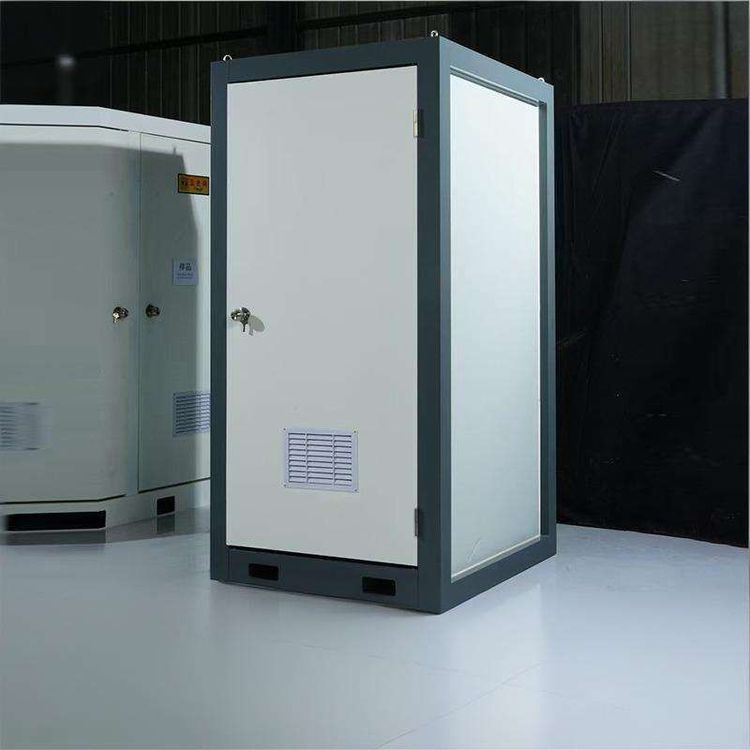
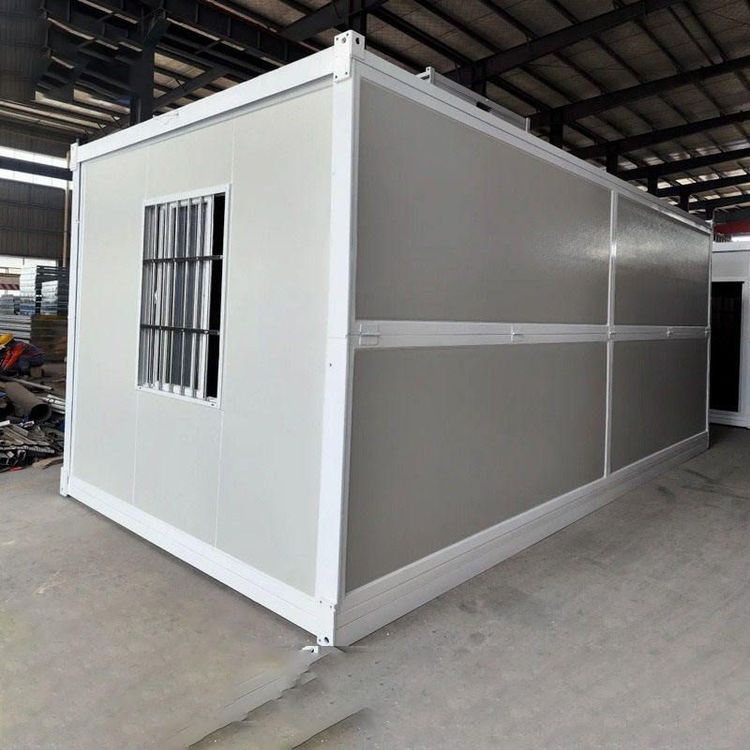
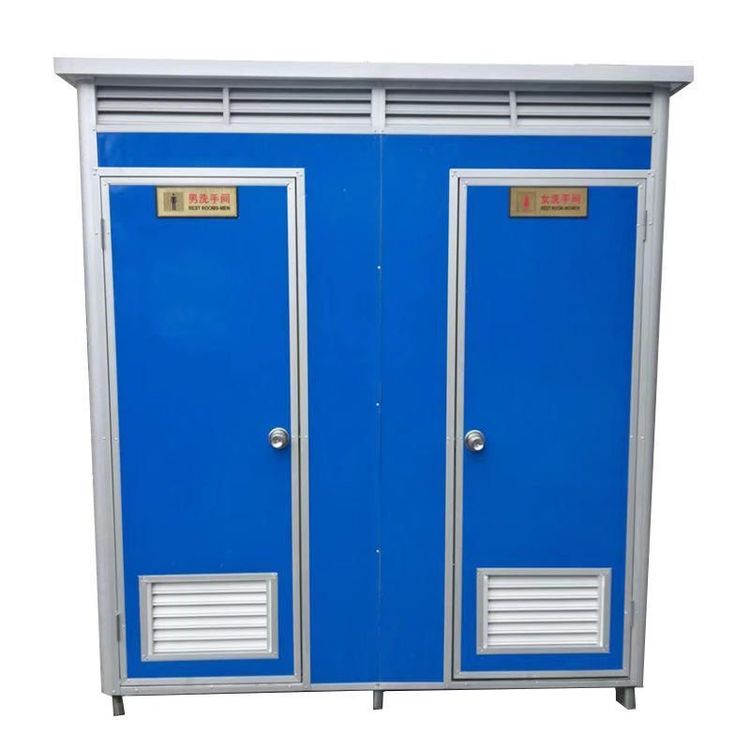
The selection of exterior wall materials is diverse and can be chosen based on customer requirements or the surrounding environment of the usage location. Common exterior wall materials include color-coated steel sheets, metal carved panels, preservative-treated wood, stainless steel sheets, and aluminum-plastic composite panels. Color-coated steel sheets are lightweight, strong, and easy to install, while also providing some heat and sound insulation. Metal carved panels are aesthetically pleasing with unique decorative effects and are highly corrosion-resistant and weather-resistant. Preservative-treated wood, after special treatment, is resistant to decay, insects, and moisture, giving a natural and warm feel. Stainless steel sheets are corrosion-resistant, easy to clean, and have a long service life, suitable for places with high hygiene requirements. Aluminum-plastic composite panels are lightweight, soundproof, fireproof, and moisture-resistant, with a smooth surface and rich colors. All these exterior wall materials possess corrosion and fire resistance properties, with a service life of over 20 years.
For the floor, some portable toilets use reinforced concrete as the base, providing a solid foundation that ensures the stability and load-bearing capacity of the floor. Additionally, anti-slip flooring and other facilities are installed internally to enhance user safety and prevent accidents such as slipping.
Furthermore, materials such as fiberglass-reinforced plastic (FRP) and polyethylene may be used for the fecal sewage storage tanks and other parts of portable toilets. FRP is lightweight, strong, and corrosion-resistant, effectively storing fecal sewage without leakage. Polyethylene has good chemical stability and weather resistance, adapting to various environmental conditions. In the past, wood was also used for manufacturing, but with technological advancements and increased environmental requirements, wood has gradually been replaced by other superior materials.