
Urban Mobile Toilet Images
Currently, we are unable to directly provide images of urban mobile toilets, but we can offer a detailed introduction to their appearance, types, and design features.
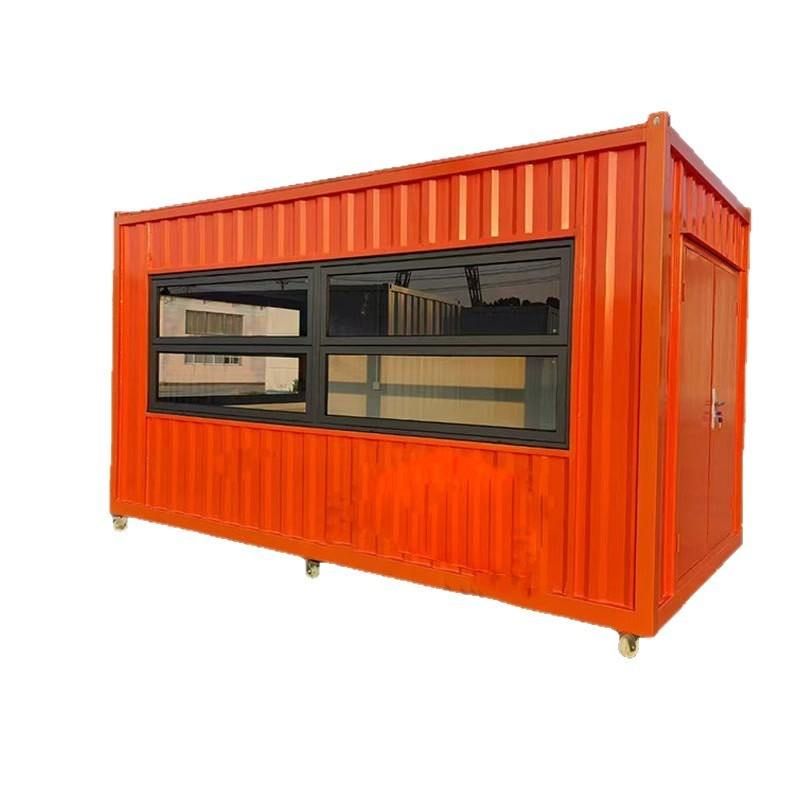
Urban mobile toilets are sanitary facilities designed to meet temporary or mobile restroom needs in public places. Their appearance and design vary depending on the type. Common types of urban mobile toilets include single-unit, connected, and trailer-mounted models. Single-unit mobile toilets are typically small and compact, resembling a miniature house. They are usually constructed using lightweight materials such as metal frames and plastic panels, with flat or sloped roofs. Their colors are often simple, such as white, gray, or blue, facilitating flexible placement in urban streets, parks, and other locations. Connected mobile toilets consist of multiple single-unit toilets combined to form a relatively large integrated structure, resembling a small architectural complex. They are suitable for areas with high foot traffic, such as large event venues or tourist attractions. Trailer-mounted mobile toilets are installed on movable trailers, resembling small trailer compartments. They can be quickly relocated to different locations by vehicle towing, offering high mobility.
In terms of design features, urban mobile toilets emphasize practicality and environmental friendliness. They are typically equipped with basic sanitary facilities such as toilets, sinks, and trash bins. Some high-end models may also include air conditioning, ventilation systems, and lighting to enhance user comfort. Additionally, mobile toilets often incorporate water-saving technologies, such as sensor-activated faucets and water-efficient toilets, to reduce water consumption. Some are also equipped with sewage treatment systems that can preliminarily treat wastewater before discharge, minimizing environmental impact.
The placement of urban mobile toilets is also carefully considered. They are usually located in areas with high foot traffic and easy management, such as commercial streets, squares, and transportation hubs, to ensure they can effectively meet the restroom needs of citizens and tourists.



