Urban Mobile Toilet
Urban mobile toilets are facilities that can be moved as a whole and placed at fixed or temporary locations in urban areas to provide toilet services for the public and customers.

Suitable Locations
Urban mobile toilets are suitable for a variety of locations. For instance, at train stations and docks, where there is a high volume of passenger traffic and frequent movement, mobile toilets can promptly meet the toilet needs of travelers. At tourist attractions, during the peak tourist season when the number of visitors surges, mobile toilets can be flexibly arranged to alleviate the pressure on the scenic area's toilets. In newly built residential communities, during the construction process when supporting facilities are not yet complete, mobile toilets can provide convenience for construction workers and residents. At large construction sites, where workers are concentrated, mobile toilets can ensure the basic living needs of the workers. In squares and densely populated public places, they are convenient for daily use by citizens. On bustling commercial streets, they meet the toilet needs of shoppers.
Composition Structure
Generally, they consist of a fecal sewage storage tank (or fecal sewage treatment device), floor slabs, sanitary ware, walls, washing equipment, water tanks, roofs, and mobile devices. Different components play different roles, jointly ensuring the normal operation of the mobile toilet. For example, the fecal sewage storage tank is used to store fecal sewage, the sanitary ware provides basic toilet tools, and the mobile device enables the toilet to be moved as a whole.
Classification Methods
According to the structural form, they can be divided into single-structure mobile toilets and composite-structure mobile toilets. According to the mobile method, they can be divided into hoisting and handling mobile toilets, powered and towed mobile toilets. According to the sewage treatment method, they can be divided into water-flush and non-water-flush suction mobile toilets, circulating water-flush mobile toilets, and dry-packing mobile toilets. Different types of mobile toilets have differences in usage scenarios and functional characteristics, and can be selected according to actual needs.
Appearance and Configuration
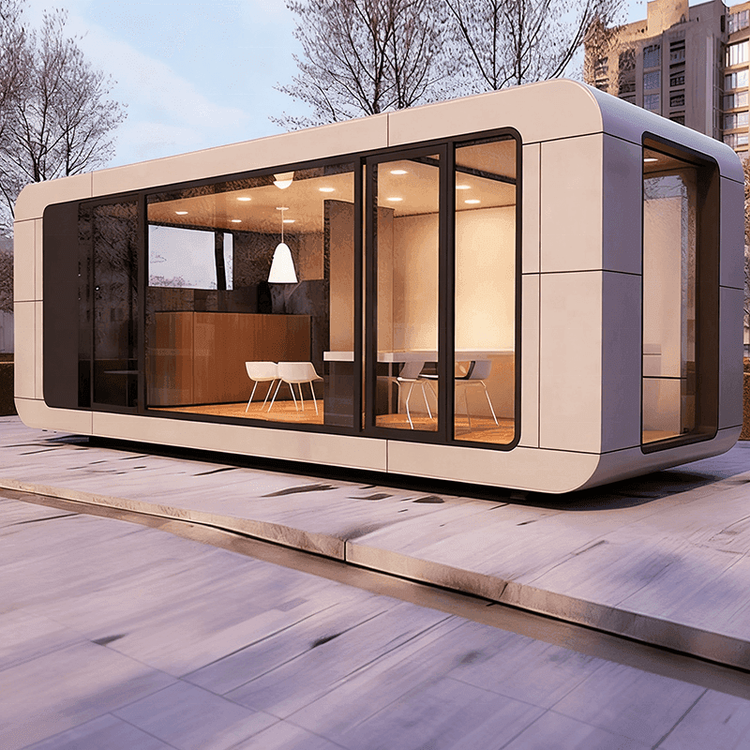
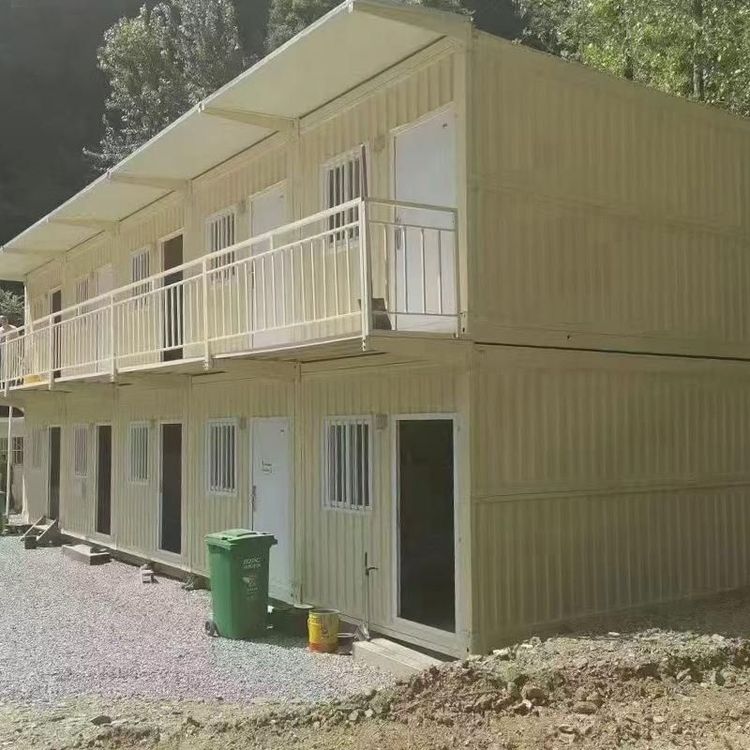
Regular mobile toilets have a gray and white color scheme, with a simple interior but complete configuration. Customized models have separate male and female areas, with a solid and durable overall steel structure frame welded together. The gray and white metal carved panels are heat-insulating, corrosion-resistant. There are light and ventilation sliding windows at the front, complete male and female signs, and gray aluminum alloy exterior doors, forming independent rooms. In addition, there are also mobile toilets with a 3 + 2 layout, including a management room and independent squatting compartments.
Brands and Lifespan
There are numerous brands of urban mobile toilets, such as Yipinxiang, Henglijie, and Taida. The lifespan varies, with some lasting 5 years and others over 20 years, depending on factors such as the material of the toilet, the frequency of use, and maintenance and upkeep.